The Advantages of Metal Roofing
Metal roofing has gained significant popularity among homeowners looking for durable and effective roofing solutions. Unlike traditional materials, metal roofing offers several advantages that make it a top choice for various climates and architectural styles. This article will delve into the numerous benefits, cost factors, types of materials, installation processes, and frequently asked questions surrounding metal roofing.
Durability and Longevity
One of the standout features of metal roofing is its incredible durability. Metal roofs can withstand severe weather conditions, including high winds, heavy snow, and hail. Unlike asphalt shingles, which may require replacement every 15-20 years, metal roofing can last 50 years or more when properly installed and maintained. Materials such as galvanized steel and aluminum are resistant to rust, corrosion, and fading, ensuring longevity and protection for your home.
Energy Efficiency
Energy efficiency is another compelling reason to consider metal roofing. Metal reflects solar radiant heat, reducing cooling costs by 10-25% during the summer months. This quality is crucial for homeowners in warmer areas, where energy expenses can significantly impact the household budget. Additionally, some metal roofing systems can accommodate insulation, further enhancing energy efficiency.
Environmental Benefits
For eco-conscious homeowners, metal roofing presents notable environmental advantages. Many metal roofs are made from recycled materials and are fully recyclable at the end of their lifespan. This makes metal roofing a sustainable option compared to traditional materials that often end up in landfills. Furthermore, the energy efficiency of metal roofs reduces the amount of energy required for heating and cooling, contributing to lower carbon footprints.
Cost Factors of Metal Roofing
While the initial investment in metal roofing may be higher than that of asphalt shingles, understanding the long-term financial implications can help homeowners make informed decisions.
Initial Investment
The upfront cost of metal roofing typically ranges from $4 to $30 per square foot, depending on the type and quality of materials chosen. Factors influencing cost include material thickness, design complexity, and regional pricing variations. Despite the higher initial investment, the longevity and low maintenance requirements can offset these costs over time.
Long-Term Savings
Investing in metal roofing can lead to significant long-term savings. With extended lifespans and less need for repairs or replacements, homeowners save on maintenance costs. Additionally, energy efficiency translates into substantial savings on utility bills. Homeowners may also benefit from insurance discounts, as many insurers recognize metal roofing's resilience.
Comparing to Traditional Roofing
When contrasted with traditional roofing materials, metal roofing often offers superior value. Although asphalt shingles are generally cheaper, they require more frequent replacement and repairs. In contrast, metal roofs may have higher initial costs but prove to be more economical over decades, primarily due to their durability and minimal maintenance requirements.
Types of Metal Roofing Materials
The market offers various options for metal roofing materials, each with distinct properties and advantages. Understanding these options can help homeowners select the most suitable type for their needs.
Steel and Aluminum Options
Steel is the most common metal used in roofing, appreciated for its strength and cost-effectiveness. Aluminum, being lighter and more resistant to rust, is often chosen for coastal regions. Both offer excellent durability but vary in terms of cost, weight, and performance characteristics.
Copper and Zinc Roofing
Copper roofing provides a unique aesthetic and unmatched longevity, often lasting over 100 years. Its resistance to corrosion makes it an excellent investment for upscale homes. Zinc roofing is similar but typically features lower costs and easier maintenance. Both materials develop a patina over time, adding character and protection.
Choosing the Right Material
Selecting the right material depends on several factors, including budget, climate, and desired aesthetic. Homeowners should consider local weather extremes, architectural style, and personal preference when making their decision. Consulting with a roofing expert can provide insights tailored to individual needs.
Installation Process of Metal Roofing
Effective installation is crucial for realizing the full benefits of metal roofing. Proper planning and execution can enhance performance and extend the lifespan of the roof.
Preparation and Planning
Before beginning installation, thorough preparation is essential. This includes assessing the current roof structure, ensuring it can support the new material, and scheduling appropriate weather conditions for installation. Additionally, selecting the right underlayment and flashing can prevent leaks and enhance energy efficiency.
During Installation
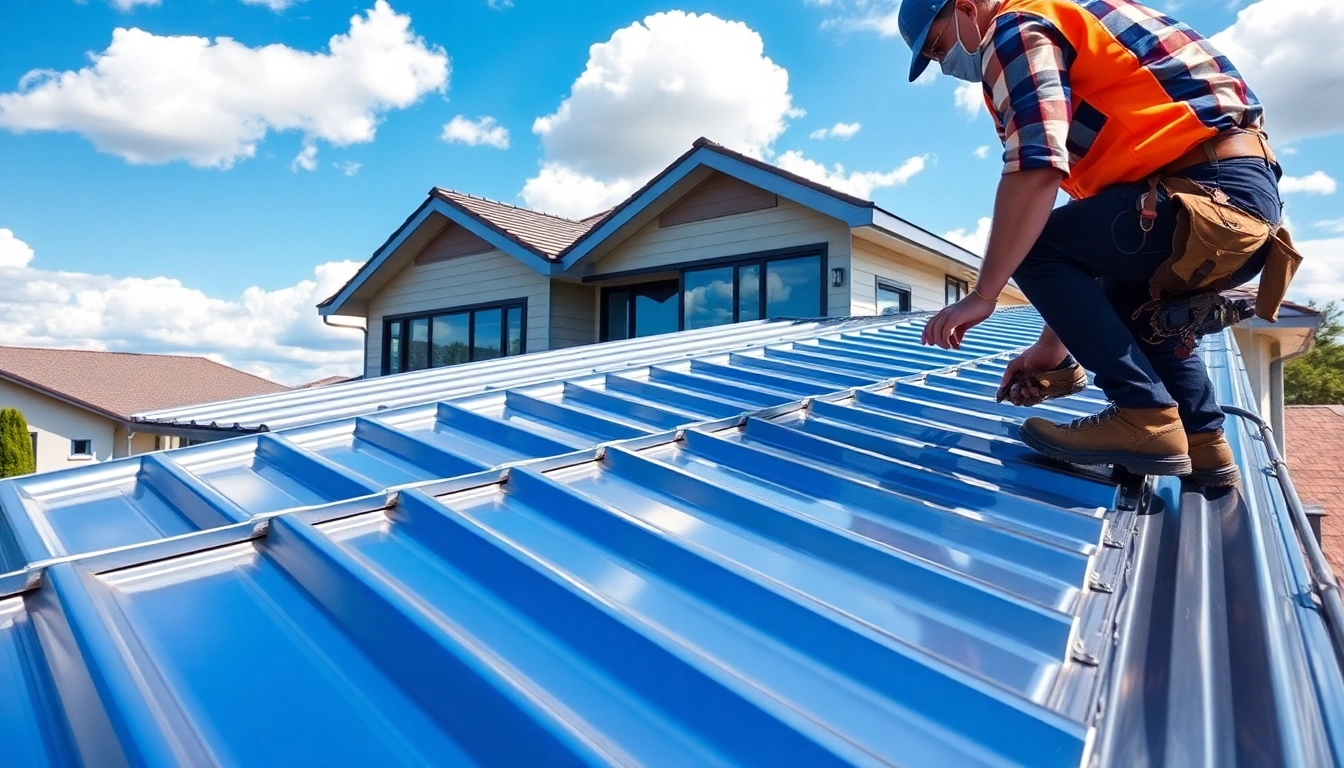
Metal roofing installation typically involves laying down panels, securing them with screws, and incorporating proper ventilation systems. It's important to follow manufacturer instructions and use quality tools to ensure a secure and lasting installation. Tracking warranty conditions can also help maintain protections during this phase.
Post-Installation Care
After installation, regular inspections and maintenance can help identify potential issues before they escalate. Cleaning debris and checking for rust or deterioration can prolong roof life. Homeowners should also be mindful of seasonal changes that may affect the roof's integrity.
FAQs about Metal Roofing
What is metal roofing made of?
Metal roofing is typically made from materials like steel, aluminum, copper, or zinc, chosen for their durability and resistance to weather elements.
Is metal roofing noisy during rain?
Metal roofing can be noisy during heavy rain, but proper insulation and underlayment can significantly reduce sound levels, making them quieter than expected.
Can I install metal roofing over existing shingles?
Yes, metal roofing can be installed over existing shingles, which can save on removal costs and enhance insulation. However, a proper assessment is necessary.
What colors are available for metal roofing?
Metal roofing comes in a wide array of colors, allowing homeowners to choose a style that complements their home’s aesthetic. Popular choices include classic blues, reds, and greens.
How does weather affect metal roofing durability?
Metal roofs are designed to withstand various weather conditions, including extreme heat and cold, without compromising durability. Proper maintenance can further enhance resilience.