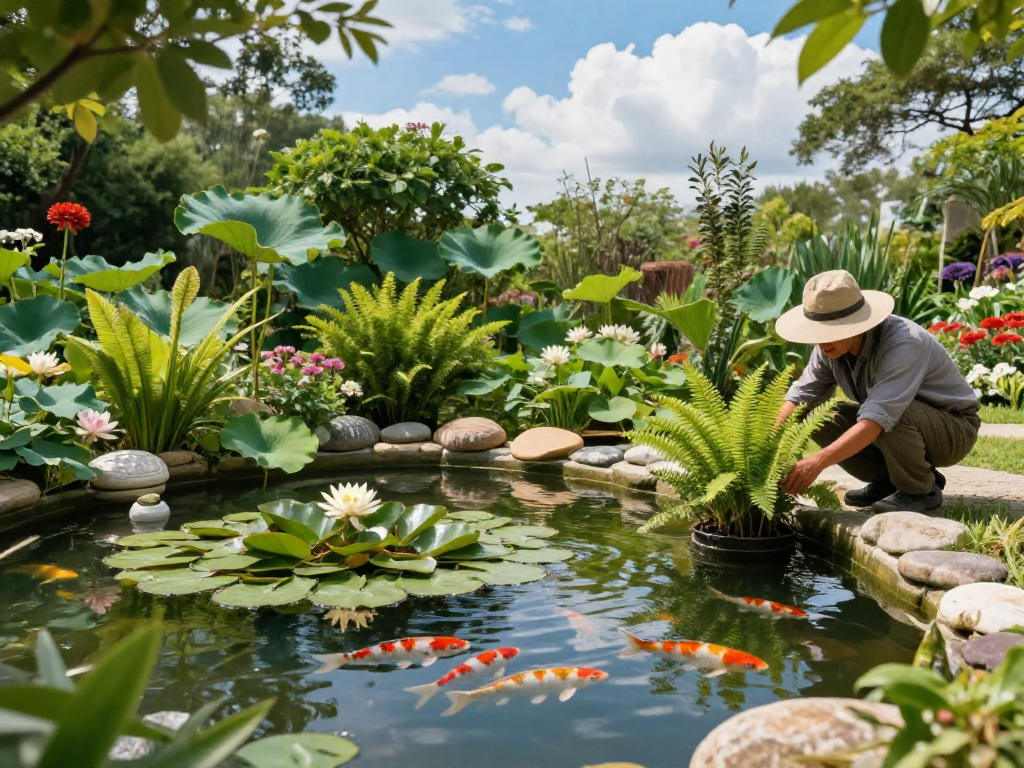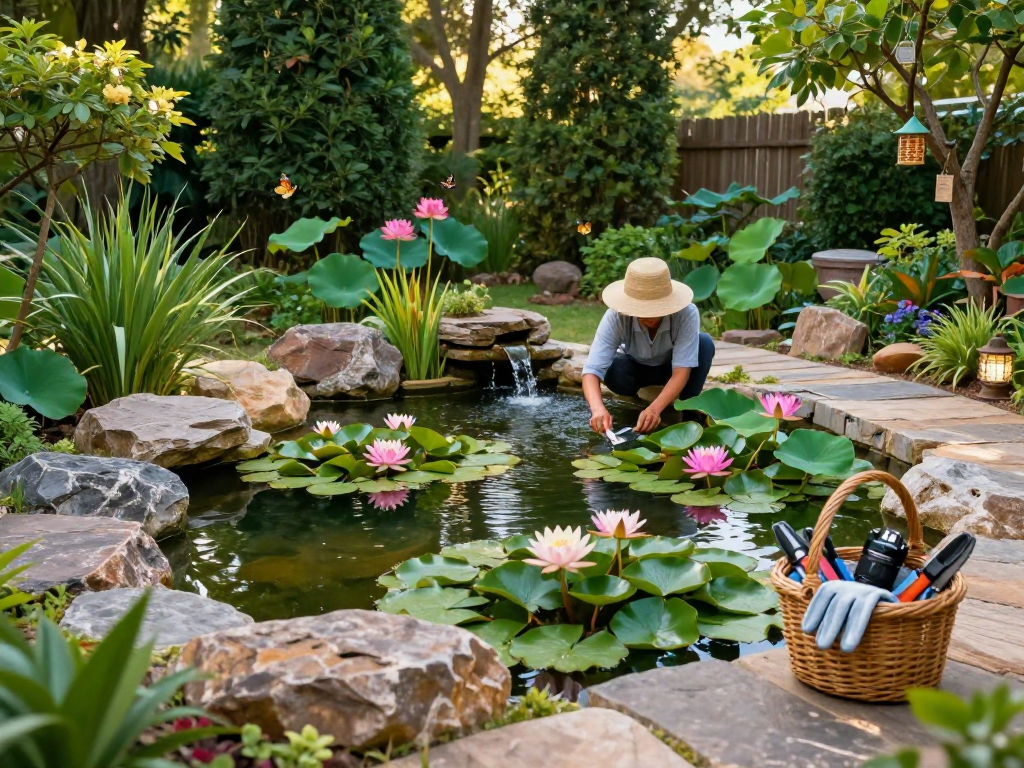
Understanding the Importance of Pond Plants
Pond plants are not just decorative additions to your backyard oasis; they serve crucial roles in maintaining the ecological balance of your water feature. By understanding their significance, you can create a thriving habitat for both aquatic life and plant species. When exploring options, Pond Plants can provide comprehensive insights into the types and benefits associated with these essential life forms.
What are Pond Plants and Their Benefits?
Pond plants, as the name suggests, are flora that thrive in aquatic environments, including marshes, bogs, and, of course, ponds. They can be broadly classified into various categories such as submerged, emergent, and floating plants. Each type contributes positively to the pond ecosystem in several ways:
- Oxygen Production: Aquatic plants like hornwort and elodea produce oxygen through photosynthesis, vital for the survival of fish and other aquatic organisms.
- Water Filtration: Pond plants help filter pollutants and excess nutrients from the water, enhancing clarity and overall water quality.
- Habitat and Shelter: They provide shelter and breeding grounds for fish, amphibians, and insects, fostering a diverse ecosystem.
- Erosion Control: Root systems of plants like cattails help stabilize pond edges and prevent soil erosion.
Common Types of Pond Plants for Beginners
If you're new to pond gardening, starting with a few common types of pond plants can help you establish a vibrant ecosystem. Some user-friendly options include:
- Lily Pads: Known for their beautiful blooms and floating leaves, they provide shade for fish.
- Cattails: These hardy plants are excellent for borders and help with erosion control.
- Water Hyacinth: A floating plant that absorbs excess nutrients, keeping the water clean.
- Hornwort: This submerged plant is easy to maintain and promotes oxygenation.
The Role of Pond Plants in Ecosystem Health
The health of a pond ecosystem largely relies on the presence of diverse pond plants. They not only support aquatic life but also contribute to water quality and clarity. The following points illustrate their critical functions:
- Pond plants absorb carbon dioxide, producing oxygen, which is essential for fish survival.
- They compete with algae for nutrients, helping to reduce algae blooms that can harm aquatic life.
- By providing habitat, pond plants enhance biodiversity, ensuring a robust ecosystem.
Choosing the Right Pond Plants for Your Space
Selecting the right pond plants is crucial for creating an effective and beautiful water garden. Understanding your space and the environmental conditions can help you make informed decisions.
Factors to Consider When Selecting Pond Plants
When choosing pond plants, consider the following factors:
- Climate: Different plants have varying hardiness zones. Ensure the plants you select can thrive in your local climate.
- Size of the Pond: Some plants can become invasive, while others may remain compact. Balance your choices based on the size of your pond.
- Aesthetic Preferences: Consider the visual appeal of the plants you choose—form and color can greatly enhance your pond's beauty.
Sunlight and Water Conditions for Optimal Growth
Pond plants have specific requirements regarding sunlight and water quality:
- Most aquatic plants prefer full sun, requiring at least 6-8 hours of sunlight daily for optimal growth.
- Water temperature and chemistry are also important; ensure that the pH and nutrient levels are suitable for the plants you select.
Designing for Aesthetic Appeal and Functionality
Combining beauty with functionality is key in designing your pond plant layout. Here are some design tips:
- Create layers with tall plants like cattails and shorter ones like sweet flag to add depth and dimension.
- Incorporate floating plants for visual interest and to provide shade, which can help control algae growth.
- Consider using hardscaping elements like rocks or ornaments to enhance the overall design of your pond.
Caring for Your Pond Plants
After establishing your pond plants, proper care is essential for their long-term health and vibrancy.
Essential Maintenance Practices for Healthy Plants
Regular maintenance can ensure that your pond plants remain healthy. Here are some key practices:
- Pruning: Regularly trim dead or overgrown foliage to promote healthy growth.
- Fertilizing: Use aquatic fertilizers to support nutrient needs, especially in spring and summer.
- Water Level Monitoring: Ensure water levels are adequate, especially during dry spells.
Handling Pests and Common Pond Plant Diseases
Just like terrestrial plants, pond plants can be susceptible to pests and diseases. Here are some common issues and their solutions:
- Green Aphids: These tiny insects can suck the sap from plants. Remove them manually or use insecticidal soap.
- Fungal Issues: Ensure good water circulation and avoid overcrowding to prevent fungal infections.
- Algae Growth: If you notice excessive algae, consider increasing plant coverage to outcompete algae for nutrients.
Seasonal Care Tips for Year-Round Vibrancy
Different seasons require different care approaches:
- Spring: Fertilize and divide overgrown plants. Make sure to remove any dead plant material from winter.
- Summer: Regularly monitor and adjust water levels. Control algae and pests as necessary.
- Fall: Prepare for winter by cutting back plants and removing debris to prevent decay.
- Winter: In colder climates, consider moving potted plants indoors or ensuring your pond does not freeze completely.
Creating a Balanced Ecosystem with Pond Plants
A balanced ecosystem is vital for sustaining life in your pond. Understanding the interconnections between plants and other pond inhabitants can lead to healthier outcomes.
The Interdependency Between Fish and Pond Plants
The relationship between fish and pond plants is symbiotic. Fish rely on plants for oxygen and shelter, while plants benefit from nutrients found in fish waste. Here are a few considerations:
- Introduce fish gradually and ensure you have an adequate number of plants to support them.
- Monitor fish health and behavior; lethargic fish may indicate poor water quality.
How Pond Plants Help Control Water Quality
Pond plants play a critical role in maintaining water quality. They naturally filter toxins and excess nutrients, helping to:
- Reduce algae blooms.
- Maintain clear water, promoting a healthy ecosystem.
- Stabilize pH levels.
Fostering Biodiversity in Your Garden Pond
A diverse range of pond plants enhances the habitat for various species, which is crucial for ecological stability. Consider these points:
- Incorporate a variety of plant types to attract different species of wildlife, including birds, insects, and amphibians.
- Creating microhabitats with different plant species encourages a rich biodiversity.
Future Trends in Pond Plant Cultivation
The world of pond gardening is ever-evolving, with new trends emerging that cater to environmental needs and aesthetic desires.
Innovative Plant Varieties to Consider for 2026
As we look toward the future, certain plant varieties are gaining popularity:
- Native Plants: Increasingly, pond gardeners are choosing native species that require less maintenance and support local wildlife.
- Hybrid Varieties: New hybrids may offer improved resilience against pests and diseases while still providing aesthetic value.
Sustainable Practices for Eco-Friendly Pond Gardens
Sustainability remains at the forefront of garden design. Practices include:
- Utilizing rainwater for irrigation.
- Choosing organically grown plants and fertilizers to minimize chemical runoff.
- Creating a balanced ecosystem that reduces the need for artificial interventions.
Emerging Technologies in Water Gardening
Innovations such as smart irrigation systems and sensor technology can help monitor water quality and conditions, making pond maintenance easier and more efficient. These technologies allow gardeners to:
- Track water temperatures and pH levels.
- Optimize nutrient delivery based on plant needs.
What are the best pond plants for beginners?
For those starting their journey, easy-to-grow plants such as water lilies, duckweed, and anacharis are highly recommended. These varieties are not only forgiving to novices but also contribute positively to the pond ecosystem.
How do pond plants contribute to water quality?
Pond plants contribute to water quality by absorbing nutrients and pollutants, producing oxygen, and creating habitats that support a balanced aquatic environment. This natural filtration helps to maintain clear and healthy water.
What maintenance do pond plants require year-round?
Pond plants require year-round maintenance including seasonal pruning, monitoring water levels, fertilizing, and pest management to ensure their health and beauty throughout the year.
Can I mix aquatic and terrestrial plants in my pond?
Yes, mixing aquatic and terrestrial plants can create a more diverse ecosystem, offering visual appeal and benefits to the pond's health. However, it is important to choose species that complement each other and thrive in the same environmental conditions.
What are the common pests that affect pond plants?
Common pests include aphids, snails, and various larvae. Integrated pest management strategies can help control these issues without harming the pond ecosystem.