Introduction to Standing Seam Metal Roof
The standing seam metal roof has increasingly gained popularity in both residential and commercial applications, providing an elegant yet functional roofing solution. This article delves into its defining features, benefits, installation processes, maintenance considerations, and cost analysis, ensuring you have comprehensive insights into this innovative roofing option.
What is a Standing Seam Metal Roof?
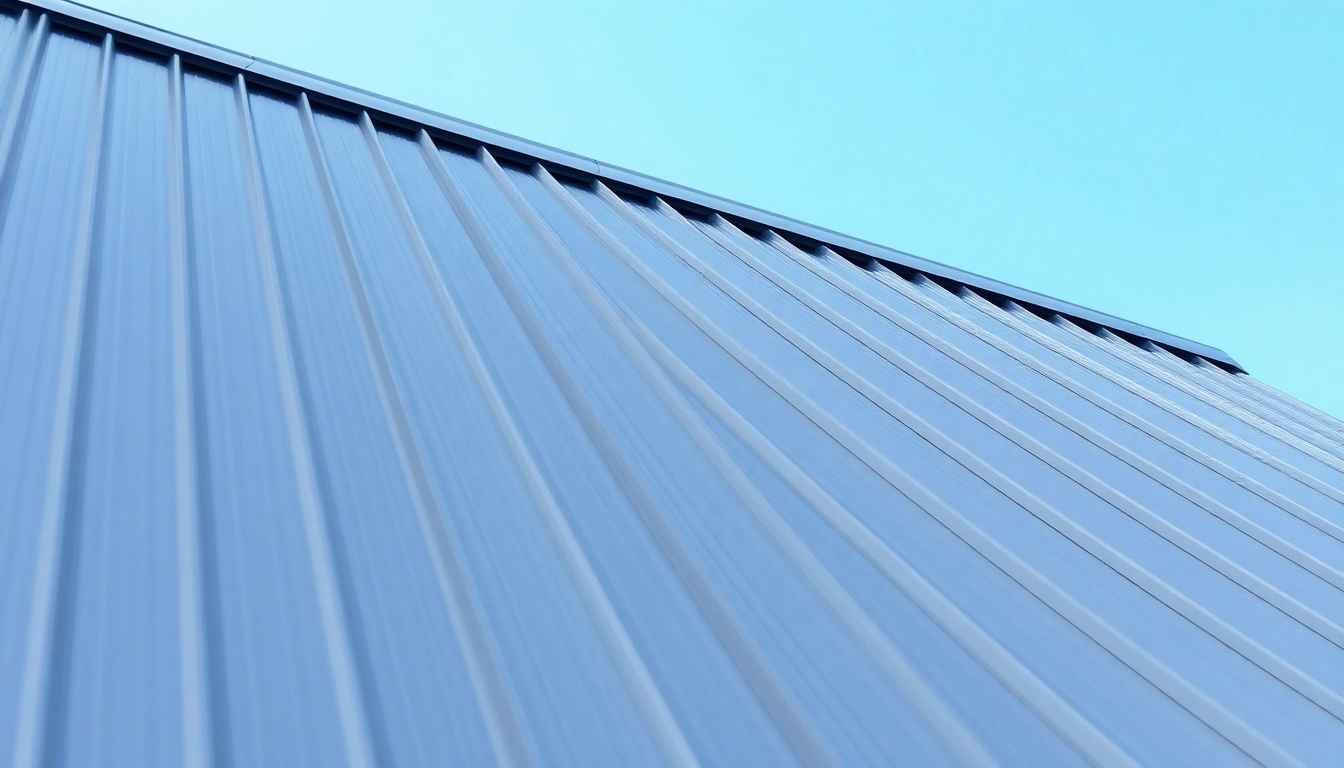
A standing seam metal roof is a concealed fastener roofing system characterized by vertical legs and a broad, flat area between the seams. This design allows for effective water drainage and creates a sleek, modern appearance. The panels are typically composed of durable materials like steel or aluminum, which provide longevity and weather resistance. One of the key benefits of this roof design is its ability to expand and contract with temperature changes, which helps to mitigate potential damage.
Key Features of Standing Seam Metal Roof
Standing seam metal roofs come with several distinct features that enhance their functionality:
- Concealed Fasteners: The fasteners used in this roofing system are hidden, which contributes to both aesthetics and durability by reducing vulnerability to the elements.
- Durability: Made from high-quality metals, these roofs are resistant to extreme weather conditions, including high winds, hail, and heavy snowfall.
- Low Maintenance: The smooth surface and seamless design help prevent debris accumulation, minimizing the need for routine maintenance.
- Energy Efficiency: Many standing seam roofs are designed with reflective coatings that can reduce heat absorption, leading to lower cooling costs.
- Variety of Finishes: From matte to gloss, these roofs can be finished in numerous colors and styles, allowing customization to fit various architectural designs.
Benefits of Choosing a Standing Seam Metal Roof
Choosing a standing seam metal roof presents many advantages:
- Longevity: With a lifespan of 40-70 years, standing seam metal roofs can last significantly longer than traditional roofing materials, making them a wise investment.
- Enhanced Aesthetics: Their modern design can enhance the curb appeal of any property, contributing positively to its overall value.
- Environmental Friendliness: Many metal roofing systems are made from recycled materials and can be recycled at the end of their life cycle, promoting sustainability.
- Insurance Benefits: Some insurance companies offer discounts for properties with metal roofs due to their improved resilience against weather-related damages.
Types of Standing Seam Metal Roof
Snap Lock vs. Mechanical Lock
Standing seam metal roofs can be categorized into two main types based on their fastening methods:
- Snap Lock: This type features panels that snap together without the need for special tools. It is easier and faster to install, making it ideal for DIY projects or fast track jobs.
- Mechanical Lock: These panels require mechanical fastening, offering enhanced water resistance due to the double seams. This option is recommended for areas with extreme weather conditions.
Materials Used in Standing Seam Metal Roofs
The materials chosen for standing seam metal roofs significantly impact their performance, durability, and overall cost. Common materials include:
- Steel: Often galvanized or coated to resist rust, steel is one of the most common materials used, offering excellent strength and affordability.
- Aluminum: Lighter than steel, aluminum is highly resistant to corrosion, making it an ideal choice for coastal areas.
- Copper: Known for its distinct appearance and longevity, copper roofs develop a patina that enhances their aesthetics over time. However, they come at a premium price.
Color Options and Customization
Standing seam metal roofs are available in a wide array of colors and finishes. Homeowners can choose from vibrant hues to subdued tones, allowing for complete customization that complements their home’s architectural style. The availability of premium coatings can enhance durability and improve energy efficiency, further broadening the customization options.
Installation Process of Standing Seam Metal Roof
Preparation and Planning Steps
Before installation, thorough preparation is necessary:
- Roof Inspection: Conducting a detailed inspection of the existing roof structure to identify any underlying issues.
- Measurements: Accurate measurements of the roof area must be taken to determine the number of panels and materials needed.
- Design Planning: Selecting the panel type, color, and additional features, such as insulation and underlayment.
- Permitting: A thorough review of local building codes and obtaining necessary permits to ensure compliance.
Common Installation Techniques
The installation of a standing seam metal roof involves specific methodologies:
- Deck Preparation: Ensure the roof deck is clean, dry, and free from damage. Proper insulation and underlayment installation are crucial.
- Panel Installation: Begin by fastening the first row of panels securely, interlocking subsequent panels where the snap lock or mechanical lock design is applied.
- Seam Sealing: To enhance water resistance, properly seal seams using recommended materials and techniques.
Safety Considerations During Installation
Safety is paramount during installation. Follow these guidelines:
- Use fall protection equipment, such as harnesses and guard rails.
- Wear appropriate personal protective gear, including non-slip footwear and eye protection.
- Ensure the work area is clear of debris and tools to prevent trip hazards.
- Keep emergency contacts readily available and ensure all team members are trained on safety protocols.
Maintenance of Standing Seam Metal Roof
Regular Maintenance Checklist
To ensure longevity, regular maintenance of the standing seam metal roof is essential. Key tasks include:
- Inspect the roof for damage or punctures at least twice a year.
- Clear debris, such as leaves and twigs, that may accumulate on the roof surface.
- Check for loose or damaged panels and fasteners, repairing or replacing them as necessary.
- Ensure that gutters and downspouts are free from blockages to maintain proper water drainage.
Weather Considerations and Impacts
Weather can dramatically affect a standing seam metal roof’s performance. Key considerations include:
- Snow and Ice: Accumulated snow can lead to excess weight and water pooling, necessitating regular removal during winter months.
- High Winds: While metal roofs perform well in high winds, keeping a closely monitored condition will ensure they remain secure.
- Extreme Heat: The reflective properties of many standing seam roofs can mitigate heat absorption, but regular checks for thermal expansion impacts are advised.
Signs of Damage to Watch For
Being vigilant about the signs of damage can prevent minor issues from escalating:
- Visible rust spots, particularly on steel roofs.
- Punctures or denting from hail or debris impacts.
- Unsealed seams or loose fasteners from extreme weather.
- Leaks or water stains inside the building, indicating potential roof failures.
Cost Analysis and Value of Standing Seam Metal Roof
Average Cost Breakdown for a Standing Seam Metal Roof
Understanding the costs involved can help in budgeting for the installation of a standing seam metal roof:
- Average cost ranges from $7 to $12 per square foot, varying based on material, design complexity, and local labor rates.
- Installation costs can account for 30–50% of the total project expenses, including framing, underlayment, and roofing panels.
- Additional costs may arise from specialized features, such as gutters, insulation, and energy-efficient coatings.
Comparative Cost Analysis with Other Roofing Options
Comparatively, standing seam metal roofing represents a premium option against traditional roofing materials:
- Asphalt shingles typically cost $3 to $5 per square foot but last only 15-30 years.
- Tile roofs might cost upwards of $10 per square foot but can offer longevity compared to asphalt.
- Despite higher upfront investment, standing seam roofs save money over time through durability and energy efficiency.
Long-term Value and ROI of Standing Seam Metal Roof
Investing in a standing seam metal roof often pays off in multiple ways:
- Increased Property Value: Homes with standing seam roofs often sell for a premium compared to those with traditional roofing options.
- Lower Insurance Premiums: Many insurers recognize the durability offered by metal roofing, leading to reduced insurance costs over time.
- Energy Savings: The reflective quality of these roofs can lead to substantial savings on heating and cooling bills.
Frequently Asked Questions
1. How long does a standing seam metal roof last?
A standing seam metal roof can last between 40 to 70 years, depending on the material used and maintenance performed.
2. Can standing seam metal roofs be installed over existing shingles?
Yes, standing seam metal roofs can often be installed over existing shingles, improving insulation and efficiency while saving on labor costs.
3. Are standing seam metal roofs noisy during rain?
While some noise can be heard during rain, sound-deadening insulation can be added to mitigate this effect, making the space quieter.
4. Do standing seam metal roofs require maintenance?
Yes, routine inspections and cleaning are advisable to maintain performance and longevity, but they require less maintenance compared to other roofing types.
5. How much does installation cost?
The installation cost of a standing seam metal roof typically ranges from $7 to $12 per square foot, depending on various factors including material and complexity.