Introduction to the Chest of Drawers
The chest of drawers stands as one of the most functional and versatile pieces of furniture in modern homes. Its utility spans across various spaces, including bedrooms, living rooms, and hallways, offering essential storage while simultaneously enhancing décor. This article delves into the rich history of the chest of drawers, the myriad benefits it brings to living spaces, and how to choose the right style that aligns with your personal aesthetic and functional needs.
History and Evolution of Chest of Drawers
The concept of the chest of drawers dates back to the Renaissance period. Initially, garments were stored in large chests that served as makeshift wardrobes. As furniture design evolved, artisans began to incorporate drawers into these chests, creating the convenience we appreciate today. Over the centuries, the chest of drawers transitioned from ornate, heavily carved pieces favored by the aristocracy to more streamlined and minimalist designs that align with contemporary tastes.
By the 18th and 19th centuries, chests of drawers became a staple in middle-class homes, made accessible through advancements in manufacturing techniques. The introduction of various materials such as mahogany, oak, and pine further diversified design options. In recent years, there has been a resurgence of interest in vintage and antique styles, emphasizing the timeless nature of the chest of drawers.
Benefits of Using a Chest of Drawers
One of the foremost advantages of a chest of drawers is its capacity to maximize storage without occupying excessive floor space. This is particularly beneficial in smaller living environments, where efficient organization is paramount. These pieces offer various drawer sizes, making them suitable for items ranging from clothing and accessories to office supplies and linens.
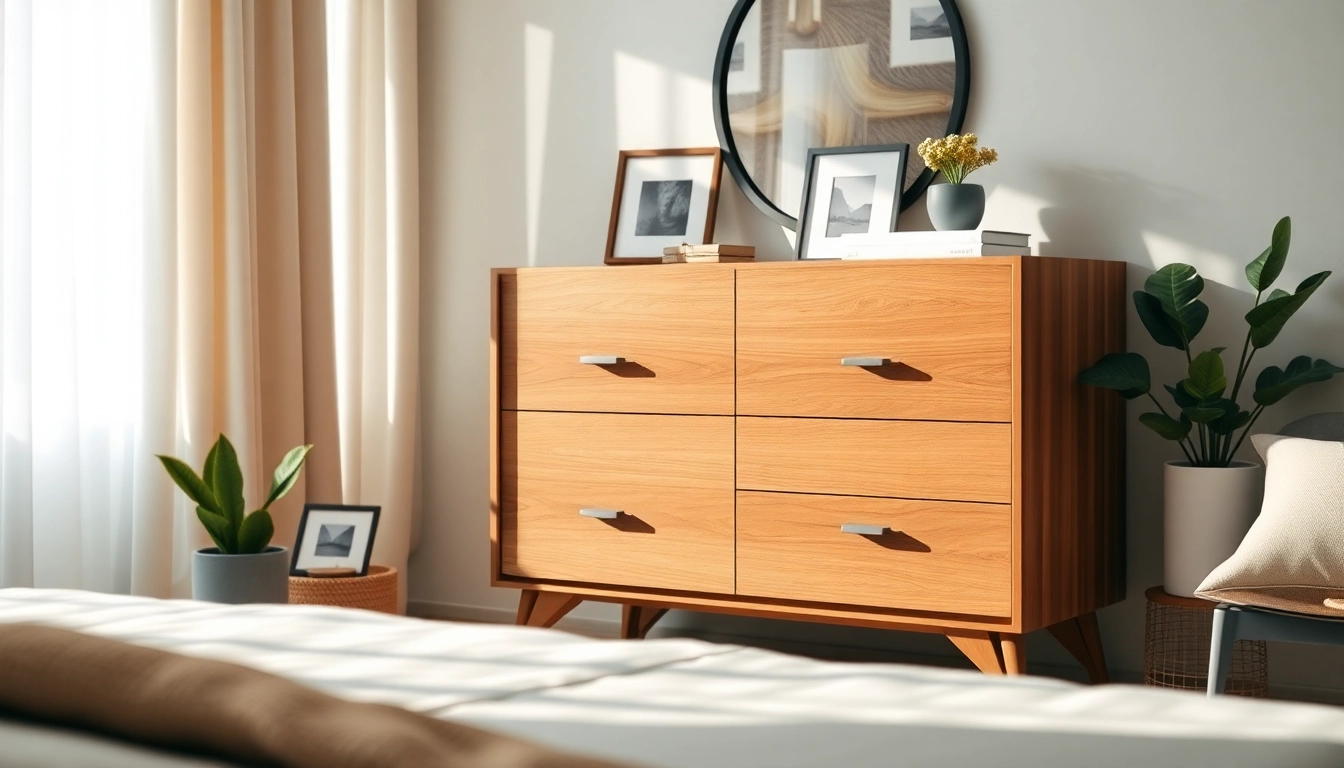
Furthermore, a chest of drawers can serve as a focal point in a room. Its design can set the tone for the rest of the décor, from rustic charm to modern sophistication. With the right styling, a chest of drawers can be an artful display surface for plants, photographs, and decorative items, thus elevating the overall aesthetic of your space.
Choosing the Right Style for Your Space
Selecting the perfect chest of drawers involves considering the existing décor and intended use. For contemporary spaces, sleek and simple designs like mid-century modern pieces can seamlessly blend with minimalist aesthetics. For more traditional settings, ornate details and rich wood tones may provide an ideal complement.
It’s also important to evaluate functionality. A tall, narrow chest can fit nicely in a compact area, while a wider option can provide ample storage for larger items. Customization options, such as the addition of color or hardware, can further personalize the piece, ensuring it meets both stylistic and storage needs.
Materials and Construction
Common Materials Used in Chest of Drawers
The durability and appearance of a chest of drawers largely depend on the materials used in its construction. Common choices include solid woods, engineered woods, and composites, each offering unique benefits.
- Solid Wood: Pieces made from hardwoods like oak, maple, and cherry are durable and often develop character over time. They tend to be more expensive but offer longevity.
- Engineered Wood: MDF and plywood are often used for budget-friendly options. While they may lack the robustness of solid wood, they can offer attractive designs and finishes.
- Metal: For a modern twist, some chests utilize metal as a primary material, often highlighted with wood accents for balance.
Understanding Construction Quality
When investing in a chest of drawers, the construction quality can significantly impact its lifespan and functionality. Look for features such as:
- Joint Construction: Dovetail or mortise-and-tenon joints indicate superior craftsmanship, while staples or glue joints may suggest lesser quality.
- Drawer Slides: Heavy-duty metal slides enhance usability and longevity compared to plastic variants that may warp over time.
- Finishing: A well-applied finish not only enhances aesthetics but also protects the wood from moisture and wear.
Ensuring high construction quality is crucial for a product that will be used frequently and borne the wear and tear of daily life.
Eco-Friendly Options for Sustainable Living
With increasing awareness of environmental issues, many consumers are opting for eco-friendly furniture solutions. Several manufacturers now offer chests of drawers made from sustainable materials such as reclaimed wood, bamboo, or certified sustainable sources. These options reduce the carbon footprint associated with traditional furniture and promote responsible consumption.
Additionally, choose products that are low in volatile organic compounds (VOCs) to enhance indoor air quality, which can be especially important in tightly sealed modern homes. Investing in sustainable options benefits not just your living space, but the planet as well.
Design Considerations
Color Schemes and Aesthetic Choices
The color and finish of your chest of drawers can dramatically influence the overall feel of a room. Light colors such as white or pale gray can make spaces feel more open and airy, making them perfect for smaller areas or contemporary designs. Dark woods impart warmth and instant sophistication, suitable for traditional or rustic interiors.
A well-chosen finish can protect the surface while enhancing or contrasting with the existing color palette. Whether opting for a bold color or sticking with natural wood tones, consider the psychological impacts of color and how it aligns with the ambiance you want to create.
Functional Features to Look For
Today's chests of drawers come with numerous functional features that enhance utility. Here are some important features to consider:
- Dividers: Some drawers include internal dividers, which help keep items organized and easily accessible.
- Soft-Close Mechanisms: This feature allows drawers to close gently, preventing slamming and prolonging the lifespan of the furniture.
- Multi-functional Designs: Chests that double as benches or changing tables can provide additional functionality, maximizing the use of space.
Maximizing Storage Space in Your Chest of Drawers
To fully utilize a chest of drawers, implement smart organizational solutions. Here are a few practical tips:
- Utilize Drawer Organizers: These can efficiently separate smaller items and maintain a tidy appearance.
- Seasonal Rotation: Store out-of-season clothing in less frequently used drawers to free up space for what you need.
- Vertical Space Utilization: Use the top of the chest for decorative items or additional storage without cluttering your drawers.
By adopting these strategies, you can maximize the utility of your chest of drawers while creating a visually pleasing environment.
Care and Maintenance
Cleaning Tips for Longevity
Regular maintenance is essential to prolong the life of your chest of drawers. Here’s how to clean and care for your furniture:
- Dust Regularly: Use a soft, dry cloth to remove dust, which can scratch surfaces if not addressed.
- Use Mild Cleaners: Clean surfaces with a mild soap solution; avoid harsh chemicals that can strip finishes.
- Conditioning: Apply wood conditioner every few months to maintain moisture levels and prevent drying or cracking.
Repairing Common Issues
Wear and tear is inevitable, but many common issues with chests of drawers can be addressed easily. Here are some tips:
- Scratches and Dents: Use wood fillers for deeper scratches or a touch-up marker for minor imperfections.
- Stuck Drawers: If drawers become difficult to open, check for obstructions or consider applying wax to the slides for smoother operation.
- Loose Hardware: Regularly check knobs and handles, tightening any loose screws as necessary.
Addressing minor issues promptly can prevent more significant repairs down the line.
Preventing Damage to Wood Finishes
To protect your chest of drawers against common threats, consider these preventative measures:
- Avoid Direct Sunlight: Position your chest away from direct sunlight to prevent fading and warping.
- Humidity Control: Use dehumidifiers in areas prone to excess moisture, as this can adversely affect wood.
- Regular Maintenance: Keeping up with cleaning and conditioning can prevent buildup that may lead to irreversible damage.
By adopting careful practices, you can maintain the integrity and beauty of your chest of drawers for years to come.
FAQs about Chest of Drawers
What size chest of drawers should I choose for my room?
Consider the room dimensions and your storage needs when selecting a chest of drawers. Make sure to measure the space to ensure proper fit and functionality.
How can I style a chest of drawers?
Add decorative items, such as plants or lamps, to showcase your personal style. Mixing textures and heights can create a visually appealing display.
Are there eco-friendly options for chest of drawers?
Yes, look for pieces made from sustainable materials like reclaimed wood or bamboo. These options help promote a more sustainable lifestyle.
What’s the best way to clean a chest of drawers?
Use a soft, damp cloth and a mild cleaner to gently wipe down surfaces. Avoid abrasive cleaners that can damage the finish.
Can I use a chest of drawers in a small space?
Absolutely! Opt for a slim design to maximize storage without overwhelming the area. Consider placing it in a corner for efficient use of space.