Choosing the Right Refrigerator
When it comes to outfitting your kitchen, selecting the perfect Refrigerator can often feel overwhelming. With a myriad of options available, understanding your needs and the features available is crucial for making an informed decision. In this comprehensive guide, we’ll break down what you need to consider when purchasing a refrigerator, including different types, energy efficiency, maintenance, innovative technology, and much more.
Understanding Your Needs for Refrigerator
The first step in choosing the right refrigerator is to assess your specific needs. Consider the size of your household, your cooking habits, and the space available in your kitchen. If you frequently cook large meals, a larger refrigerator may be necessary for adequate storage. It’s also essential to think about what kind of food items you usually store. For instance, do you stock up on frozen goods, or do you prefer fresh produce? These factors heavily influence the type of refrigerator that will best fit your lifestyle.
Different Types of Refrigerators
Once you have a clear understanding of your requirements, you can explore the various types of refrigerators available:
- Top Freezer Refrigerators: These traditional models feature a freezer compartment on top and are often more affordable. They are durable and provide ample storage space.
- Bottom Freezer Refrigerators: These offer easier access to fresh food with the freezer located at the bottom. They often have additional drawer storage for better organization.
- Side-by-Side Refrigerators: With vertical compartments for the refrigerator and freezer, these models allow easy access to both sections. They are great for kitchens with narrow spaces.
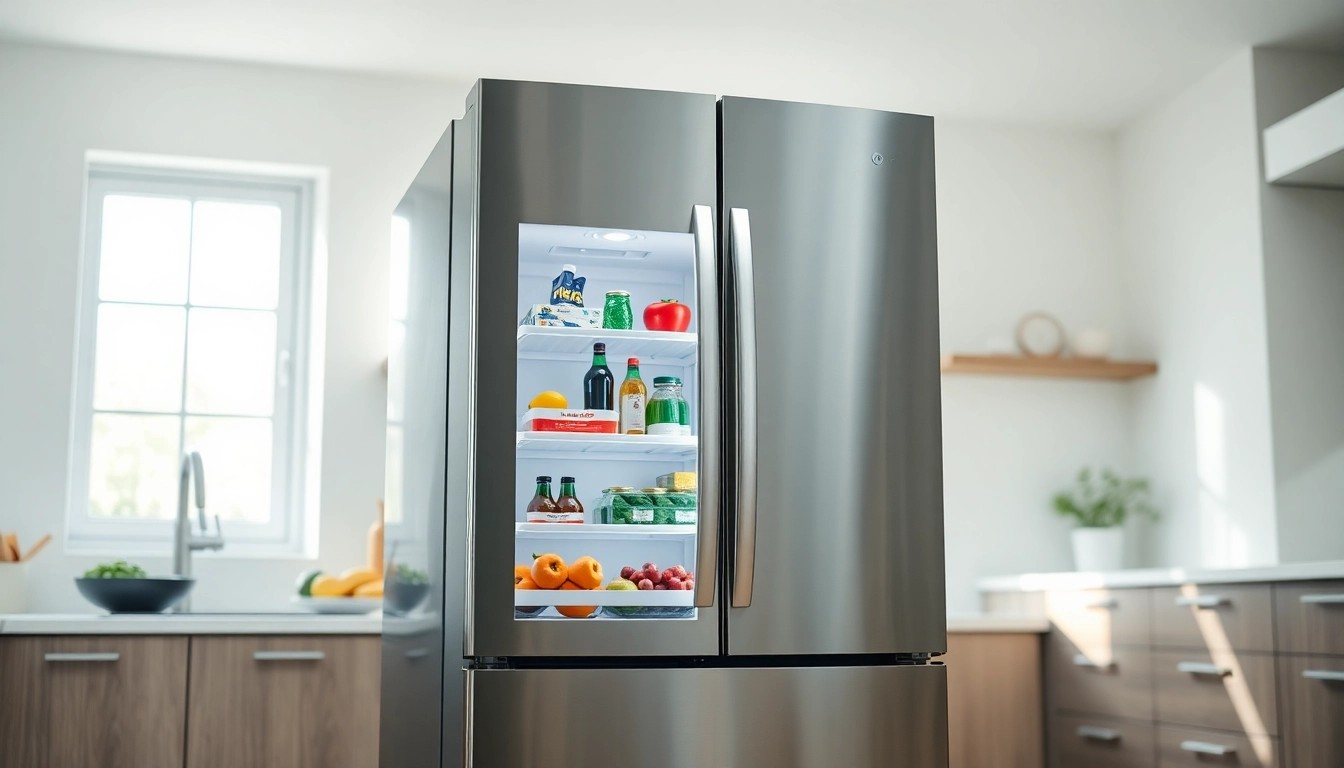
- French Door Refrigerators: Combining a top refrigerator and bottom freezer with dual doors, these are designed for convenience and often come with advanced technology and features.
- Compact Refrigerators: Ideal for small spaces, these efficient models work well in dorms, offices, or as secondary units.
Key Features to Look for in a Refrigerator
As you narrow down your options, look for features that enhance functionality and convenience:
- Storage Configuration: Adjustable shelves, door bins, and dedicated compartments can make storing varied items easier.
- Cooling Technology: Look for features like dual cooling or inverter technology for even temperature distribution and enhanced freshness.
- Noise Level: Some refrigerators operate quietly, which is a crucial factor if your kitchen is an open space.
- Water and Ice Dispensers: Built-in dispensers offer convenience for homes that make frequent use of these features.
- Smart Features: Wi-Fi connectivity and smart technology can transform your experience, with options for managing temperatures remotely or tracking inventory.
Energy Efficiency and Sustainability
Understanding Energy Ratings for Refrigerators
The energy efficiency of a refrigerator is a vital consideration both for reducing electric bills and for environmental impact. Look for the ENERGY STAR label, which ensures the appliance meets energy efficiency guidelines set by the EPA.
Eco-Friendly Refrigeration Options
Many manufacturers are now offering eco-friendly models that utilize less harmful refrigerants and sustainable materials. By choosing these options, you contribute to reducing your carbon footprint and promoting sustainable practices.
How to Reduce Energy Consumption with Your Refrigerator
There are several strategies to minimize your refrigerator’s energy use:
- Keep the refrigerator full, as items help maintain cold temperatures.
- Avoid placing hot items directly into the refrigerator to reduce the workload on the compressor.
- Ensure the doors seal properly to maintain temperature and efficiency.
- Maintain the appropriate temperature settings, generally between 37°F and 40°F for fresh food and 0°F for the freezer.
Maintenance Tips for Your Refrigerator
Regular Cleaning and Care for Refrigerator
Maintaining your refrigerator extends its lifespan and enhances performance. Regularly clean the condenser coils, which may be situated at the back or underneath the unit, to prevent overheating. Wipe down interior surfaces to eliminate spills and odors.
Common Issues and Troubleshooting for Refrigerators
Familiarize yourself with common refrigerator issues, such as unusual noises, temperature fluctuations, or leaking. Often, simple fixes like re-leveling the appliance or adjusting temperature settings can resolve these problems.
Extending the Lifespan of Your Refrigerator
A refrigerator can typically last between 10 to 20 years, depending on the model and care. Regular maintenance checks, avoiding overloading, and gentle use of drawers can significantly extend your refrigerator's functional life.
Innovative Technology in Refrigerators
Smart Features in Modern Refrigerators
The rise of smart technology has revolutionized the way we use refrigerators. Models equipped with Wi-Fi can send alerts regarding maintenance needs or when the door is left ajar. Some even have touch screens that allow you to check inventory or create grocery lists right on the appliance.
Health Benefits of Advanced Refrigerator Technologies
Modern refrigerators often include features designed to maintain food quality, such as air purification systems and humidity control. These advancements help reduce food waste and ensure that your meals remain healthy.
Comparing Traditional vs. Smart Refrigerators
While traditional refrigerators serve basic needs adequately, smart refrigerators offer enhanced convenience, connectivity, and monitoring. Consider how these features align with your lifestyle before making a choice.
Frequently Asked Questions about Refrigerators
What size refrigerator do I need for my kitchen?
The ideal size depends on your household size and available kitchen space. Standard sizes range from 18 to 30 cubic feet, with larger families needing more capacity.
How long do refrigerators typically last?
Refrigerators can last between 10 to 20 years. Regular maintenance and proper use can help extend their lifespan.
Are energy-efficient refrigerators worth the investment?
Yes, energy-efficient refrigerators can save on energy bills over time and reduce environmental impact, making them a worthy investment.
What are the best practices for organizing my refrigerator?
Store similar items together, use clear containers for leftovers, and keep raw meats separate to avoid cross-contamination for efficient organization.
Can I repair my refrigerator myself?
Minor issues such as replacing a door seal or cleaning coils can usually be done yourself. However, major repairs are best handled by professionals to avoid damage.