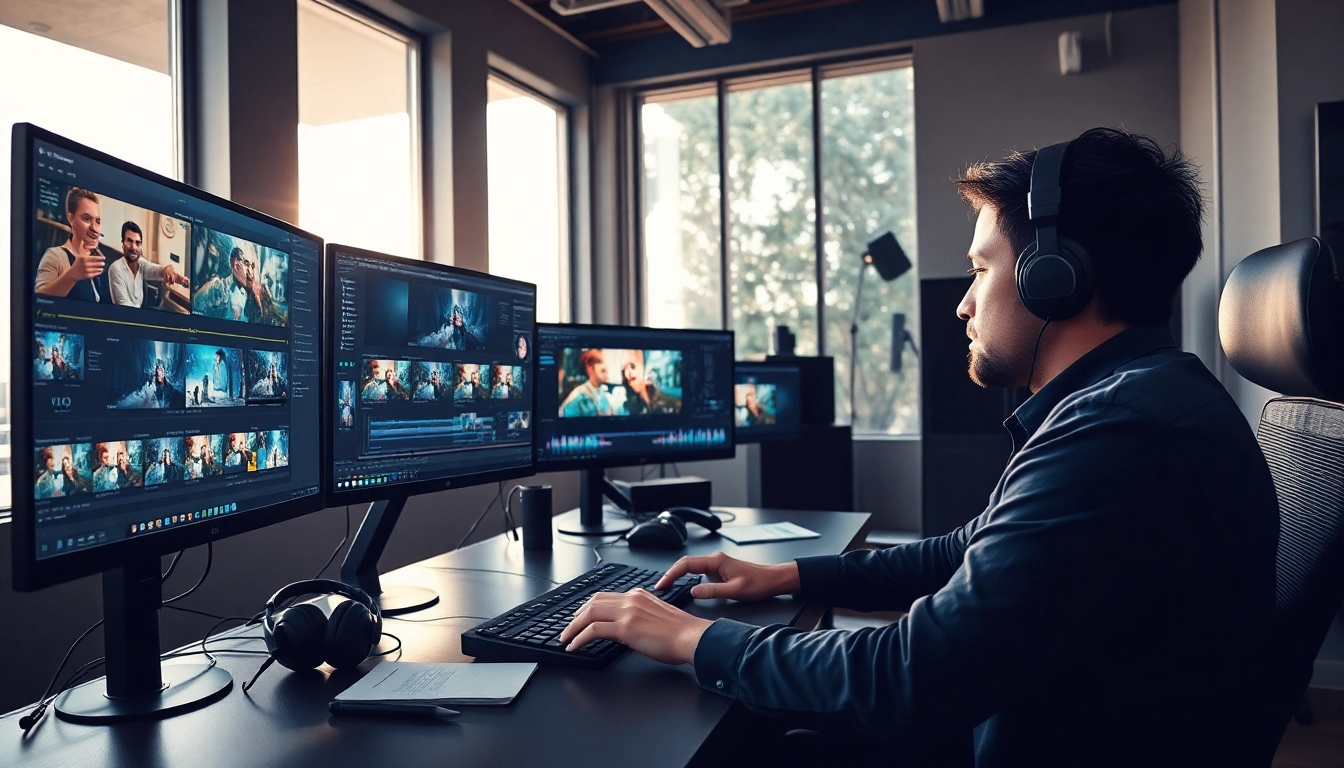
Understanding the Role of Professional Video Editors
In today’s digital age, video content has emerged as a significant medium for storytelling, marketing, and communication. At the heart of this transformation lies the expertise of professional video editors. These individuals possess the skill set necessary to take raw footage and sculpt it into a cohesive, engaging narrative that resonates with audiences. This section delves into the multifaceted role of video editors, shedding light on their responsibilities, required skills, and the powerful impact they have on storytelling.
What Do Professional Video Editors Do?
Professional video editors are primarily responsible for assembling recorded footage into a finished project that meets the director’s vision and audience's expectations. Their work ensures that the final product is polished and engaging. Here’s an overview of their core responsibilities:
- Footage Selection: Determining what shots and clips will best convey the intended story.
- Editing: Using software to cut and arrange footage, adding transitions, effects, and audio tracks to enhance the overall impact.
- Collaboration: Working with directors, producers, and sometimes scriptwriters to ensure the project aligns with creative goals.
- Quality Control: Reviewing the final cut for errors in continuity, audio issues, and pacing.
- Feedback Incorporation: Making adjustments based on reviews from stakeholders to refine the final output.
The Skills and Tools of the Trade
To be effective, professional video editors must master a range of technical skills and tools. Some of the most critical skills include:
- Technical Proficiency: Familiarity with editing software such as Adobe Premiere, Final Cut Pro, and DaVinci Resolve.
- Attention to Detail: An eye for detail to ensure seamless cuts and transitions, as well as adherence to specifications.
- Creativity: A creative mindset to develop engaging narratives and innovative video solutions.
- Time Management: The ability to manage deadlines and multiple projects simultaneously.
- Storytelling Ability: Understanding the elements of storytelling to create compelling narratives that captivate audiences.
As for tools, video editors typically work with high-performance computers equipped with advanced graphics capabilities, monitors calibrated for color accuracy, and industry-standard software that enhances their workflows.
How Video Editing Enhances Storytelling
Video editing is not merely a technical process; it's an art form that shapes how stories are told. Edit choice can significantly alter the viewer's perception and emotional response. Here are some ways video editing enhances storytelling:
- Pacing: Effective editing dictates the rhythm and pace of a story. Quick cuts can create excitement while longer takes can build tension or drama.
- Emotional Impact: The strategic use of music, sound effects, and visual transitions can evoke emotions and draw viewers deeper into the story.
- Visual Narratives: Effective use of visuals, such as montages and B-roll footage, can add context and layers to a narrative without the need for words.
- Audience Engagement: Through careful editing, editors can hook audiences early and maintain their interest throughout the duration of a video.
Choosing the Right Professional Video Editor for Your Needs
With a clear understanding of what professional video editors do, the next step is knowing how to choose the right one for your specific needs. Whether you require freelance help for a one-off project or a dedicated in-house editor, the selection process is critical to achieving your vision.
Freelance vs. In-house Editors
One of the primary decisions is whether to hire a freelance video editor or to bring someone in-house. Each option has its pros and cons:
- Freelance Editors: Typically more flexible and cost-effective for short-term projects. They bring diverse experiences and styles drawn from working on various projects.
- In-house Editors: Ideal for long-term engagements. They can become deeply integrated into your brand and understand your specific requirements over time.
Choosing between these options depends on your project's scale, budget, and how often you need video editing services.
Evaluating Portfolios and Experience
When assessing potential candidates, evaluating their portfolios is crucial. Here's what to look for:
- Style Consistency: Look for editors whose previous work aligns with your desired aesthetic or format.
- Diversity of Projects: A varied portfolio indicates versatility, which can be beneficial for different types of projects.
- Client Testimonials: Feedback from past clients can provide insights into the editor's professionalism, reliability, and ability to meet deadlines.
- Technical Skill Evidence: Experience with cutting-edge tools and software showcases their commitment to staying current in the industry.
Common Specializations to Look For
Video editing encompasses various niches. Depending on your project needs, consider looking for professionals with specific specializations:
- Corporate Video Editing: For business-focused content, such as training videos or promotional materials.
- Film Editing: Editors who work specifically with narrative films, commercials, or documentaries.
- Social Media Editing: Those specialized in crafting engaging content for platforms like Instagram, TikTok, and YouTube.
- Motion Graphics and Animation: If your project requires advanced visual effects or animated elements, seek out editors with experience in these areas.
The Average Costs of Professional Video Editing Services
Understanding the costs associated with hiring professional video editing services is crucial for budgeting. Several factors come into play when estimating the budget for your video editing needs.
Breaking Down Editing Rates
The rates for professional video editing can vary widely based on various factors. Here's a general breakdown:
- Basic Editing: Ranges from $1.25 to $10 per minute. This typically includes simple cuts and transitions.
- Professional Editing: Costs between $10 and $50 per minute. This level often involves more complex work and creative input.
- Advanced Editing: Can exceed $50 per minute, often includes graphics, visual effects, or significant narrative development work.
Factors Influencing Cost
Several factors can influence the rates charged by video editors, including:
- Experience Level: More seasoned editors often command higher rates due to their advanced skills and proven track records.
- Project Complexity: The more complex the project, the higher the costs, especially if it requires extensive effects or intricate editing.
- Turnaround Time: Rush projects typically incur additional fees, reflecting the need for expedited service.
- Location: Editors based in larger metropolitan areas may charge more due to higher living costs.
Budgeting for Video Projects
Budgeting properly is essential to ensure you receive quality work without financial strain. Consider the following steps:
- Define Your Scope: Clearly outline your project's requirements to get accurate estimates from editors.
- Research Market Rates: Understand the familiar pricing to set your budget and negotiate effectively.
- Account for Additional Costs: Include potential extra costs for revisions, additional footage, and other variables that may arise.
Best Practices When Working with Video Editors
A successful collaboration with a video editor hinges on clear communication, setting expectations, and providing constructive feedback. Here are some best practices to follow:
Setting Clear Expectations and Goals
Before commencing the project, take time to define your goals and expectations:
- Articulate Your Vision: Share your ideas, inspirations, and desired outcomes. Utilize reference videos if possible.
- Outline Deliverables: Specify what the final deliverables should be, such as file formats, desired lengths, and platform specifications.
- Establish a Timeline: Set deadlines and milestones to keep the project on track.
Effective Communication Strategies
Effective communication can prevent misunderstandings and ensure that the project aligns with your vision.
- Regular Check-ins: Schedule periodic meetings to review progress and address any arising issues.
- Encourage Open Dialogue: Foster an environment where the editor can share their insights and suggestions.
- Use Project Management Tools: Adopt platforms like Asana or Trello to keep everyone informed and organized.
Providing Feedback for Improved Results
Constructive feedback is critical to refining the editing process:
- Be Specific: Clearly detail what you like and what you would like changed.
- Focus on the Work: Avoid personal criticisms; direct your feedback toward the project and its execution.
- Balance Praise and Critique: Acknowledge what worked well while offering constructive advice for improvement.
Trends Shaping the Future of Video Editing
As technology evolves, so does the landscape of video editing. Understanding these trends can help both editors and clients adapt to the future of video content creation.
Embracing New Technologies and Software
The video editing industry is continuously innovating, with new software and technology emerging. Here are key developments to watch:
- Cloud-Based Editing: Increasingly, editors are turning to cloud-based editing tools that allow for collaboration and storage without hardware constraints.
- High-Resolution Editing: The demand for 4K and even 8K content is growing, requiring editors to be proficient in handling high-resolution footage.
- Mobile Editing Tools: As mobile devices become more powerful, editing applications for smartphones are gaining traction, enabling on-the-go edits.
The Rise of AI in Video Editing
Artificial intelligence is starting to play a considerable role in video editing:
- Automated Editing: AI is making it possible to automate certain editing processes, saving time and reducing human error.
- Content Recommendation: AI algorithms can analyze footage to suggest edits and cuts based on established patterns and emotional cues.
- Enhanced Effects: AI tools can create effects and enhancements that would be time-consuming for editors to accomplish manually.
Staying Ahead in a Competitive Market
As the demand for video content continues to rise, so does the competition. Editors must constantly evolve to stay relevant:
- Continuous Learning: Professionals should regularly upgrade their skills through online courses and certifications in emerging software.
- Networking: Building connections within the industry can lead to new opportunities and collaborations.
- Portfolio Updates: Keep portfolios fresh by adding new work that showcases developed skills and styles.
Engaging a professional video editor can be a transformative decision for your content strategy. By understanding their role and incorporating the best practices detailed above, you can enhance the quality of your videos, tell more compelling stories, and ultimately connect better with your audience. Stay informed about industry trends and continuously adapt to foster successful collaborations.