
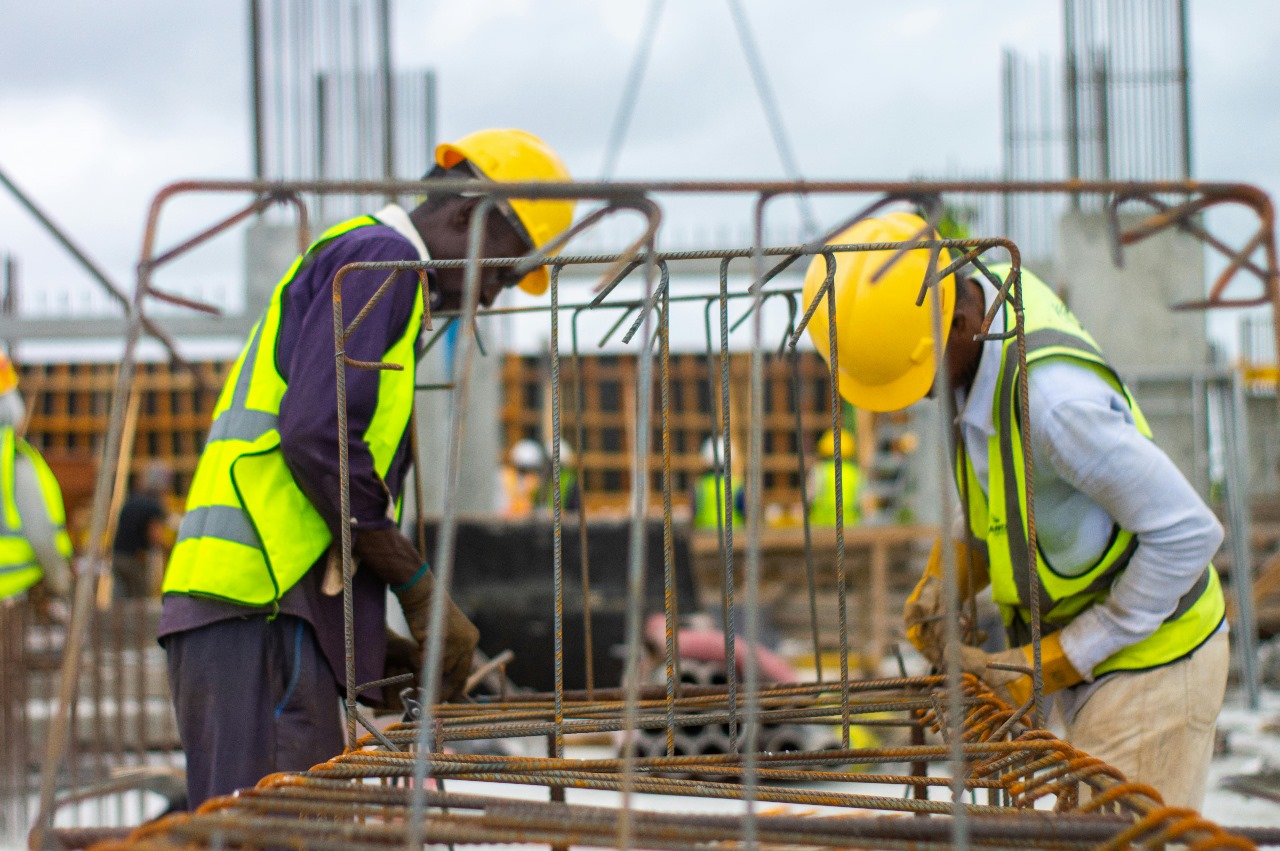
In Hawaii’s thriving economy, technical skills and workforce readiness are more essential than ever. As tourism, construction, healthcare, and renewable energy continue to expand across the islands, Hawaii trade schools have become the cornerstone for preparing residents for success in these in-demand fields. These schools not only open doors to stable, high-paying careers but also play a pivotal role in strengthening Hawaii’s local industries by cultivating a homegrown, skilled workforce that reduces dependence on imported labor.
The Rising Demand for Skilled Workers in Hawaii
Hawaii’s Growing Industrial Landscape
Hawaii’s economy is far more diverse than its image as a tropical paradise suggests. Beyond tourism, the islands are investing heavily in renewable energy, construction, and technology sectors. With infrastructure improvements, housing development, and sustainability initiatives underway, the demand for skilled professionals continues to rise. From electricians and welders to HVAC technicians and healthcare specialists, the state is experiencing a surge in job openings that require technical expertise and certification rather than traditional four-year degrees.
Bridging the Workforce Gap
Despite the demand, Hawaii faces a persistent shortage of qualified local workers. Many industries rely on out-of-state labor, which can increase project costs and delay timelines. Trade schools bridge this gap by equipping local residents with the hands-on training and technical education necessary to fill critical positions across industries. By focusing on practical learning and industry standards, trade schools ensure graduates can step directly into the workforce with confidence and competence.
How Hawaii Trade Schools Support Local Economic Growth
Reducing Reliance on Imported Labor
One of the greatest economic challenges Hawaii faces is its dependence on imported labor. Skilled trades like plumbing, electrical work, and construction often require workers from the mainland, leading to higher costs for businesses and limited job opportunities for locals. Hawaii trade schools directly address this issue by training residents locally. This not only keeps more jobs within the community but also supports long-term economic sustainability by strengthening Hawaii’s workforce from within.
Creating Opportunities for Career Advancement
Trade schools provide accessible and affordable pathways to rewarding careers without the burden of student debt that often accompanies four-year universities. Graduates can enter the workforce quickly, earn competitive wages, and continue advancing their skills through certifications and apprenticeships. Many programs partner with local employers, giving students the chance to gain on-the-job experience while studying—an invaluable advantage in today’s competitive job market.
Supporting Small Businesses and Local Contractors
Many graduates of Hawaii trade schools go on to start their own businesses or join small, locally owned companies. These new entrepreneurs contribute to economic diversity and stability by reinvesting their earnings into the local community. As skilled tradespeople establish themselves across the islands, Hawaii benefits from a self-sustaining cycle of employment, business growth, and community development.
Key Sectors Strengthened by Hawaii Trade Schools
Construction and Infrastructure
Hawaii’s construction sector continues to expand, driven by residential developments, tourism infrastructure, and government-funded projects. Trade schools offering programs in carpentry, welding, HVAC systems, and plumbing ensure the workforce is ready to meet these growing needs. Students gain hands-on experience using modern tools and technologies, preparing them for immediate employment in both commercial and residential construction.
Renewable Energy and Sustainability
As the state moves toward its goal of 100% renewable energy by 2045, trained technicians are in high demand to install and maintain solar, wind, and other clean energy systems. Trade schools have adapted their programs to align with these sustainability goals, offering specialized certifications in renewable energy technology. This not only supports Hawaii’s environmental ambitions but also creates new, future-proof career paths for residents.
Healthcare and Allied Services
Healthcare remains one of Hawaii’s fastest-growing industries. Trade schools offering programs in nursing assistance, medical technology, and healthcare administration provide a direct route to stable, high-demand positions. With an aging population and increasing healthcare needs, these trained professionals ensure the state’s residents continue to receive quality care while also supporting one of Hawaii’s most critical economic sectors.
Automotive and Marine Technology
Given Hawaii’s reliance on transportation for both personal and commercial needs, skilled mechanics and marine technicians are essential. Trade schools that specialize in automotive repair, diesel technology, and marine mechanics help keep the islands running smoothly by training professionals who can maintain vehicles and vessels that power local life and commerce.
Advantages of Choosing Hawaii Trade Schools
Hands-On Learning and Real-World Application
Unlike traditional universities that emphasize theory, trade schools focus on experiential learning. Students spend most of their time in workshops, labs, and field settings where they apply what they learn in real-world scenarios. This practical training ensures graduates are job-ready and capable of handling the challenges they’ll face on the job from day one.
Shorter Program Lengths and Lower Tuition Costs
Trade school programs typically take between six months and two years to complete, significantly shorter than most degree programs. This allows students to begin earning sooner while avoiding the burden of long-term debt. Combined with flexible scheduling and financial aid options, Hawaii trade schools make education more accessible to people from all walks of life.
Strong Industry Connections and Job Placement Support
Many trade schools in Hawaii maintain partnerships with local employers, unions, and industry associations. These relationships not only help shape the curriculum but also provide students with valuable networking opportunities and job placement assistance. Employers often prefer hiring graduates from local trade schools because they are already familiar with Hawaii’s unique work environments and community values.
Building a Sustainable Future Through Education
Promoting Community-Based Development
When local residents gain technical skills and stable employment, communities flourish. Graduates of Hawaii trade schools contribute directly to local development projects—whether building homes, repairing roads, or installing renewable energy systems. Their work has a lasting impact, promoting sustainability and self-reliance throughout the islands.
Encouraging Youth Engagement and Career Diversity
By introducing young people to the benefits of skilled trades early, Hawaii can inspire the next generation to pursue fulfilling, practical careers. Many high schools now collaborate with trade institutions through dual-enrollment programs, allowing students to earn credits and certifications before graduation. These initiatives not only open doors for future employment but also strengthen the state’s long-term economic outlook.
Choosing the Right Hawaii Trade School
When selecting a trade school, students should consider accreditation, program offerings, job placement rates, and industry partnerships. Accredited schools meet established standards of education, ensuring students receive quality instruction recognized by employers across Hawaii and beyond. Additionally, programs that include apprenticeships, internships, or externships provide invaluable hands-on experience that enhances employability after graduation.
Conclusion: Strengthening Hawaii’s Future Through Skilled Education
Hawaii’s industries—from construction and energy to healthcare and technology—depend on a steady flow of skilled, well-trained professionals. By investing in education through Hawaii trade schools, the islands are not only creating more opportunities for residents but also securing a stronger, more self-reliant future. These institutions are more than just training centers—they are engines of economic growth, community empowerment, and sustainability. For students seeking rewarding, stable careers and for businesses looking to thrive with local talent, Hawaii trade schools are the key to building a brighter tomorrow for the Aloha State.