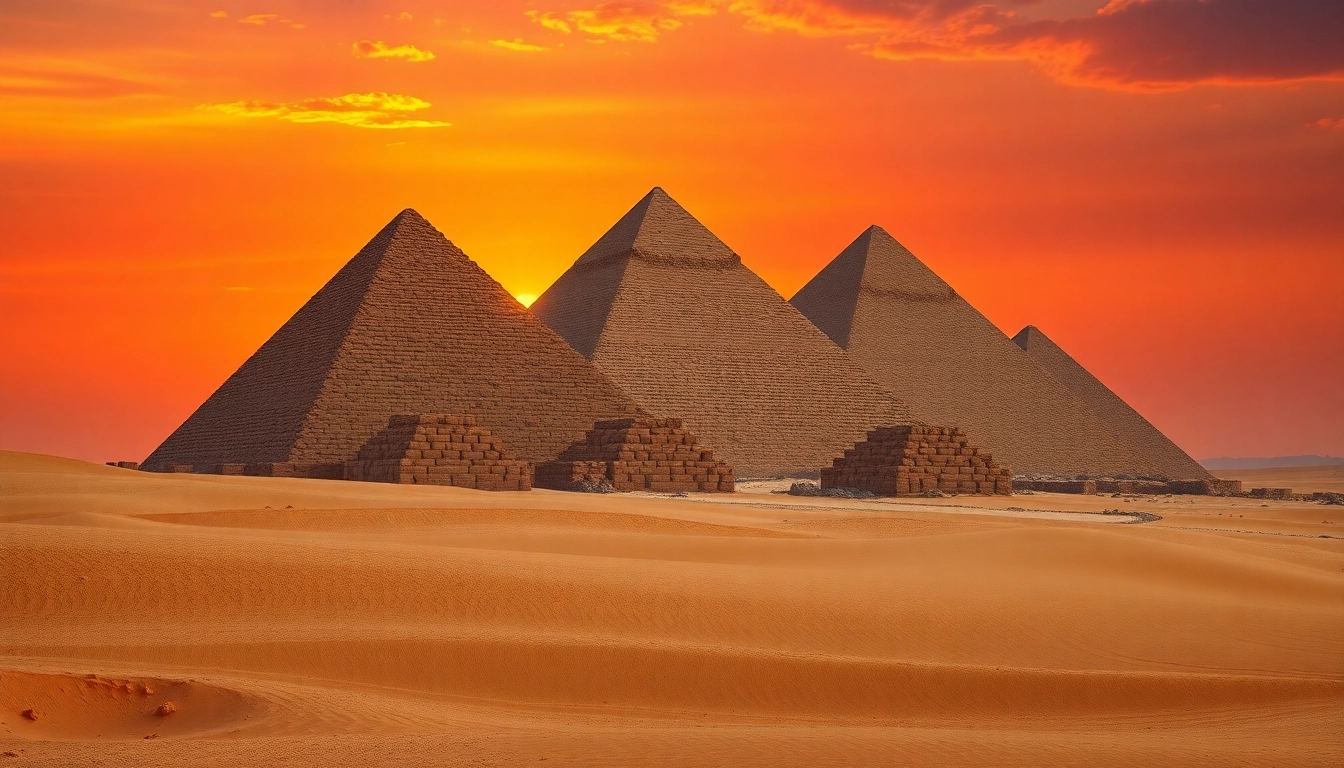
Understanding the Giza Pyramids
The Pyramids of Giza stand as one of the most remarkable achievements in human history, drawing visitors from around the globe to admire their grandeur and ponder the mysteries that lie within. Constructed during the Fourth Dynasty of Egypt's Old Kingdom, these monumental structures reflect the Egyptians' remarkable architectural and engineering prowess. They served not merely as tombs for pharaohs but as intricate religious symbols and cultural heritage that encapsulate ancient Egyptian beliefs and practices. For a detailed exploration of these fascinating structures, you can visit https://piraminds.com/.
The Historical Significance of the Giza Pyramids
Historically, the Pyramids of Giza symbolize the zenith of ancient Egyptian civilization, serving as an everlasting monument to the pharaohs and their divine connection. The Great Pyramid, built for Pharaoh Khufu, stands as the largest of the three and is one of the Seven Wonders of the Ancient World. During its completion, it was the tallest man-made structure on Earth, showcasing the technological advances of its time.
The Giza pyramids also played a crucial role in the socio-political landscape of ancient Egypt; they reflected the immense power of the pharaoh and were integral to the religious beliefs of the time, particularly the significance of the afterlife. The pyramids were part of an elaborate mortuary complex which included temples, causeways, and smaller pyramid structures, indicating the societal hierarchy and the religious fervor surrounding death and resurrection.
Architecture and Construction Techniques of the Giza Pyramids
The architectural design of the Giza Pyramids is a masterpiece of engineering that continues to intrigue experts and enthusiasts alike. The use of limestone and granite, transported from far-off quarries, highlights the advanced understanding of construction techniques possessed by the ancient Egyptians. Archaeological evidence suggests that the construction involved a workforce of skilled laborers rather than slaves, emphasizing a communal effort towards a religious undertaking.
Moreover, the construction techniques employed included the use of levers, sledges, and ramps, which allowed the Egyptians to move the massive stones with remarkable precision and coordination. Recent studies indicate that they might have even used a system of water lubrication to ease the transport of heavy blocks, showcasing their innovative approach to solving engineering challenges.
Notable Discoveries and Artifacts Found
Excavations around the Giza Pyramids have unearthed a wealth of artifacts that provide insights into the lives of those who built and used these monumental structures. Items such as tools, pottery, and inscriptions have been discovered in and around the pyramids, allowing researchers to piece together the daily lives of the workers and the religious practices of the time.
In recent years, archaeologists discovered hidden passages and chambers within the pyramids that have yet to be fully explored or understood, raising questions about the original design and purpose of these ancient structures. Each discovery contributes to a larger narrative about ancient Egypt's complex society and spirituality.
The Life of a Pharaoh
The life of a pharaoh was steeped in ritual and defined by a view of the world that encompassed the divine and the earthly. Pharaohs were seen as gods on earth, with their role extending beyond mere governance; they were central figures in the spiritual and cultural life of Egypt.
Rituals and Beliefs Associated with the Afterlife
Central to the beliefs of ancient Egyptians was the concept of the afterlife, which significantly influenced their burial practices. The pyramids served as elaborate tombs, designed to ensure the pharaoh's safe passage to the afterlife. Rituals included elaborate funerary rites, which emphasized the importance of preserving the body and providing for the deceased in the next life.
The significance of mummification and grave goods, such as jewelry, clothing, and food, points to a strong belief that the deceased would need these items in the afterlife. Symbolism permeated these practices, with numerous deities featured in texts and artifacts that guided the deceased through the challenges of the afterlife.
The Role of Pyramids in Royal Burials
The pyramids were not merely royal tombs; they encapsulated the philosophy of death, resurrection, and the afterlife that was typical of ancient Egyptian culture. By constructing monumental tombs, pharaohs sought to demonstrate their significance and ensure their legacy for eternity.
The craftsmanship and labor invested in these pyramids reflected the pharaoh's power and the communal belief in the afterlife. The grand scale of these structures served both as a testament to the might of the ruler and as a beacon for the living, reminding them of their divine ruler's continuous presence in the underworld.
Comparative Analysis with Other Ancient Civilizations
When comparing the pyramids of Giza with other ancient civilizations, notable differences and similarities emerge. For example, the Mesopotamian ziggurats illustrate a different construction style aimed at connecting human beings with the divine but lacked the burial focus evident in Egyptian pyramids. Meanwhile, the monumental architecture of the Maya showcases grand step pyramids that served both ceremonial and astronomical purposes.
Understanding these comparisons allows us to appreciate the uniqueness of the Egyptian approach to pyramidal structures and their multifaceted significance in relation to societal and spiritual matters. The regional adaptations reflect localized beliefs, cultural practices, and technological capabilities of each civilization.
Modern Discoveries and Technology
Modern technology and archaeological practices are unveiling layers of history hidden for millennia. The application of scientific techniques is redefining our comprehension of the pyramids, leading to groundbreaking discoveries that reshape our narrative surrounding these ancient structures.
Recent Archaeological Findings Related to the Pyramids
Recent archaeological endeavors have utilized advanced equipment such as ground-penetrating radar and 3D mapping technologies to explore the pyramids without disturbing their integrity. These techniques have led to the discovery of previously unknown passages and anomalies that suggest the existence of hidden chambers yet to be explored.
Additionally, the revelations of lost rooms within the Great Pyramid mark a significant contribution to our understanding of its design and purpose, opening new avenues for research and exploration in Egyptology. Each finding contributes to a more comprehensive history of ancient Egypt and its cultural legacy.
Scientific Techniques Used in Restoration Efforts
Restoration and conservation efforts are essential for preserving the pyramids and understanding their historical context. Techniques ranging from stone stabilization to the careful cleaning of ancient artifacts help maintain the structures for future generations. Scientific approaches also include analyzing the materials used in construction to comprehend the degradation processes affecting these ancient monuments.
Employing interdisciplinary collaboration between archaeologists, architects, and engineers ensures that restoration projects adhere to the best practices in heritage management while utilizing the latest advancements in technology.
The Impact of Technology on Pyramid Research
The fusion of technology and archaeology has dramatically transformed the way researchers study the Giza Pyramids. Drones, for instance, are increasingly used for aerial surveys, providing a comprehensive perspective on the pyramids' geographic context and structural integrity.
Furthermore, virtual reality (VR) and augmented reality (AR) technologies are revolutionizing museum exhibitions and educational programs, allowing users to experience the ancient wonders in an immersive setting. This engagement blurs the lines between past and present, fostering greater interest and understanding of ancient Egyptian culture.
Visiting the Giza Pyramids Today
Today, the Pyramids of Giza remain one of the most visited archaeological sites in the world, attracting millions of tourists each year. Visiting these ancient wonders is a profound experience, yet it comes with certain responsibilities and considerations for environmentally conscious tourism.
Tourist Information and Resources Available
Visitors to the Giza Pyramids can find a plethora of information available through local guides and official tourism websites. Recommendations typically include exploring the pyramids both early in the morning and late afternoon to avoid peak tourist hours and to experience optimal lighting for photographs.
Moreover, guided tours offer valuable insights into the history and significance of each pyramid, often include discussions about the latest discoveries in archaeological research that enrich the visitor experience.
Best Practices for Environmentally Friendly Tourism
As a UNESCO World Heritage Site, the preservation of the Giza Pyramids is paramount. Tourists are encouraged to minimize their environmental impact by practicing responsible tourism: sticking to designated pathways, respecting signage, and ensuring not to disturb the sites.
Being aware of local customs and practices can further enhance the visit. For instance, tourists should dress appropriately and be mindful of cultural sensitivities when interacting with locals and exploring sacred sites.
Cultural Etiquette When Visiting
Cultural etiquette is a crucial aspect of responsibly enjoying the historical and spiritual significance of the pyramids. Visitors should approach interactions with locals with respect, learning a few basic phrases in Arabic to enhance their engagement.
Photography rules can vary, with some areas not permitting photography or requiring permission. Always be observant and considerate of the tranquility that many seek within this historic context. Following these guidelines promotes a more respectful and enriching experience for both tourists and the local community.
Frequently Asked Questions
What are the Giza Pyramids?
The Giza Pyramids are ancient monumental tombs built for pharaohs during Egypt's Old Kingdom, specifically around 2580—2560 BCE. They serve as a symbol of architectural and cultural achievement.
How were the Giza Pyramids built?
The construction of the Giza Pyramids involved skilled laborers using limestone and granite. Techniques included ramps, levers, and sledges to transport massive stones, often with a well-coordinated workforce.
Can visitors access the interior of the pyramids?
Yes, visitors can access certain chambers within the Great Pyramid. However, restrictions may apply, and it's often advisable to join guided tours for insight into these areas.
What should visitors know before going to the Giza Pyramids?
Visitors should prepare for the desert environment, dress modestly, and respect local customs. Timing visits during non-peak hours can enhance the experience significantly.
Are there any ongoing projects related to the Giza Pyramids?
Yes, archaeological projects continue at the Giza Plateau, utilizing advanced technologies to uncover new chambers and artifacts, enhancing understanding of ancient Egyptian civilization.