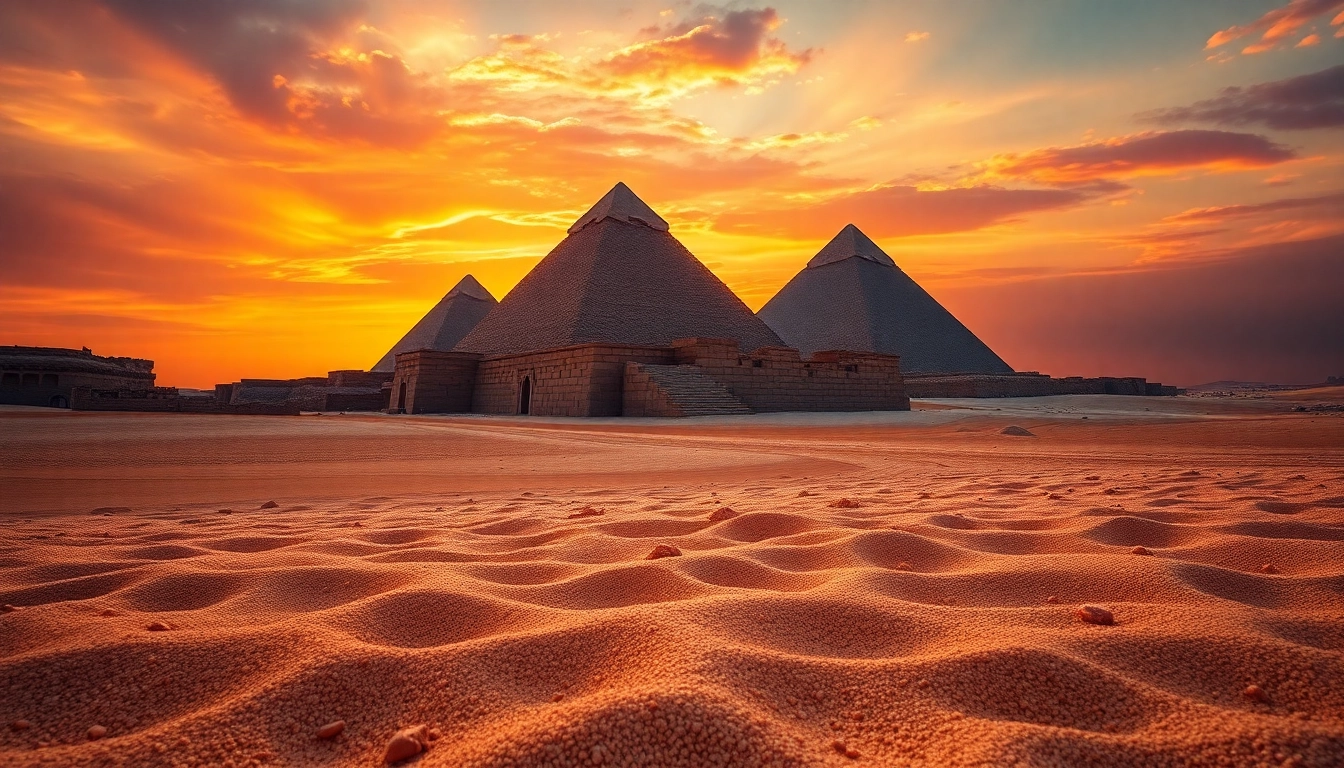
Understanding the Significance of the Pyramids
The pyramids not only serve as magnificent structures that dominate the skyline of Egypt but also represent the zenith of ancient Egyptian civilization. Built as monumental tombs for pharaohs, they encapsulate the historical, cultural, and religious significance of a society that thrived thousands of years ago. For more comprehensive insights, you can visit https://piraminds.com/.
Historical Context and Construction
The construction of Egyptian pyramids began during the Third Dynasty with the reign of Pharaoh Djoser, whose Step Pyramid is a precursor to the more famous smooth-sided pyramids. Over the centuries, pyramid construction evolved, achieving its peak with the Great Pyramid of Giza, built for Pharaoh Khufu. These monumental projects required advanced planning, robust labor forces, and innovative engineering techniques. Recent archaeological studies have uncovered the various methods employed in pyramids' construction, including the transportation of massive stones over long distances and the intricate organization of labor.
Cultural Importance in Ancient Egypt
Beyond their function as tombs, pyramids symbolize the ancient Egyptian belief in the afterlife. They were constructed to facilitate the transition of the pharaoh from the earthly realm to the spiritual world, ensuring eternal life. This cultural significance extended to the design of accompanying temples and mortuary complexes. Furthermore, pyramids served as religious centers, drawing worshippers and pilgrims who participated in ritual and commemoration.
Modern Discoveries Related to Pyramids
In recent years, advancements in technology have led to remarkable discoveries regarding the pyramids. Techniques such as ground-penetrating radar have revealed hidden chambers and tunnels within these structures, offering new insights into their construction and purpose. These modern findings are continuously reshaping our understanding of ancient Egyptian society, religious practices, and architectural brilliance.
The Architecture Behind the Pyramids
Structural Design and Materials Used
The architectural design of the pyramids is a marvel of engineering. Most pyramids were built using large limestone and granite blocks, with some layers of casing stones crafted to create smooth, aesthetically pleasing surfaces. The Great Pyramid, for example, consists of approximately 2.3 million blocks and originally stood around 146.6 meters tall. The precise alignment of the pyramids with celestial bodies showcases the Egyptians' sophisticated knowledge of astronomy and geometrical principles, reflecting their complex worldview.
Engineering Techniques of the Ancient Egyptians
The construction of pyramids involved innovative engineering techniques that allowed the ancient Egyptians to move and position massive stones. Evidence suggests that they used sledges lubricated with water to transport stones from quarries. Additionally, ramps were employed during construction to raise blocks to the needed height, demonstrating a high level of practical knowledge in logistics and resource management.
Advances in Pyramid Construction Research
Ongoing research into pyramid construction techniques has yielded new insights into how these grand monuments were built. Studies suggest a combination of skilled labor and a communal workforce, likely involving thousands of laborers who were well-fed and housed near construction sites. Such discoveries challenge earlier narratives that depicted the builders as slaves, indicating instead a more complex societal structure surrounding pyramid construction.
Exploring Different Types of Pyramids
Egyptian Pyramids: Giza and Beyond
The Pyramids of Giza, featuring the Great Pyramid, are the most renowned, but numerous other pyramids exist throughout Egypt. These include the Bent Pyramid and the Red Pyramid, both located at Dahshur, illustrating the architectural progression from step-sided to smooth-sided pyramids. Each structure reflects the period's technological achievements and the reigning pharaoh's religious beliefs, showcasing different construction styles and materials.
Nubian Pyramids: A Comparative Study
While Egyptian pyramids are world-famous, Nubian pyramids represent a significant architectural tradition in neighboring regions, particularly in present-day Sudan. These smaller, steeper, and often constructed from sandstone reflect a differing cultural appreciation. The Nubian pyramids served similar religious purposes and were built in large numbers, influencing our understanding of African architectural traditions and their relation to Egyptian practices.
Significance of Pyramid Variations Across Cultures
The variations in pyramid designs and cultures highlight the adaptation of architectural styles to suit local beliefs and environmental factors. For instance, Mesoamerican pyramids, such as those in the Maya civilization, served differing purposes including temples and ceremonial spaces, reflecting the underlying religious themes and social structures. Analyzing these differences fosters a greater appreciation of how ancient societies utilized pyramid structures as symbols of power, spirituality, and cultural identity.
Impact of Tourism on Pyramid Preservation
Challenges Faced by Heritage Sites
Tours and visits to the pyramids significantly contribute to Egypt's economy but also pose challenges to their preservation. Issues such as pollution, physical wear from foot traffic, and potential damage from tourism infrastructure underscore the tension between promoting tourism and safeguarding these irreplaceable structures. Responsible management approaches must be adopted to balance heritage conservation with economic needs.
Guidelines for Responsible Tourism
To mitigate the negative impacts of tourism on pyramids, several guidelines can be implemented. Tour operators should educate visitors on appropriate behaviors, such as maintaining distance from structures, avoiding climbing, and respecting sacred sites. Additionally, limiting visitor numbers at critical times can help protect the integrity of these ancient monuments, ensuring they endure for generations to come.
Preservation Efforts and Future Outlook
Various national and international organizations are engaged in efforts to preserve the pyramids. Restoration projects aim to address deterioration while maintaining historical accuracy. Increasing public awareness and financial support for preservation initiatives is crucial to ensuring these monuments are safeguarded against the effects of time and tourism. Collaborative efforts between governments, NGOs, and communities are vital for a sustainable future.
Debunking Myths about Pyramid Construction
Common Misconceptions Explored
Numerous myths surround the construction of the pyramids, such as the belief that they were built by slaves. Recent research has debunked many of these ideas, presenting evidence of a skilled workforce that included seasonal laborers who worked on the pyramids as part of a national project. Understanding these corrections reveals more about ancient Egyptian society and its values.
What Recent Research Reveals
The latest discoveries provide clarity on how the pyramids were constructed and the social dynamics at play. Excavations of workers' villages near the pyramids have revealed insights about their living conditions, indicating they were well-cared for and likely engaged in communal building tasks that fostered a strong sense of identity and pride in their work.
The Role of Public Fascination in Pyramid Mythology
The enduring fascination with the pyramids has birthed a variety of myths and theories regarding their origins and purpose. This interest stems not only from their grandeur but also from an inherent human attraction to enigmas. As researchers continue to unveil new findings, the collective understanding of the pyramids expands, paralleling the evolving narrative of human history itself.
Frequently Asked Questions
1. Why were the pyramids built?
The pyramids were primarily built as monumental tombs for pharaohs, reflecting their power and facilitating their transition to the afterlife.
2. How were the stones transported?
Stones were likely transported on sledges lubricated with water, reducing friction and allowing easier movement over sand and uneven terrain.
3. What is the largest pyramid in Egypt?
The Great Pyramid of Giza, built for Pharaoh Khufu, is the largest and most well-known pyramid, originally standing at about 146.6 meters tall.
4. How do Nubian pyramids differ from Egyptian pyramids?
Nubian pyramids are generally smaller, have steeper sides, and were built from sandstone, differing in architectural style and cultural significance.
5. What challenges do pyramids face from tourism?
Tourism can result in physical wear, pollution, and infrastructural pressure, necessitating management strategies for effective preservation.