Introduction to Morocco Travel
Morocco, a land where the winds of time sweep through vibrant souks, majestic mountains, and the whispering sands of the Sahara, captivates travelers with its unique blend of history, culture, and adventure. As you embark on your morocco travel, you will discover a country that is as diverse as it is enchanting, offering experiences that are vividly rich and beautifully varied.
The Allure of Morocco
The allure of Morocco lies in its ability to transport visitors to a realm that feels both timeless and ever-changing. From the bustling streets of Marrakech to the tranquil dunes of the Sahara, each region has its own character, history, and style. The distinct architecture of riads, the aroma of spices wafting through street stalls, and the warmth of local hospitality all weave together to create a magnetic tapestry that enchants every traveler.
One cannot overlook Morocco's rich cultural heritage, which blends Berber, Arabic, and French influences, reflected in everything from its culinary delights to its art and architecture. This cultural fusion offers an exciting opportunity for travelers seeking to immerse themselves in a world steeped in tradition yet alive with modern influences.
Key Attractions for Morocco Travel
As you plan your journey through Morocco, several key attractions should top your itinerary:
- Marrakech: Known as the ‘Red City’, Marrakech is famous for its vibrant markets, palaces, and gardens. The medina, a UNESCO World Heritage site, buzzes with life, showcasing stunning examples of Moroccan craftsmanship.
- Fes: Fes is home to one of the world’s oldest universities and has a medina that feels like stepping back in time. The intricate tile works and leather shops here are a testament to Morocco's artisanal flair.
- The Sahara Desert: A visit to Morocco is not complete without experiencing the vast expanses of the Sahara. Camel trekking and stargazing are must-do activities to truly appreciate the desert's serenity.
- Chefchaouen: Renowned for its blue-washed buildings, this mountain-town is both Instagram-worthy and a peaceful retreat, nestled in the Rif Mountains.
- Essaouira: This coastal city combines historical heritage with beautiful beaches, famous for windsurfing and the relaxing sound of waves crashing against ancient fortifications.
Planning Your Morocco Travel
Embarking on a journey to Morocco requires careful planning to ensure a fulfilling experience. Here are some essential tips to guide you through the logistics of your trip.
Best Times to Visit Morocco
The best times to visit Morocco largely depend on the regions you wish to explore and the activities you want to engage in. Generally, spring (March to May) and autumn (September to November) offer ideal weather—temperate and pleasant—for most destinations. Summer can be sweltering, particularly in the interior and southern regions, while winter can bring chilly temperatures, especially in the mountainous areas.
Essential Travel Tips for Morocco
To maximize your travel experience in Morocco, consider the following tips:
- Dress modestly: Morocco is a predominantly Muslim country. Dressing modestly will show respect for local customs and help you feel more comfortable.
- Learn a few phrases: While many Moroccans speak French and some English, learning basic Arabic or Berber phrases can enhance your interactions and show appreciation for the culture.
- Negotiate: Haggling is a common practice in Moroccan markets. Don’t hesitate to negotiate prices, as it’s part of the shopping experience.
- Stay hydrated: Especially in the hotter months, keep yourself hydrated, particularly when exploring the desert and rural areas.
Budgeting for Your Trip
Understanding the financial aspect of your trip is crucial. Morocco is relatively affordable compared to many Western destinations. Budget travelers can find accommodation, meals, and transportation at reasonable prices. However, to enjoy a more luxurious experience, such as staying in a riad or indulging in fine dining, budget accordingly. Here’s a rough breakdown:
- Accommodation: Ranges from budget hostels at $10-30 per night to upscale hotels at $100 and above.
- Meals: Street food can cost as little as $1-3, while dining in a good restaurant can range from $10-50 per person.
- Transportation: Buses and trains are economical. Expect to pay around $5-15 for intercity travel, with private taxis costing more.
Top Destinations for Morocco Travel
Must-See Cities: Marrakech and Fes
Marrakech and Fes are the crown jewels of Morocco, offering visitors an exhilarating blend of ancient history and modern vibrancy.
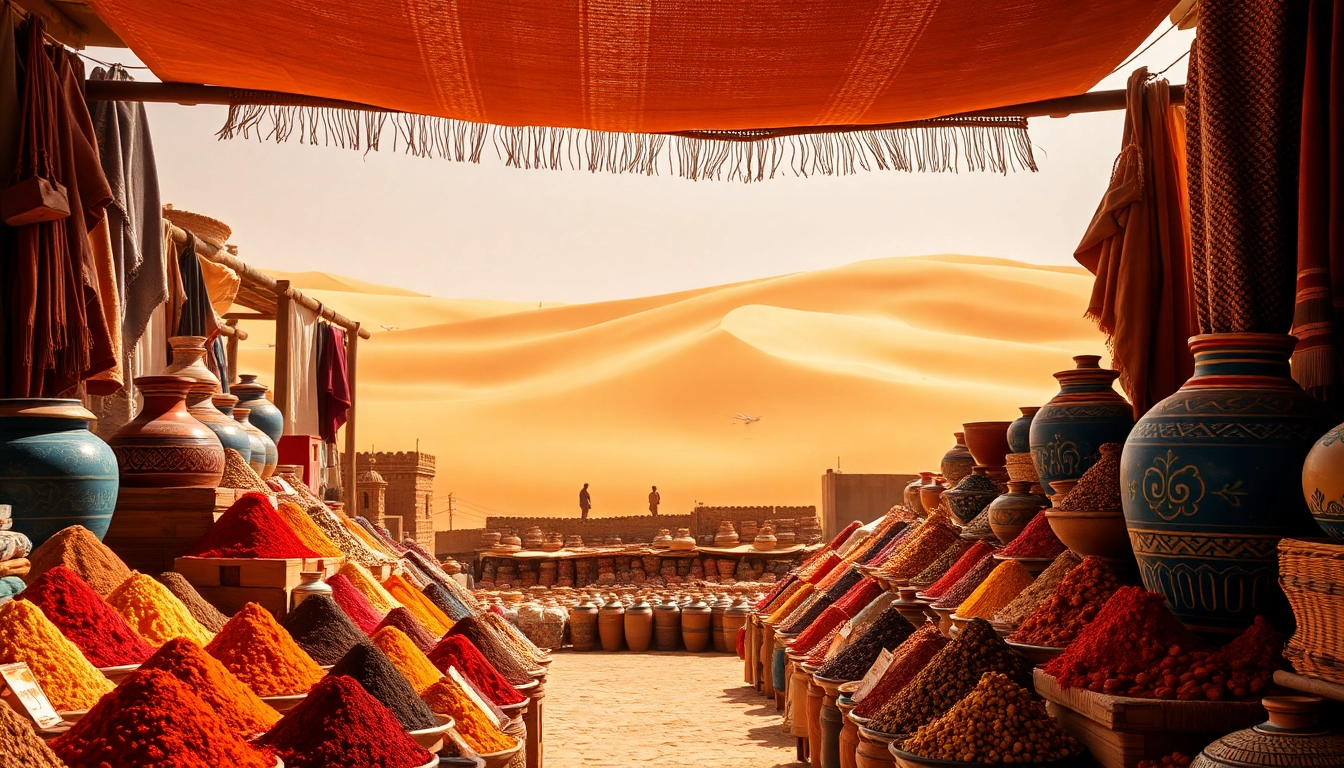
Marrakech is famed for its Medina, the heart of the city, featuring the lively Djemaa el-Fnaa square. Here, you can see snake charmers, street performers, and vendors selling a kaleidoscope of goods. Explore the breathtaking Jardin Majorelle and the intricately designed Bahia Palace. Shopping amidst the colorful souks is an experience that appeals to all senses with its filled bazaars and an array of handicrafts, from leather goods to handwoven carpets.
Fes is often considered the spiritual capital of Morocco. Its ancient medina, Fes el-Bali, is a labyrinth of alleyways, historic mosques, and vibrant markets. Take time to visit the Bou Inania Madrasa and the famous tanneries, where the ancient process of leather production can be observed. Fes is particularly known for its rich intellectual heritage, so visiting the University of Al Quaraouiyine, recorded in UNESCO’s Heritage List, is a must.
Exploring the Sahara Desert
The Sahara Desert is a natural wonder that holds an irreplaceable place in Morocco's identity. The golden dunes of Erg Chebbi or Erg Chigaga create fantastical landscapes that change with the sun. Visitors can embark on camel trekking excursions, which frequently include overnight camping under a star-filled sky—a serene experience that feels otherworldly.
While in the Sahara, consider engaging in sandboarding or 4x4 excursions to traverse the dunes more rapidly. Traditional Berber music and rich storytelling around the campfire offer another layer to your desert experience, connecting you with the ancient lives of the inhabitants of this vast landscape.
Coastal Gems: Essaouira and Agadir
Morocco's coastline is dotted with charming cities that provide a delightful combination of relaxation and entertainment.
Essaouira stands out with its bohemian atmosphere, vibrant art scene, and stunning coastal views. Visit the historic medina that showcases a unique mix of Portuguese and Berber architecture. The city is also known for its fresh seafood, particularly grilled catch-of-the-day served along the harbor front. With its cool Atlantic breezes, Essaouira is perfect for activities like kitesurfing and windsurfing, attracting water sports enthusiasts from around the world.
Agadir boasts miles of beautiful sandy beaches and a more modern resort feel, appealing to those looking to unwind by the sea. The city offers an array of beachfront activities, from beach volleyball to luxurious spa treatments. Agadir’s Souk El Had is a great place to shop for handicrafts and try local snacks in a lively setting. Sunset walks on the promenade are a must for those seeking a tranquil end to the day.
Experiencing Moroccan Culture
Morocco's culture is an enchanting blend of tradition and modernity. To truly appreciate your morocco travel, immersing yourself in the local traditions and customs will provide deeper insights than merely skimming the surface.
Traditional Cuisine to Savor
Moroccan cuisine is as diverse as its geography, with influences from Arabic, Berber, and Mediterranean flavors. Central to every meal is the famous tagine—slow-cooked stews that simmer with a variety of meats, vegetables, and spices. Don’t miss the opportunity to try:
- Couscous: Often served on Fridays, this dish is a staple made from semolina wheat and often accompanied by vegetables and slow-cooked meat.
- Pastilla: A savory pie that combines pigeon or chicken with almonds and spices, wrapped in layers of flaky pastry and topped with cinnamon and sugar.
- Harira: A traditional soup, especially during Ramadan, that combines tomatoes, lentils, chickpeas, and a blend of spices.
Beverages are an important part of the Moroccan dining experience, particularly mint tea, which is served to guests as a gesture of hospitality.
Cultural Festivals and Events
Experiencing local festivals is a wonderful way to witness Moroccan culture firsthand. Several key events take place throughout the year, including:
- Marrakech Popular Arts Festival: Celebrating Moroccan art, music, and dance with performances held in the streets and squares.
- Fes Festival of World Sacred Music: An inspiring blend of sacred music from around the globe, showcasing cultural diversity through performances in historic venues.
- Timitar Festival in Agadir: A celebration of Amazigh culture and music, focusing on local and global performers.
Participating in these festivities allows visitors to engage with local communities and experience the vibrant rhythms of life that define Moroccan culture.
Local Arts and Crafts
The artisan crafts of Morocco are second to none. Each city is known for specific types of crafting, from Fes's pottery to Marrakech's textiles. Markets (souks) are treasure troves where you can witness artisans at work and purchase hand-crafted goods, such as:
- Handwoven Carpets: Each region has its own signature style, showcasing intricate patterns and vibrant colors.
- Leather Goods: Fes is known for its high-quality leather products, including bags, shoes, and traditional slippers (babouches).
- Tilework and Pottery: Beautifully designed ceramics—often in striking blue and white patterns—are common souvenirs and functional homeware.
Adventure Activities in Morocco Travel
Morocco is not just about historical exploration; it is also an adventure-seeker's dream. From mountain trekking to ocean sports, there is no shortage of adrenaline-pumping activities.
Hiking in the Atlas Mountains
The Atlas Mountains offer some of the most stunning landscapes and trekking opportunities in Morocco. Home to the highest peak in North Africa, Mount Toubkal, these mountains attract trekkers from around the world. Various trails cater to different skill levels, with some leading to traditional Berber villages, where you can learn about the local way of life.
While hiking, you'll encounter breathtaking views, cascading waterfalls, and a sense of peace that can only be found in nature. Guided tours can enhance your experience, offering insights into the flora, fauna, and local culture.
Desert Activities: Camel Trekking and Sandboarding
In the Sahara, camel trekking is an unforgettable experience. Riding these gentle giants across the dunes offers a unique perspective of the ever-changing landscape. Many tours combine trekking with camping, allowing you to enjoy sunrises and sunsets that illuminate the desert in shades of gold and crimson.
For the thrill-seekers, sandboarding down the dunes is a must-try! Renting a sandboard can provide hours of fun as you glide down the slopes and take in the spectacular panoramic views.
Water Sports Along the Coast
The diverse coastal regions of Morocco offer ample opportunities for water sports enthusiasts. From surfing in Taghazout to jet skiing in Agadir, there's something for everyone.
Essaouira is famed for its windsurfing and kite surfing due to its consistent winds. Many local schools offer lessons for both beginners and experienced surfers. Similarly, diving and snorkeling can be enjoyed along the coast, revealing rich marine life and submerged treasures.
Whether you're looking for thrill or tranquility, Morocco's landscape provides an ideal backdrop for both adventure and relaxation. The enticing mix of cultural richness and outdoor pursuits ensures a truly unforgettable journey.