Introduction to Wildfire Events
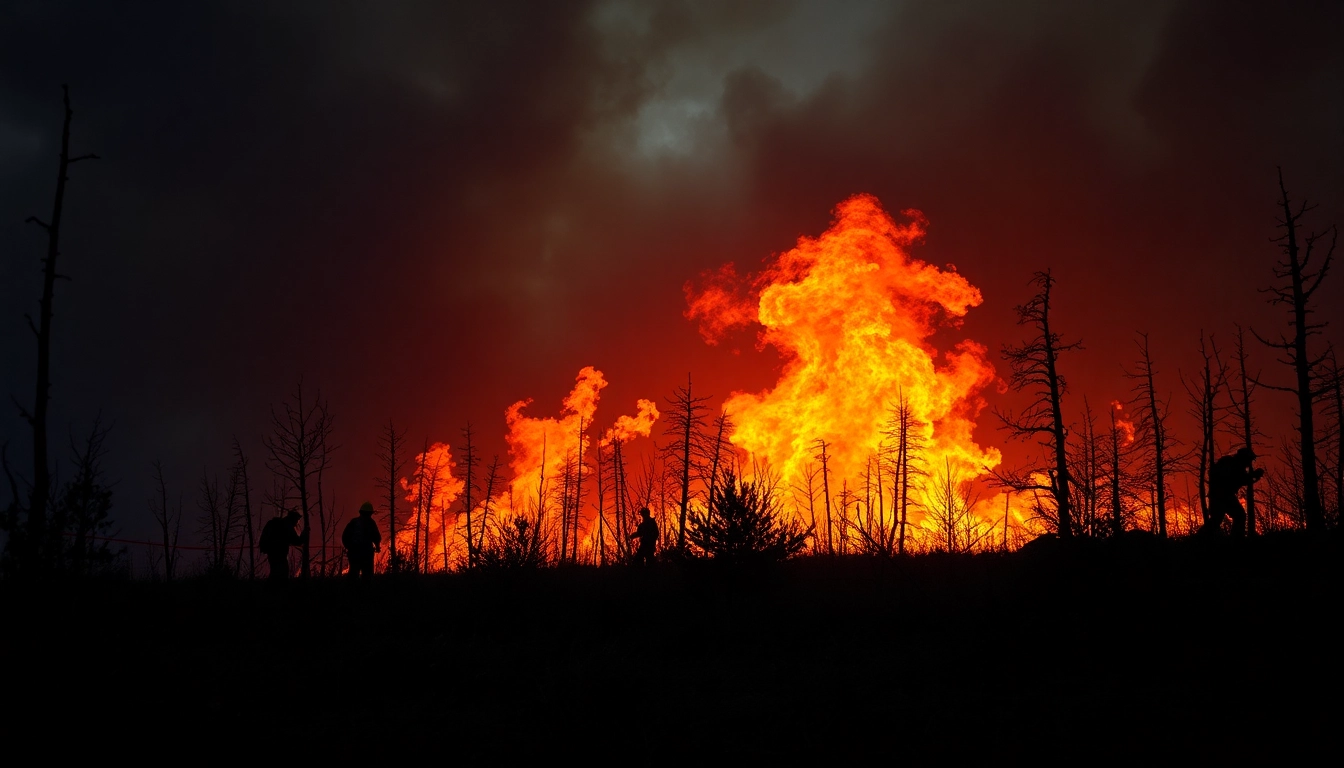
Wildfire events have become increasingly relevant in contemporary discussions surrounding climate change and environmental safety. These uncontrolled fires can lead to devastating impacts on ecosystems, human health, and local economies. Understanding the nature of these events, their causes, and the best preparedness strategies is crucial for individuals and communities alike. The discussion around Wildfire events encompasses various dimensions—from the ecological roles they play to the risks they pose to human life and property.
What Are Wildfire Events?
Wildfire events, also known as wildfires, are uncontrolled fires that ignite in forests, grasslands, or other natural areas. They can be classified as surface fires, crown fires, and ground fires based on their intensity and the vegetation they consume. Wildfires contribute to the natural cycle of forest regeneration, yet uncontrolled ones can result in significant loss of life and property. Understanding the fundamental characteristics of wildfire events is essential for developing response strategies and fire management practices.
Causes of Wildfire Events
Wildfires can arise from both natural and human-induced causes. Natural causes include lightning strikes, which ignite dry vegetation. In contrast, human activities such as campfires, discarded cigarettes, and arson are responsible for a significant proportion of wildfires. Factors such as drought, high temperatures, and wind can exacerbate these incidents, making regions more susceptible to the rapid spread of fire. For example, soaring temperatures and prolonged droughts create tinderbox conditions, leading to an increase in wildfire events.
Understanding the Impact of Wildfire Events
The impacts of wildfire events extend far beyond the immediate ecological destruction. They can lead to soil erosion, loss of wildlife habitats, and a decline in air quality due to smoke and particulate matter. Moreover, exposure to wildfire smoke can pose serious health risks, particularly for vulnerable populations such as children and the elderly. In many instances, communities find themselves grappling with the financial and emotional ramifications long after the fires have been quelled. Evaluating both the short-term and long-term effects of wildfires is essential for informed policy-making and community preparedness.
Types of Wildfire Events
Natural vs. Human-Caused Wildfire Events
The classification of wildfire events can largely be divided into two categories: natural and human-caused. Natural wildfires, often sparked by lightning, can be a vital part of ecosystem management, helping to rejuvenate forests and promote biodiversity. However, human-caused wildfires are generally more frequent and often occur in areas near human settlements. Understanding the differentiation between these types is key to properly addressing the underlying causes of wildfire outbreaks.
Seasonal Patterns in Wildfire Events
Wildfire events tend to follow seasonal patterns depending on regional climates. In the U.S., the western region often sees a spike in wildfires during the summer and fall months when conditions are hottest and driest. In some areas, such as the Mediterranean or parts of Australia, wildfire season occurs in the summer months as vegetation becomes severely dehydrated. Knowledge of these seasonal trends can help communities prepare ahead of time and allocate resources efficiently for fire prevention and management.
Extreme Wildfire Events and Their Characteristics
Extreme wildfire events are characterized by intense heat, rapid spread, and significant destruction. Such events can overwhelm firefighting resources, causing widespread evacuations and acutely detrimental effects on air quality. Climate change has been a significant factor contributing to the increase in the frequency and intensity of these extreme events. For instance, the California wildfires of recent years have illustrated how quickly fires can escalate under favorable weather conditions, leading to catastrophic consequences for both people and wildlife.
Preparing for Wildfire Events
Community Preparedness Measures
Effective firefighting requires robust community preparedness measures. These include creating fire-adapted communities by implementing defensible space, which involves clearing flammable vegetation near homes and structures. Local governments can establish communication systems to inform residents about potential fire threats through alerts and educational programs. Furthermore, community-wide drills and readiness assessments can enhance collective preparedness and response capabilities during wildfire events.
Individual Actions to Take Before a Wildfire Event
Individuals can take proactive steps to minimize the risks associated with wildfire events. Homeowners can follow fire-safe landscaping practices such as using fire-resistant plants and materials. Creating emergency kits with essentials like food, water, and medications can ensure families are prepared for evacuation if necessary. Moreover, staying informed on fire weather warnings and having a personal emergency plan can significantly add to a household's readiness in case of an approaching wildfire.
Evacuation Plans and Safety Protocols
Effective evacuation plans are crucial during a wildfire event. Families should create clear routes and identify multiple exits from their homes and neighborhoods. Designating a meeting place outside the danger zone can also streamline communication during chaotic situations. Furthermore, adhering to local authorities’ guidelines regarding evacuations and safety protocols can save lives. Developing these plans in advance, well before a wildfire event occurs, helps ensure that everyone is on the same page and can respond efficiently when the time comes.
Responding to Wildfire Events
The Role of Firefighters in Wildfire Events
Firefighters play a critical role in managing wildfire events. Their responsibilities encompass controlling the spread of fires, conducting rescues, and protecting homes and critical infrastructure. Their expertise in wildfire behavior and suppression techniques is vital in successfully combating these blazes. Additionally, coordinated efforts with local, state, and federal agencies can maximize resources and improve response times.
Technological Advances in Combating Wildfire Events
Advancements in technology have significantly altered the landscape of wildfire response. Drones equipped with thermal imaging can pinpoint hotspots from above, facilitating targeted firefighting strategies. Satellite imagery provides real-time data on fire spread and weather conditions, making it easier for firefighters to strategize. These technological innovations, alongside traditional firefighting methods, contribute to more effective and timely responses to wildfire events.
Post-Wildfire Recovery Efforts
The aftermath of wildfire events requires dedicated recovery efforts. Restoration of ecosystems and communities often takes years, involving activities such as replanting trees, repairing infrastructure, and providing mental health services to those affected. Community engagement plays a vital role in recovery, where residents can participate in restoration projects and support each other through the rebuilding process. Sustainable practices in post-fire recovery can also strengthen resiliency against future wildfires and improve land management approaches.
FAQs About Wildfire Events
What is the deadliest wildfire event in history?
The Peshtigo Fire in 1871 remains the deadliest wildfire in recorded history, claiming up to 2,500 lives. It is often overshadowed by the Great Chicago Fire, occurring on the same day.
How do climate conditions affect wildfire events?
Climate conditions like drought, high temperatures, and strong winds significantly increase the risk and intensity of wildfire events. These elements create dry conditions that facilitate fire spread.
What can individuals do during a wildfire event?
During a wildfire event, individuals should follow evacuation orders, remain indoors if advised, close windows and doors, and use N95 masks to filter smoke when necessary. Staying updated on local news is also vital.
How does air quality change during wildfire events?
Air quality declines rapidly during wildfire events due to smoke and particulate matter released into the air. This can lead to respiratory issues and prolonged exposure can have severe health effects.
What are the long-term effects of wildfire events on the environment?
Long-term effects include soil degradation, loss of biodiversity, and altered landscapes. Recovery can take years, affecting both ecosystems and human infrastructures surrounding fire-affected areas.