
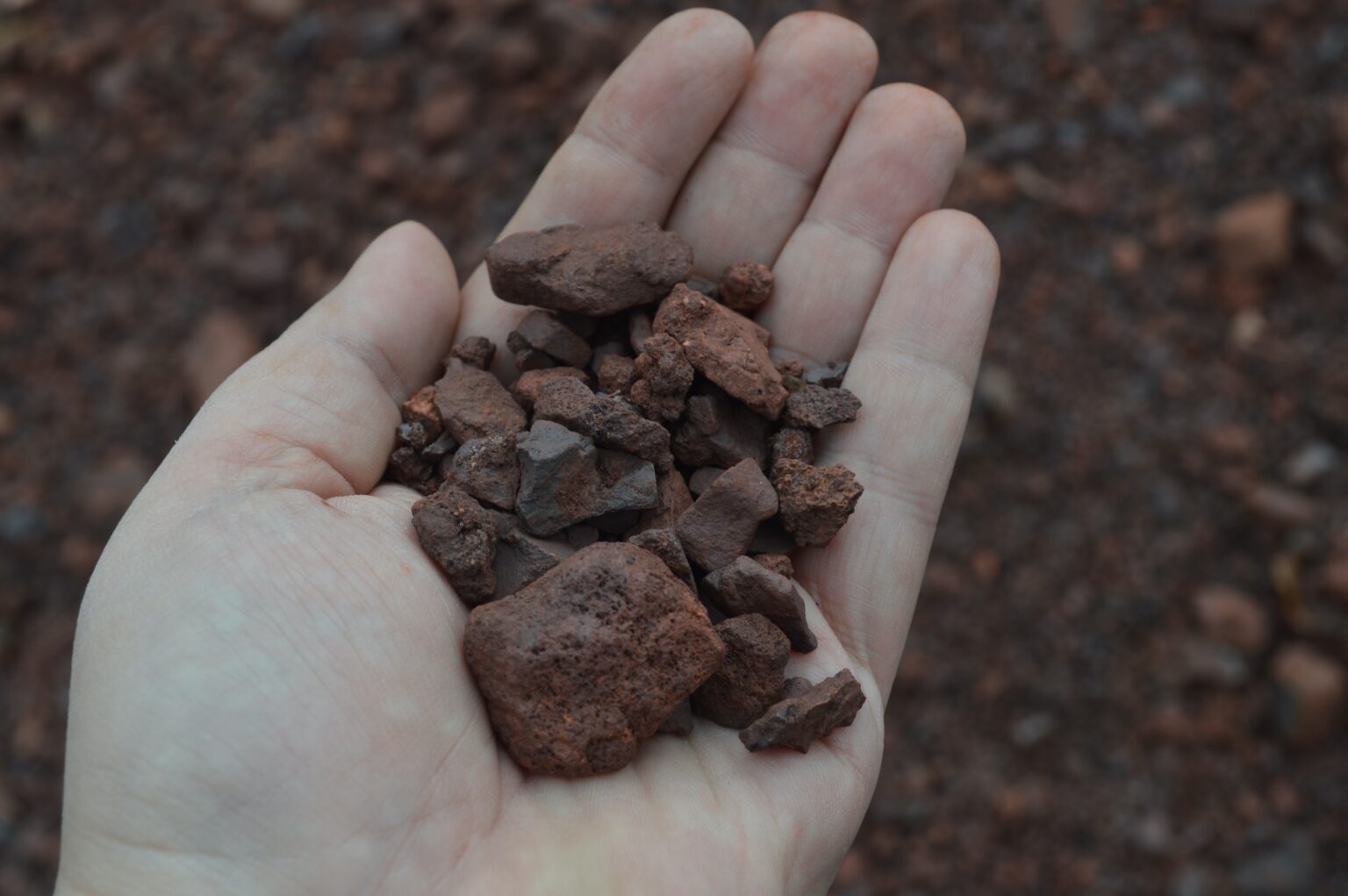
Quality grades play a defining role in how Iron ore is used, processed, and valued in global markets. As manufacturers and steel producers continue to increase production efficiency, the demand for consistent and high-quality Iron ore has intensified. Understanding how grades are determined and how they affect metallurgical performance is essential for buyers seeking cost stability, product reliability, and long-term procurement success.
Why Iron ore Quality Matters
Performance in Steelmaking
Different grades of Iron ore influence furnace behavior, energy usage, and final steel quality. Higher-grade Iron ore offers superior metallurgical performance, requiring less processing and generating fewer impurities. This directly impacts productivity and lowers operational costs for steel mills.
Market Value and Pricing
The global pricing structure is heavily dependent on purity and chemical composition. High-grade Iron ore commands premium prices due to its efficiency benefits. Buyers who understand grading can negotiate smarter contracts and avoid overpriced material.
Key Factors That Determine Iron ore Grades
Iron Content (Fe%)
The most critical quality indicator is iron concentration. Iron ore with 62% Fe is considered a benchmark, while grades above 65% are classified as high-grade and preferred by premium steel producers. Higher iron content reduces waste material and enhances furnace efficiency.
Impurities and Gangue Levels
Silica, alumina, sulfur, and phosphorus levels significantly affect processing. Iron ore with low impurity levels requires less energy and yields stronger, cleaner steel. Reducing gangue also improves sintering performance and minimizes slag formation.
Physical Form: Lumps, Fines, and Pellets
Each form of Iron ore serves a specific industrial purpose:
- Lumps offer stability in blast furnaces.
- Fines require sintering but provide flexible blending options.
- Pellets are processed for uniformity and used in high-efficiency steelmaking.
Understanding these categories helps buyers determine which Iron ore form aligns with their production technology.
Major Quality Categories of Iron ore
High-Grade Iron ore
High-grade Iron ore typically features Fe content above 65% and minimal impurities. It is used by advanced mills aiming for premium steel quality. While more expensive, it delivers superior fuel efficiency and reduces furnace maintenance.
Medium-Grade Iron ore
This category includes the widely traded 62% Fe benchmark. Medium-grade Iron ore strikes a balance between cost and performance, making it the most commonly purchased grade globally.
Low-Grade Iron ore
Low-grade Iron ore contains a higher proportion of contaminants and requires intensive beneficiation. While cheaper, it leads to higher energy consumption and increased slag production. Buyers often blend this grade with higher-quality materials to maintain furnace stability.
How Iron ore Grades Affect Industrial Output
Efficiency and Energy Consumption
High-quality Iron ore supports faster melting, better heat retention, and reduced coke usage. This results in consistent furnace temperatures and improved energy efficiency—critical factors in cost-sensitive steelmaking operations.
Steel Strength and Durability
Impurities in Iron ore influence the mechanical properties of steel. High-purity material contributes to stronger and more resilient steel, essential for construction, automotive, and heavy engineering applications.
Environmental Impact
The cleaner the Iron ore, the fewer emissions it generates during processing. Environmentally conscious producers increasingly prioritize low-impurity material to meet global sustainability standards.
The Role of Testing and Certification in Iron ore Procurement
Chemical and Physical Testing
Reliable chemical analysis ensures that Iron ore meets industrial specifications. Physical testing evaluates moisture content, size distribution, and bulk density—all crucial for transportation and furnace compatibility.
Compliance With International Standards
Certified Iron ore provides guarantees of quality, enabling buyers to reduce risks. Certification also supports smoother customs clearance and stronger supplier accountability.
Strategic Approaches for Purchasing Iron ore Based on Grade
Aligning Grade With Production Technology
Blast furnaces, direct reduction plants, and electric arc furnaces each require specific Iron ore qualities. Matching grade to equipment type prevents inefficiencies and avoids unnecessary costs.
Blending for Cost Optimization
Many manufacturers blend different grades of Iron ore to reach the desired chemical balance while controlling expenses. Strategic blending maximizes flexibility and stabilizes furnace performance.
Securing Reliable High-Quality Supply
As demand for high-grade Iron ore grows, competition increases. Long-term partnerships with verified suppliers ensure consistent access to preferred grades, preventing disruptions and unexpected price hikes.
How Crossover 5 Supports Grade-Specific Iron ore Procurement
Verified Quality and Consistent Standards
Crossover 5 collaborates with trusted mining partners to deliver Iron ore that meets strict grade requirements. Each shipment undergoes thorough inspection to ensure accuracy and dependability.
Data-Driven Grade Selection
Using advanced analytics, Crossover 5 helps buyers identify the most suitable Iron ore grade for their production needs. This results in better cost control and improved operational performance.
Streamlined Logistics for Grade Stability
Proper handling and transport preserve the integrity of Iron ore grades. Crossover 5 oversees logistics to prevent contamination, moisture issues, and degradation during transit.
Conclusion
Understanding Iron ore quality grades is essential for achieving optimal performance, cost efficiency, and reliability in steel production. From purity and chemical composition to physical form and industrial application, each factor influences how effectively the material performs in manufacturing. By choosing the right grade and working with trusted partners like Crossover 5, businesses can secure consistent, high-value Iron ore that enhances productivity and strengthens long-term operational success.