Overview of Structural Steel Fabrication
Structural steel fabrication is a crucial aspect of modern construction, encompassing a series of processes that transform raw steel materials into functional components used in various structures. From bridges and buildings to industrial plants, the significance of structural steel cannot be overemphasized. It provides strength, durability, and flexibility that other materials often lack. As the demand for robust construction solutions increases, many companies specialize in structural steel fabrication, delivering products and services that cater to both residential and commercial projects.
What is Structural Steel Fabrication?
At its core, structural steel fabrication involves the process of converting raw steel into finished products that meet specific engineering and architectural requirements. This process includes cutting, bending, assembling, and welding steel components into a comprehensive and functional structure. Skilled fabricators must accurately translate design specifications into physical components while adhering to industry standards and safety regulations.
The Importance of Structural Steel in Construction
Structural steel plays a pivotal role in construction due to its unparalleled strength-to-weight ratio. This material not only provides structural support for various applications but also allows for the creation of complex architectural designs. Additionally, structural steel is resistant to many environmental stresses such as fire, rot, and pests, making it a preferred choice across various industries.
Common Applications of Fabricated Steel Components
Fabricated structural steel components are used in a variety of applications, including:
- Buildings: High-rise towers, commercial facilities, and residential structures heavily utilize steel for their frameworks.
- Bridges: Steel's strength enables the construction of durable and long-lasting bridges that can withstand substantial loads.
- Industrial Facilities: Factories and plants often rely on structural steel for frameworks that support heavy machinery and equipment.
- Infrastructure: Steel is crucial in public works, such as stadiums, airports, and transportation hubs.
The Fabrication Process Explained
Steps Involved in Structural Steel Fabrication
The fabrication process can be broadly categorized into several key steps:
- Design and Engineering: Fabricators collaborate with architects and engineers to produce detailed calculations and layouts.
- Material Selection: Choosing the appropriate grade and type of steel based on project specifications.
- Cutting: Steel sections are cut to precise sizes using different cutting techniques such as saws, lasers, or plasma cutting.
- Bending: Steel is bent to shape using hydraulic press brakes or other bending tools.
- Welding and Assembly: Combining pieces through welding or bolting, following strict guidelines to ensure structural integrity.
- Finishing: Applying protective coatings, such as paint or galvanization, to enhance durability and appearance.
- Inspection and Quality Control: Rigorous testing and inspections are conducted to ensure the final product meets all specifications.
Materials Used in Structural Steel Fabrication
The materials used in structural steel fabrication primarily involve different grades and types of steel, including:
- Mild Steel: Commonly used due to its ductility and strength.
- High-Strength Steel: Provides higher tensile strength and is used for load-bearing applications.
- Weathering Steel: A corrosion-resistant steel that develops a protective patina over time, ideal for outdoor structures.
Tools and Equipment for Efficient Fabrication
Several tools and equipment are essential for efficient structural steel fabrication:
- Cutting Tools: Including saws, plasma cutters, and laser cutting machines to achieve precise cuts.
- Bending Machines: Hydraulic and mechanical press brakes that facilitate accurate bending of steel sheets and plates.
- Welding Equipment: MIG, TIG, and arc welding machines used to join steel components securely.
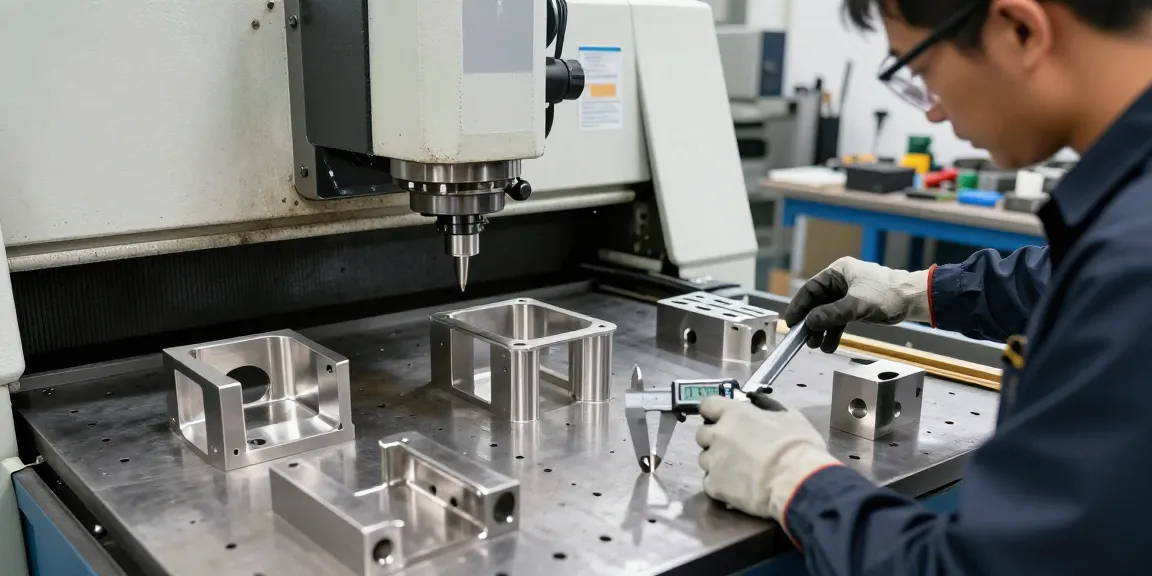
- Quality Control Tools: Instruments for measuring dimensions, checking alignments, and testing weld integrity.
Methods and Best Practices
Cutting Techniques: Laser, Waterjet, and More
The cutting phase is fundamental in structural steel fabrication, and several advanced techniques have emerged:
- Laser Cutting: Offers high precision and the ability to cut intricate designs without leaving a rough edge.
- Waterjet Cutting: Utilizes high-pressure streams of water mixed with abrasives to achieve clean cuts with minimal heat distortion.
- Plasma Cutting: An efficient method for cutting thick steel plates with speed and accuracy.
Welding Methods and Safety Practices
Welding is key in structural steel fabrication, and various methods can be employed, including:
- MIG Welding: Excellent for versatile applications and thin materials, allowing for fast processing.
- TIG Welding: Ideal for precision welding, offering clean and strong welds for critical joints.
- Arc Welding: Commonly used in heavy steel fabrication due to its ability to join thick sections.
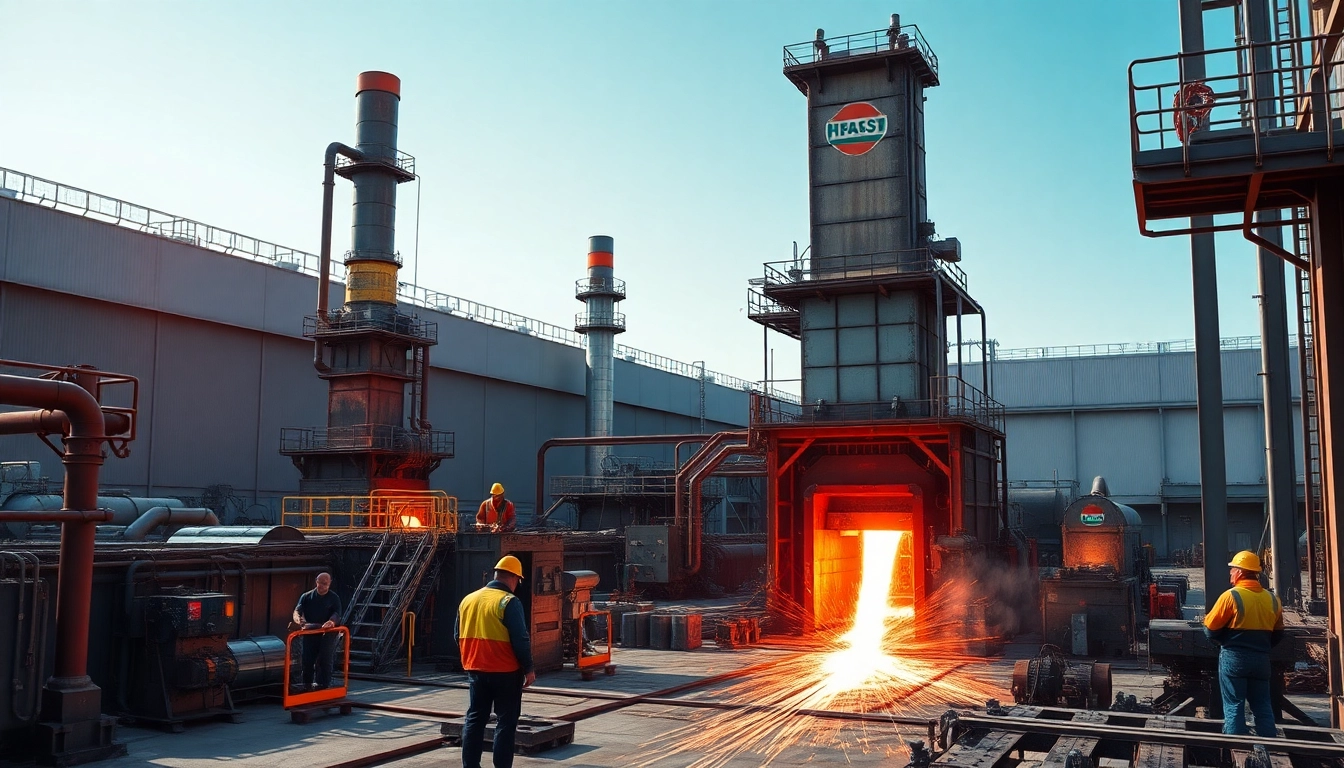
Safety practices during welding are essential to protect workers. These include wearing personal protective equipment (PPE), ensuring proper ventilation, and following safety protocols to minimize fire hazards.
Quality Control Measures in Steel Fabrication
Ensuring high quality in structural steel fabrication requires rigorous quality control measures. Some common practices include:
- In-Process Inspections: Regular checks during fabrication to verify that all dimensions and specifications are met.
- Material Certification: Obtaining certificates to confirm that materials conform to required standards.
- Final Inspections: Thorough evaluation of finished products to ascertain readiness for installation and structural integrity.
Understanding Market Trends
Current Market Size and Forecast for Structural Steel
The structural steel fabrication market is on a notable growth trajectory. Valued at approximately USD 87.6 billion in 2024, the market is projected to reach USD 120.8 billion by 2031, growing at a CAGR of 4.7%. Factors such as urbanization, infrastructure development, and a resurgence in manufacturing processes greatly influence this expansion.
Key Factors Impacting the Structural Steel Sector
Several key factors are shaping the landscape of the structural steel sector:
- Technological Advancements: The integration of automation and robotics in fabrication processes enhances speed and efficiency.
- Sustainability Concerns: A push toward eco-friendly practices has led to the increased use of recycled materials and energy-efficient manufacturing techniques.
- Global Economic Conditions: Economic trends affect construction spending and, consequently, demand for steel fabrication services.
Innovations Driving Change in Steel Fabrication
Innovation continues to play a crucial role in the advancement of steel fabrication. Some notable trends include:
- Digital Fabrication: The adoption of software for Design for Manufacturing (DFM) enhances collaboration among stakeholders and improves efficiency.
- Advanced Materials: Research into high-performance steel alloys provides stronger and lighter alternatives for various applications.
- Building Information Modeling (BIM): BIM tools support more accurate project planning and execution, reducing waste and increasing precision.
Choosing the Right Fabricator
Criteria for Selecting a Structural Steel Fabricator
Choosing the right fabricator is critical for the successful completion of any structural steel project. Key criteria to consider include:
- Experience and Expertise: Look for fabricators with extensive industry experience and a portfolio of completed projects that align with your needs.
- Quality Certifications: Ensure that the fabricator holds relevant certifications that affirm their commitment to quality standards.
- Reputation and References: Seek reviews and feedback from previous clients to gauge reliability and capability.
Questions to Ask Before Hiring a Fabrication Service
Before finalizing a contract with a fabricator, consider asking the following questions:
- What is your typical lead time for projects of this scope?
- How do you handle deviations from project specifications?
- What types of warranties or guarantees do you provide on your work?
Common Mistakes to Avoid in Steel Fabrication Projects
Avoiding common pitfalls in the fabrication process can help ensure project success:
- Neglecting Quality Control: Skipping inspections can lead to costly rework and project delays.
- Inadequate Project Planning: Failing to develop a comprehensive plan can result in misalignment among teams and inefficiencies.
- Overlooking Material Specifications: Using the wrong type or grade of steel can compromise structural integrity and lead to safety issues.