Introduction to the Manaslu Circuit Trek
The Manaslu Circuit Trek is one of Nepal's most enchanting and challenging trekking experiences, capturing the essence of the Himalayas through its stunning vistas, rich cultural tapestry, and incredible biodiversity. This trek, which spans approximately 177 kilometers (110 miles), offers trekkers an opportunity to explore the remote landscapes around the eighth-highest mountain in the world, Mount Manaslu (8,163m). As it is still relatively lesser-known compared to other famous treks like the Annapurna Circuit, the Manaslu Trek provides a more secluded and tranquil experience for adventure enthusiasts. From the awe-inspiring mountain passes to the charming local villages, this trek stands out as an unforgettable journey into the heart of the Himalayas, promising breathtaking panoramas and a deep connection with nature.
For those intrigued by this beautiful adventure, the manaslu circuit trek is not only a physical challenge but an enriching cultural experience that embodies the spirit of Nepal.
1. Overview of the Trek
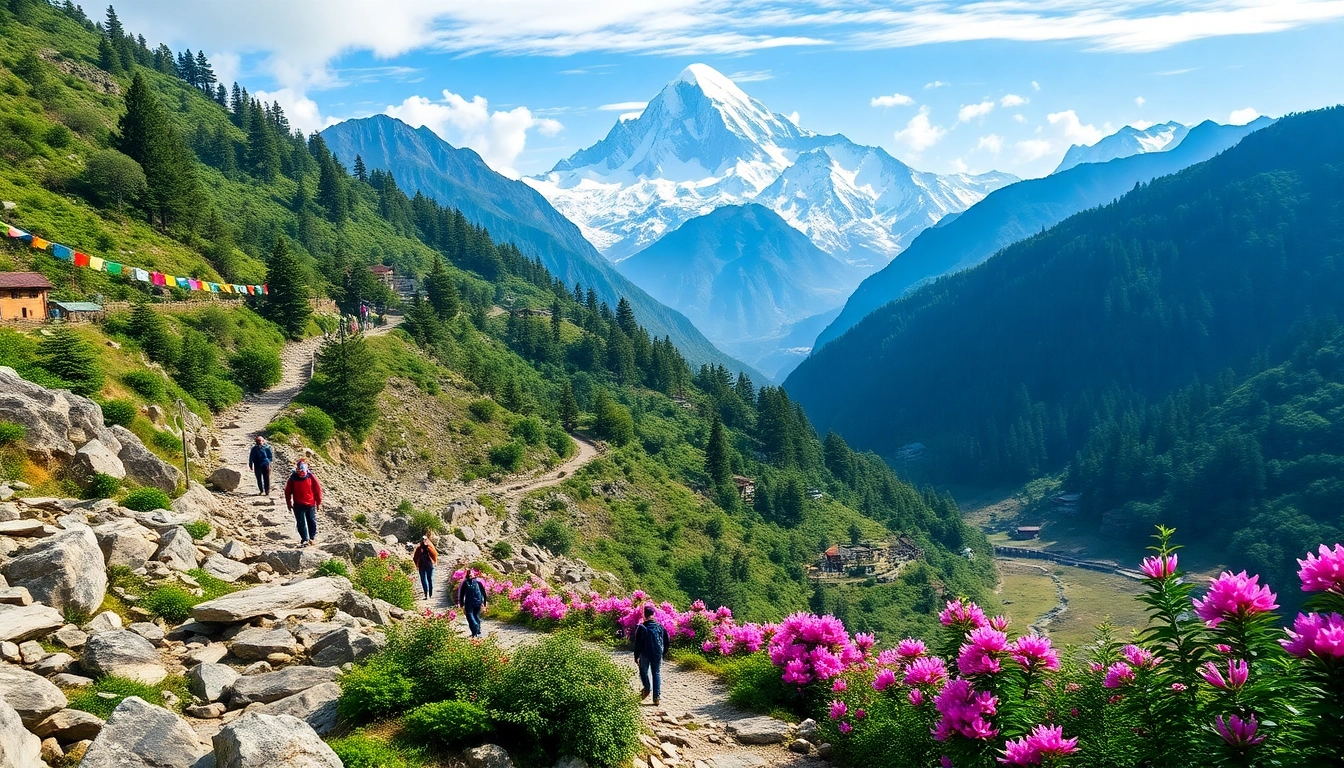
The Manaslu Circuit Trek is renowned for its breathtaking scenery, ranging from lush subtropical forests to high-altitude desert landscapes. The trek typically takes about 15 days, during which trekkers navigate through diverse terrains, encounter charming local communities, and experience the unique Tibetan culture that permeates the region. The adventure begins in the capital city of Kathmandu and winds its way through the picturesque Gorkha district, where ancient monasteries and prayer flags dot the landscape.
2. Importance of the Manaslu Circuit Trek in Nepal
This trek holds significant cultural and environmental value as it traverses the Manaslu Conservation Area, which is home to a wide variety of flora and fauna, including endangered species like the red panda and snow leopard. Moreover, the trek promotes sustainable tourism by controlling visitor numbers and providing economic benefits to local communities reliant on cultural and eco-tourism.
3. Key Highlights and Attractions
- The spectacular views from Larkya La Pass, offering a panoramic vista of snow-capped peaks, including Mount Manaslu.
- The serene environment of villages like Samagaon and Lho, where you can experience authentic Himalayan culture.
- Birendra Lake and Manaslu Base Camp, accessible during the acclimatization day, allowing trekkers to witness the majestic mountain up close.
- The diverse landscapes ranging from lush valleys to arid mountain terrains, showcasing the geological beauty of the region.
Planning Your Adventure: Itinerary and Preparations
1. Detailed 15-Day Itinerary Breakdown
The standard itinerary for the Manaslu Circuit Trek is structured to provide ample acclimatization and a thorough exploration of the highlights along the way. Here’s a breakdown of the 15-day journey:
- Day 1: Arrival in Kathmandu and transfer to your hotel.
- Day 2: Drive to Machha Khola, which takes roughly 8-10 hours.
- Day 3: Trek from Machha Khola to Jagat (6-7 hours).
- Day 4: Trek from Jagat to Deng (6-7 hours).
- Day 5: Trek from Deng to Namrung (7-8 hours).
- Day 6: Trek from Namrung to Lho (3-4 hours).
- Day 7: Trek from Lho to Samagaon (3-4 hours).
- Day 8: Acclimatization day at Samagaon with options to hike to Birendra Lake or Manaslu Base Camp (7-8 hours).
- Day 9: Trek from Samagaon to Samdo (3-4 hours).
- Day 10: Trek from Samdo to Dharmashala (4-5 hours).
- Day 11: Trek to Bimthang via Larkya La Pass (8-9 hours).
- Day 12: Trek from Bimthang to Goa (5-6 hours).
- Day 13: Trek from Goa to Dharapani (3-4 hours).
- Day 14: Drive back to Kathmandu (10-12 hours).
- Day 15: Transfer to the airport for your departure.
2. Essential Packing List for the Manaslu Circuit Trek
Proper preparation greatly enhances the trekking experience. Here’s a comprehensive packing list for the Manaslu Circuit:
- Base layers (thermal tops and bottoms)
- Insulating layers (fleece jackets or down jackets)
- Waterproof and windproof outer layers (jackets and pants)
- Hiking pants and shorts
- Comfortable trekking shirts
- Warm hat and gloves
- Sun hat and sunglasses
- Hiking boots and gaiters
- Camp shoes or sandals
- Daypack (30-40 liters)
- Sleeping bag (rated for -15 °C / 5 °F)
- Trekking poles
- Water purification system (tablets or filter)
- Personal first-aid kit
- Camera and spare batteries
- Personal hygiene items (toilet paper, hand sanitizer)
- Sunblock and lip balm
- Hydration system (water bottles or hydration bladder)
- Portable charger or power bank for electronics
3. Permits and Regulations: What You Need to Know
Trekkers need to acquire specific permits to access the Manaslu region, which includes:
- Manaslu Conservation Area Permit (MCAP)
- Manaslu Restricted Area Permit (MRAP)
- Trekkers Information Management System (TIMS) Permit
- Annapurna Conservation Area Permit (ACAP)
These permits ensure that tourism remains sustainable and that the unique cultural landscape is preserved. It is recommended to secure these permits through a recognized trekking agency in Nepal.
Understanding the Terrain and Difficulty Level
1. Terrain Types and Trail Conditions
The Manaslu Circuit features a variety of trail conditions that range from well-marked paths through lush forests to rugged, steep ascents over rocky terrain. Trekkers should expect to cross rivers via suspension bridges, traverse narrow paths along cliffs, and navigate through charming villages.
While the trails are generally well-maintained, some sections may be challenging due to weather conditions or the rugged nature of the Himalayan terrain. Proper footwear is essential for maintaining stability and safety throughout the journey.
2. Difficulty Level Assessment: Are You Ready?
This trek is rated as moderate to challenging, suitable for those with a good level of physical fitness and prior trekking experience. Trekkers should be prepared for long days on the trail, averaging 5–8 hours of walking daily, and acclimatize properly to avoid altitude sickness.
Engaging in physical training activities like hiking, running, and cycling in the lead-up to the trek will enhance your stamina and endurance. Additionally, consult with a healthcare professional to assess your readiness for high-altitude trekking.
3. Acclimatization Tips for High Altitude
Acclimatization is vital when trekking at high altitudes. Here are some tips to help you adjust:
- Stay hydrated by drinking ample amounts of water.
- Avoid alcohol and smoking, which can hinder acclimatization.
- Ascend gradually and incorporate rest days into your itinerary.
- Familiarize yourself with symptoms of altitude sickness and communicate with your guide if you feel unwell.
Travel Tips and Recommendations
1. Best Time to Trek the Manaslu Circuit
The optimal time to embark on the Manaslu Circuit Trek is during the spring (March to May) and autumn (September to November) seasons. These periods offer stable weather with clear skies, making for stunning views of the surrounding peaks.
During spring, travelers can enjoy blooming flora, while autumn provides vibrant landscapes as the foliage begins to change. Despite the trek being possible in winter, harsh weather conditions and snow may obstruct paths. Monsoon season is generally not advised due to heavy rainfall and potential landslides.
2. Health and Safety Considerations
Safety is paramount while trekking in the Himalayas. It’s important to:
- Undergo a health check before your trek and acquire travel insurance that covers high-altitude trekking.
- Familiarize yourself with local emergency services and the risks of altitude sickness.
- Travel with a guide who is trained in first aid and equipped with necessary safety gear.
3. Cultural Etiquette and Local Interaction
Respect for local culture is essential during your trek. Be mindful of traditional customs and practices, particularly in monasteries and villages. Always ask for permission before taking photographs of locals and their properties, and try to engage with the community to enrich your trekking experience.
Benefits of Trekking with a Guided Tour
1. Advantages of Hiring an Experienced Guide
Hiring a local guide can significantly enhance your trekking experience through their knowledge of the terrain, culture, and local biodiversity. They provide essential safety measures, ensuring that trekkers navigate the trails effectively and reducing the risks associated with altitude and weather conditions.
2. Support Services During the Trek
Guided tours typically include support services such as porters who carry heavy equipment, meals prepared en route, and accommodation arrangements. This allows trekkers to focus on enjoying the experience without the stress of planning logistics.
3. Real Experiences: Testimonials from Previous Trekkers
Many trekkers report that the camaraderie fostered in guided groups enriches their experience. The shared challenges and triumphs on the trail lead to lasting friendships and unforgettable memories. Testimonials frequently highlight the invaluable support received from guides, emphasizing their role in making the trek a safe and enjoyable adventure.