Understanding Structural Steel Fabrication
Structural steel fabrication is a complex and multifaceted process that plays a critical role in the construction industry. It involves the cutting, shaping, and assembling of steel components to create structures such as buildings, bridges, and other infrastructure. With its combination of high strength and low weight, structural steel is a preferred material for many construction projects. This article will delve deep into various aspects of structural steel fabrication, exploring its processes, benefits, challenges, and best practices for successful implementation.
What is Structural Steel Fabrication?
Structural steel fabrication refers to the process whereby steel is prepared and manufactured into structural components that will form the backbone of a structure. This includes not only the creation of beams, columns, and girders but also the assembly and finishing of structural steel to meet specific architectural and engineering requirements. Fabricators utilize a variety of techniques, including cutting, welding, drilling, and surface finishing, to produce the final fabricated elements.
The Process of Structural Steel Fabrication
The fabrication process can be broadly divided into several key stages:
- Design and Detailing: The process begins with detailed designs created by engineers and architects, which are then translated into shop drawings used for fabrication. These drawings specify dimensions and materials.
- Material Selection: High-quality steel is chosen based on project requirements. Various grades of steel are available, and the selection can impact both the performance and cost of the structure.
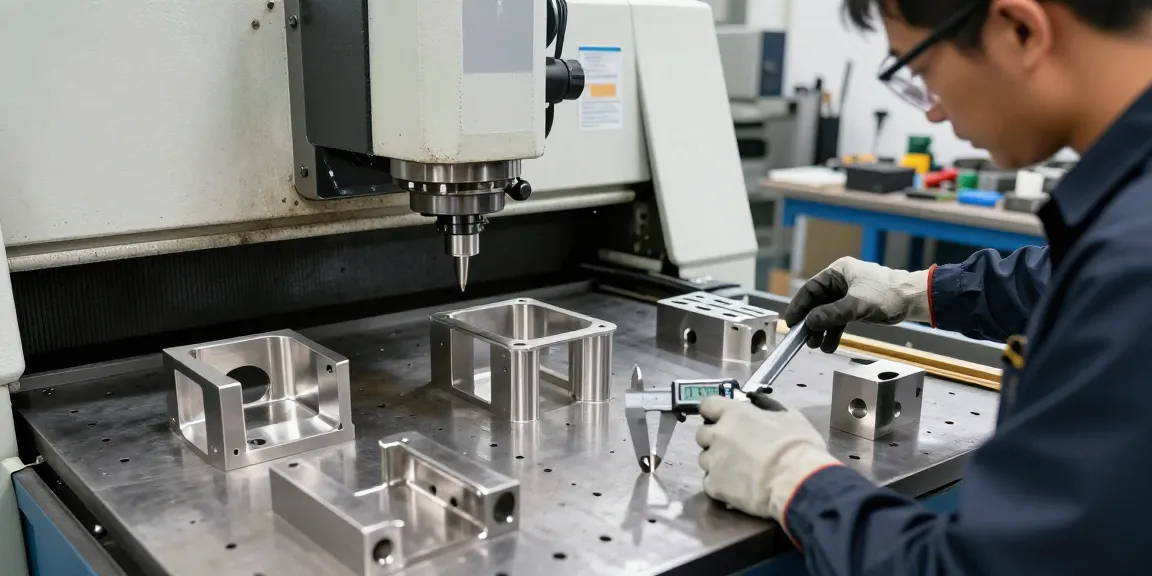
- Cutting and Shaping: Steel is cut into various shapes and sizes using saws, plasma cutters, or lasers. Each piece is formed according to the specifications outlined in the designs.
- Assembly: Components are assembled, often welded or bolted together in a factory setting before being shipped to the construction site.
- Finishing: As a final step, steel is treated to prevent corrosion. Techniques such as galvanization, painting, or applying protective coatings may be employed.
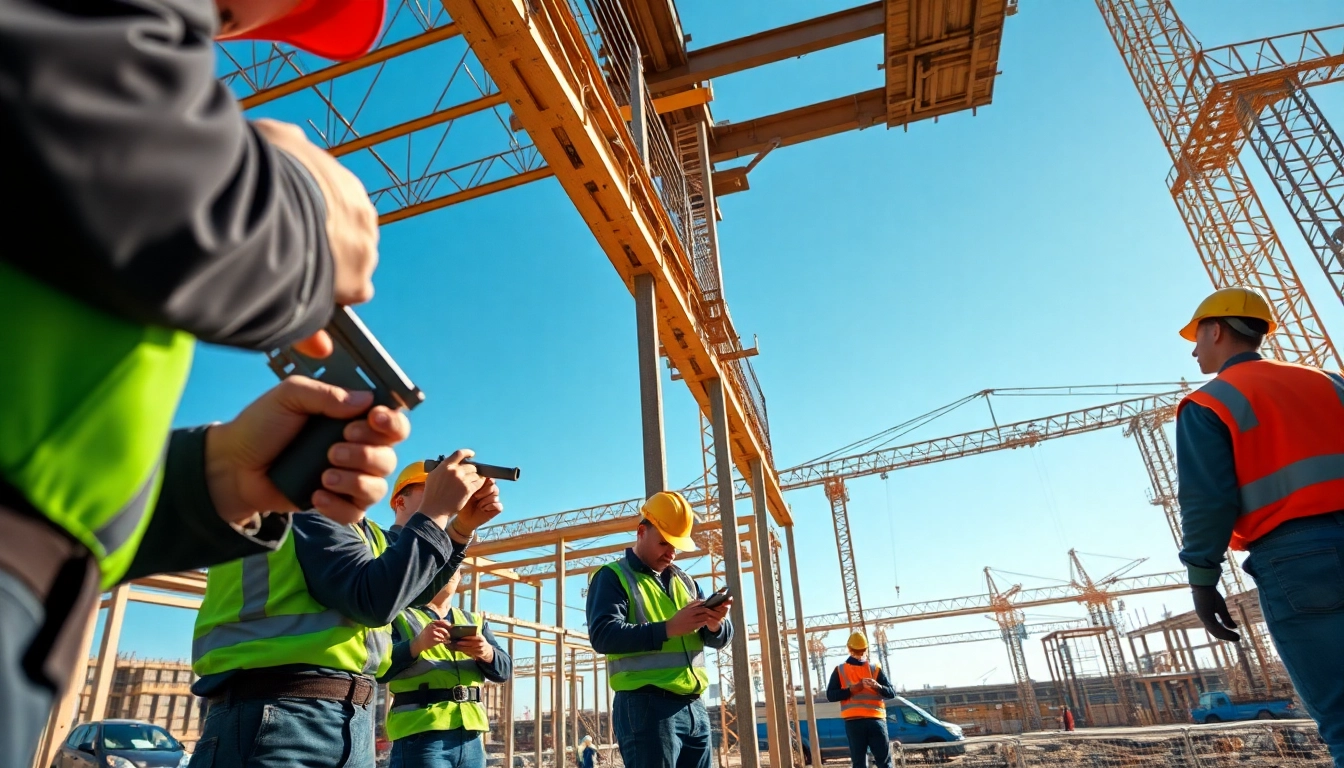
- Delivery and Installation: The finished pieces are delivered to the construction site and assembled into the final structure under the supervision of skilled tradespeople.
Materials Used in Structural Steel Fabrication
Materials vary depending on the specific needs of a project but commonly include:
- Carbon Steel: Widely used due to its strength, ductility, and affordability.
- Stainless Steel: Chosen for its resistance to corrosion and aesthetic appeal, particularly in visible structures.
- Alloy Steel: Incorporates elements like chromium and nickel to improve performance in extreme conditions.
By understanding the properties of these materials, fabricators can select the appropriate type for different applications such as heavy load-bearing structures versus lighter architectural designs.
Benefits of Structural Steel Fabrication
Cost-Effectiveness and Durability
One of the primary advantages of structural steel fabrication lies in its cost-effectiveness. The strength-to-weight ratio of steel allows for the implementation of lighter structures, which can result in savings during the foundation construction and overall project costs. Additionally, steel's durability means that it requires less maintenance over time, further enhancing the return on investment.
Design Flexibility in Construction
Structural steel offers unparalleled design flexibility. Architects can achieve complex designs such as cantilevers and large open spaces that would be difficult, if not impossible, with other materials. The ease of modification and customization in steel fabrication allows for structures that can adapt to evolving aesthetic or functional requirements without extensive redesign.
Environmental Considerations
Shortening construction times through efficient structural steel fabrication can reduce waste and energy consumption. Steel is also recyclable, allowing for the possibility of reusing materials in future projects. This sustainability aspect aligns with modern commitments to greener building practices and environmentally friendly construction techniques.
Common Challenges in Structural Steel Fabrication
Quality Control Issues
Maintaining quality throughout the fabrication process is a constant challenge. Variations in raw material quality, incorrect specifications in design plans, and miscalculations during manufacturing can all lead to defects. Quality assurance protocols, rigorous inspections, and adherence to industry standards are vital in mitigating these risks.
Safety Regulations and Compliance
Compliance with local and national safety regulations is crucial. The structural steel fabrication process involves potentially hazardous tools, heavy materials, and complex machinery. Implementing comprehensive safety training for workers is necessary to minimize accidents and ensure compliance with Occupational Safety and Health Administration (OSHA) standards.
Supply Chain and Material Availability
The availability of quality materials can impact project timelines. Fluctuations in steel prices and material shortages can create logistical challenges, leading to delays and increased costs. Establishing reliable relationships with suppliers and diversifying the sources of materials can enhance the resilience of the supply chain.
Best Practices for Successful Structural Steel Fabrication
Efficient Project Management Techniques
Effective project management is pivotal in structural steel fabrication. Utilizing tools such as Building Information Modeling (BIM) can enhance collaboration between stakeholders, streamline workflows, and improve overall project outcomes. Such techniques also reduce errors and facilitate more accurate scheduling, ultimately leading to timely project completion.
Advanced Technology in Fabrication
New technologies such as automated welding machines, computer numerical control (CNC) cutting tools, and robotics in fabrication can significantly enhance efficiency and precision. Implementing these technologies can minimize human error, reduce labor costs, and lead to higher-quality outputs.
Collaboration with Architects and Engineers
Successful structural steel fabrication necessitates ongoing collaboration between fabricators, architects, and engineers throughout the project lifecycle. Establishing clear communication channels fosters a team environment where design ideas can be seamlessly translated into practical solutions, reducing the likelihood of errors and ensuring that the final product meets expectations.
Case Studies in Structural Steel Fabrication
Innovative Projects and Their Outcomes
Case studies of innovative structural steel projects provide valuable insights into the potential and capabilities of fabrication techniques. For instance, the design and construction of the Burj Khalifa in Dubai utilized advanced structural steel fabrication methods, showcasing both the strength and flexibility of steel in creating one of the world’s tallest buildings. This project relied on a varied approach to design, which included the use of high-strength steel that allowed for substantial height while maintaining robustness and stability.
Lessons Learned from Recent Fabrication Challenges
Several projects have faced significant challenges during structural steel fabrication. The collapsed roof of the Kansas City Hyatt Regency hotel in 1981 serves as a profound lesson in the importance of quality control and adherence to engineering specifications. This catastrophic failure highlighted the need for rigorous checks and an understanding of load-bearing requirements, reinforcing the principle that every stage of fabrication requires scrutiny and oversight.
Future Trends in Structural Steel Fabrication
The future of structural steel fabrication is moving towards increased digitization and sustainable practices. The use of AI and big data is on the rise, allowing for enhanced predictive analytics in project management. Additionally, green construction practices are pushing the industry towards innovative materials and methods, such as the incorporation of recycled steel and new technologies in fabrication processes to minimize environmental impact.
In summary, structural steel fabrication is a critical element of modern construction that offers numerous benefits, including cost-efficiency, flexibility in design, and sustainability. However, challenges remain, requiring attention to quality, safety, and materials management. By adopting best practices and learning from past experiences, the construction industry can continue to evolve, embrace innovation, and enhance the efficiency and efficacy of structural steel fabrication. For more insights into how effective a structural steel fabrication service can be for your next project, consider exploring more resources on structural steel fabrication.