Understanding the Basics of Gardening
Gardening is an art that combines the science of plant cultivation with the joy of nurturing life. It's a rewarding hobby that not only beautifies our surroundings but also provides us with fresh produce and enhances our well-being. Whether you're a novice experimenting with a few herbs in your kitchen or an experienced horticulturist managing a sprawling flower garden, understanding the fundamental principles is crucial in achieving success in Gardening.
What is Gardening?
At its core, gardening involves the cultivation of plants for aesthetic reasons, food production, or both. This practice can take many forms, including flower gardening, vegetable gardening, fruit orchards, and even landscaping. The process includes a variety of tasks such as soil preparation, planting, maintaining, and harvesting plants. Gardening not only focuses on the cultivation of plants but also on enhancing the ecological balance and biodiversity of regions.
Essential Gardening Tools and Their Uses
Equip yourself with the right tools to enhance your gardening experience. Here are some essential tools and their uses:
- Hand Trowel: Essential for digging, transplanting, and removing weeds from small areas.
- Pruning Shears: Ideal for cutting back plants, pruning shrubs, and harvesting fruits and flowers.
- Rake: Useful for leveling soil, clearing debris, and preparing planting beds.
- Hoe: Used for turning soil, cutting weeds, and forming rows for planting.
- Watering Can: Perfect for controlled watering in small spaces or pots.
Understanding Soil Types and Quality
Soil is often referred to as the foundation of gardening because it provides nutrients and support for plants. Understanding soil types is essential for successful gardening. The main types include:
- Sandy Soil: Drains quickly but doesn't hold nutrients well.
- Clay Soil: Retains moisture but can become compacted and hard to cultivate.
- Silty Soil: Fertile and retains moisture, making it great for gardening.
- Loamy Soil: A balanced mixture of sand, silt, and clay, ideal for most plants.
Testing soil quality through pH tests and nutrient assessments can help in selecting appropriate amendments to enhance its properties.
Planning Your Garden Layout
A well-planned garden layout is essential for maximizing the productivity and aesthetics of your gardening space. Here are key considerations when planning your garden.
Choosing the Right Plants for Your Space
Selecting plants that are suited to your climate, soil type, and garden conditions is crucial. Begin by assessing your growing conditions, such as sunlight exposure, moisture level, and space available for growth. Aim for a mix of plants that adds visual interest and various harvest times. Consider companion planting, where specific plants can benefit others when grown together.
The Importance of Sunlight and Water in Gardening
Sunlight and water are essential for photosynthesis and overall plant health. Most plants require at least six hours of sunlight daily, so it’s critical to observe your garden’s sun exposure throughout the day. Additionally, understanding your watering needs is crucial to avoid overwatering or underwatering, both of which can harm your plants. Consider utilizing drip irrigation systems that can filter water directly to the roots.
Creating a Garden Design
A functional and beautiful garden design incorporates pathways, plant groupings, structures like trellises, and zones for different plant types. Take the time to sketch out your garden plan on paper or use gardening software. This will help you visualize how the plants will look when mature, ensuring that taller plants do not shade shorter ones excessively.
Gardening for Beginners: Get Started
If you're new to gardening, getting started can seem daunting. Here's a guide to embarking on your gardening journey.
Steps to Start Your First Garden
Begin with these steps:
- Choose a location: Find a spot that receives sufficient sunlight and has good drainage.
- Assess soil health: Test your soil and amend as needed for nutrient levels.
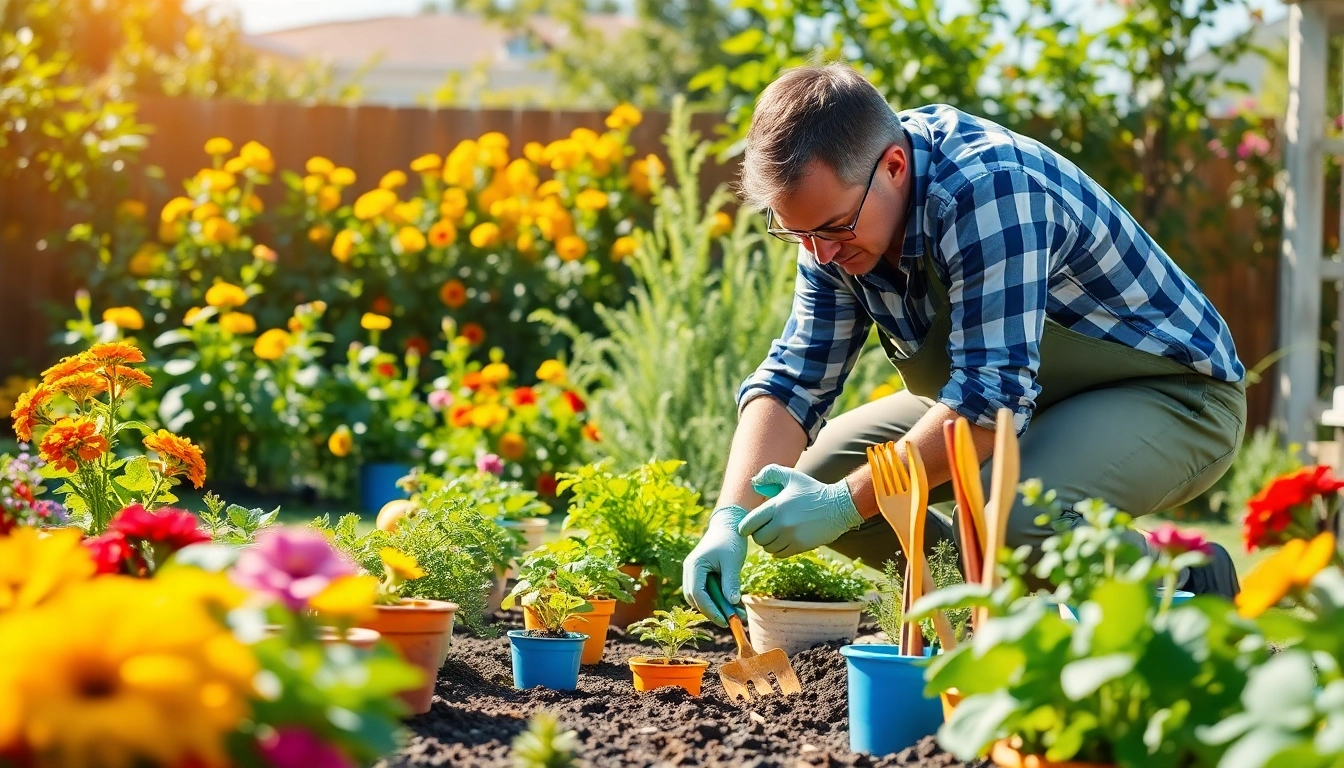
- Select your plants: Start with easy-to-grow plants like tomatoes, cucumbers, or marigolds.
- Prepare your garden bed: Clear the area, amend the soil, and define your plant layout.
- Plant your seeds or transplants: Follow specific planting guidelines for depth and spacing.
- Maintain your garden: Water regularly, weed, and monitor for pests.
Common Beginner Mistakes in Gardening
Many new gardeners make mistakes that can hinder their success. Common pitfalls include:
- Planting too early or late in the season.
- Overwatering or underwatering plants.
- Neglecting to research plant compatibility.
- Ignoring pest management and soil health.
Resources for New Gardeners
Utilize books, online resources, and local gardening clubs to expand your knowledge. Engaging with fellow gardening enthusiasts can provide support and a wealth of information as you navigate through the challenges of starting your garden.
Advanced Gardening Techniques
Once you've mastered the basics, consider exploring advanced gardening techniques to enhance your garden’s productivity and sustainability.
Companion Planting Strategies
Companion planting is the practice of growing different plants in proximity for mutual benefit. By selecting plant pairings that deter pests or enhance growth, you can create a more productive garden. For instance, planting basil near tomatoes can help repel pests and promote better growth.
Heirloom vs. Hybrid Gardening: What You Need to Know
Understanding the difference between heirloom and hybrid plants is vital for making informed choices. Heirloom plants are open-pollinated varieties that have been cultivated over generations, retaining their specific traits. Hybrid plants, on the other hand, are crossbred to create specific features, such as disease resistance or higher yields. Each has its merits, and gardeners may choose one over the other based on their gardening goals.
Organic Gardening Practices
Organic gardening emphasizes sustainability and natural practices to grow plants without synthetic pesticides or fertilizers. Techniques include using organic compost, crop rotation, and natural pest deterrents. The primary objectives are to improve soil health, promote biodiversity, and ensure the safety of produce for consumption.
Maintaining Your Garden Throughout the Seasons
Effective garden maintenance is key to ensuring a thriving garden year-round. Each season presents its unique challenges and tasks to keep plants healthy.
Seasonal Maintenance Tips for Gardening
As seasons change, so do the needs of your garden:
- Spring: Prepare your beds, sow seeds, and prune perennials.
- Summer: Regularly water and mulch to retain moisture and suppress weeds.
- Fall: Harvest crops, prepare soil for winter, and plant cover crops.
- Winter: Protect perennials with mulch and plan for the upcoming growing season.
Dealing with Pests and Diseases Naturally
Natural pest management strategies involve the use of beneficial insects and eco-friendly practices. Consider introducing ladybugs to control aphids or using neem oil to combat fungal diseases. Monitoring plant health closely allows for early intervention before infestations take hold.
When to Harvest: Maximizing Your Yield
Harvesting at the right time ensures maximum flavor and nutritional value. Each plant has its indicators of readiness; tomatoes should be harvested when they are fully colored, while root vegetables like carrots can be pulled when they reach a preferred size. Regular harvesting can also promote further growth in many cases.