Introduction to Gardening: A Beginner's Guide
Gardening is an enriching and rewarding experience that allows individuals to connect with nature while cultivating their own green sanctuaries. For those who are new to gardening or want to broaden their understanding, this comprehensive guide covers essential techniques and practices. We will delve into a variety of topics, from understanding gardening basics to advanced techniques, ensuring a well-rounded education in the art of Gardening.
Understanding Gardening Basics
At its core, gardening involves the act of cultivating and nurturing plants. Understanding the cycle of plant growth—emphasizing the importance of seeds, soil, sunlight, and water—is crucial for successful gardening. All new gardeners should familiarize themselves with the various types of gardens too, such as vegetable gardens, flower gardens, and herb gardens. Each type has its own specific requirements and care techniques, making it beneficial to choose a focus based on personal interests and climate conditions.
Essential Tools for Successful Gardening
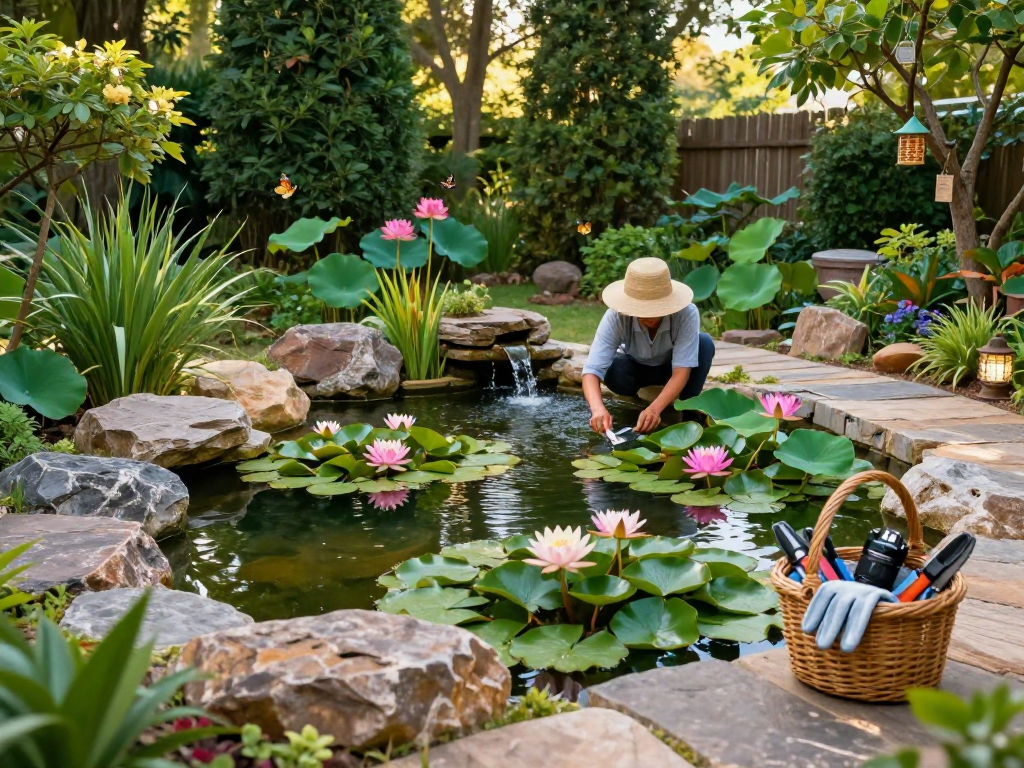
An effective gardener is only as good as their tools. Here’s a breakdown of essential gardening tools that can facilitate your gardening journey:
- Hand Trowel: Ideal for digging small holes, planting, and transferring soil.
- Pruning Shears: Useful for trimming plants and keeping them healthy.
- Garden Fork: Perfect for loosening soil and aerating it before planting.
- Weeder: Helps to keep your garden free of pesky weeds.
- Watering Can or Hose: Essential for maintaining moisture in the soil.
Investing in quality tools can lead to better results and a more enjoyable gardening experience.
Choosing the Right Plants for Your Space
When selecting plants, it is vital to consider your local climate and growing conditions. Additionally, consider the available space—whether you have a small balcony or a sprawling backyard. Native plants often require less maintenance and water, making them an excellent choice for beginners. Also, think about the purpose of your garden: do you want it for aesthetics, food production, or attracting pollinators? Understanding these factors will give you the best chance of thriving plants.
Soil and Sunlight: The Key to Plant Success
Soil Preparation Techniques for Healthy Growth
Healthy soil is fundamental for plant growth. Start with soil testing kits to gauge pH and nutrient levels. Based on the results, you can amend the soil with organic compost or fertilizers. Techniques like tilling, mulching, and using cover crops can enhance soil structure and fertility. Furthermore, fostering beneficial microorganisms in the soil will encourage a healthier ecosystem for your plants.
The Importance of Sunlight in Gardening
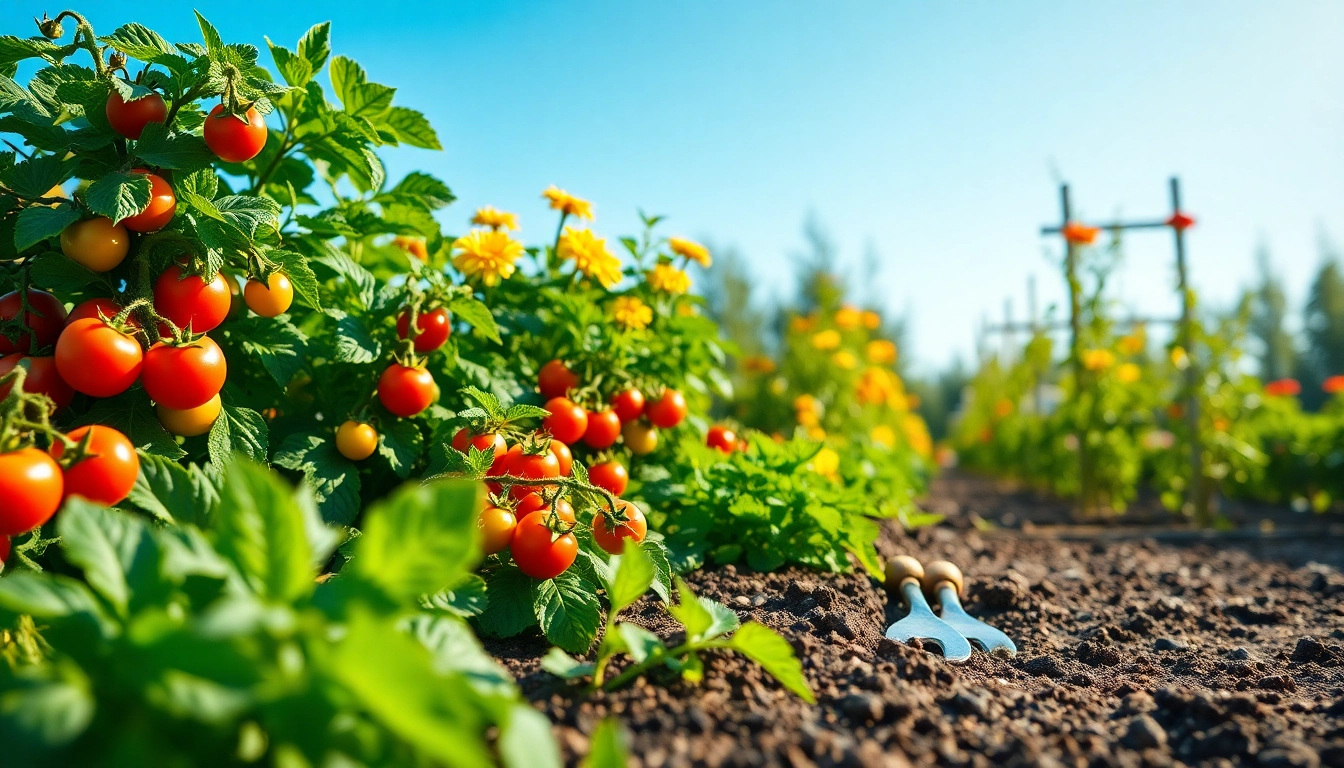
Sunlight is crucial for photosynthesis, which fuels plant growth. It's essential to understand how much sunlight different plants need. Vegetables like tomatoes and peppers thrive in full sun (6-8 hours), while leafy greens and herbs can tolerate partial shade. Observing your garden space throughout the day can help determine the best locations for sun-loving and shade-tolerant plants.
Identifying the Right Location in Your Garden
The right location in your garden ensures that plants can access sunlight, nutrients, and water. Factors to consider include:
- Proximity to existing water sources for ease of irrigation.
- Airflow around plants to prevent diseases.
- Protection from harsh winds and extreme weather.
Careful planning of layout and location can significantly impact your gardening success.
Watering Methods: Keeping Your Garden Hydrated
Best Practices for Watering Your Plants
Watering is where many new gardeners falter. Over- and under-watering can both be detrimental. Here are some best practices:
- Water early in the morning or late in the evening to reduce evaporation.
- Deep soaking encourages roots to grow deeper into the soil.
- Use mulch to retain moisture in the soil and suppress weeds.
Monitoring soil moisture levels with a moisture meter can also help ensure optimal watering practices.
Understanding Different Watering Systems
There are various watering systems available to suit different gardens:
- Drip Irrigation: Delivers water directly to the base of plants, reducing waste.
- Soaker Hoses: Leaks water along their length, ideal for densely planted areas.
- Sprinklers: Good for large areas but may lead to water waste if not properly managed.
Choosing the right watering system can optimize water usage and benefit plant health.
Signs of Overwatering and Underwatering
Recognizing the symptoms of over and underwatering is key to effective garden management. Signs to watch for include:
- Overwatering: Yellowing leaves, root rot, and moldy soil.
- Underwatering: Wilting, drooping leaves, and dry, cracked soil.
Regularly checking plants and soil can help you adjust your watering schedule for optimal health.
Pest Management: Keeping Your Garden Healthy
Common Pests in Gardening and Their Impact
Gardening comes with a share of challenges, including pests which can cause extensive damage. Some common pests include aphids, slugs, and spider mites. Recognizing these pests early can prevent more significant infestations.
Natural Solutions for Pest Control
Using natural solutions is an effective way to manage pest populations without harmful chemicals. Consider these alternatives:
- Companion Planting: Certain plants can repel pests or attract beneficial insects.
- Neem Oil: A natural pesticide that can deter many types of insects.
- Cultural Practices: Regularly rotating crops and maintaining cleanliness in the garden can disrupt pest life cycles.
Integrated pest management combines these natural solutions into a holistic strategy to minimize pest impact.
When to Use Chemical Solutions
In some cases, organic methods may not suffice. When considering chemical solutions, it’s vital to select those that are targeted, effective, and safe for beneficial insects and humans. Always follow label instructions to minimize environmental impact, and opt for the least harmful options available.
Advanced Gardening Techniques: Scaling Up Your Skills
Composting Basics for Sustainable Gardening
Composting is an invaluable practice that recycles kitchen and garden waste into nutrient-rich soil. Start small with a compost bin at home, combining green materials (nitrogen-rich) like vegetable scraps with brown materials (carbon-rich) such as dried leaves. Regularly turning the pile will speed up the decomposition process, providing you with valuable compost to enrich your garden soil.
Organic Gardening Practices for Healthier Plants
Organic gardening focuses on growing plants without synthetic pesticides or fertilizers. This method emphasizes health for both plants and the environment. Strategies may include using organic fertilizers like composted manure, planting cover crops to enhance soil quality, and practicing crop rotation to avoid nutrient depletion.
Turning Your Garden into a Food Forest
A food forest mimics natural ecosystems, combining different layers of plants—such as trees, shrubs, herbs, and roots—into a sustainable garden. Planning a food forest involves selecting companion plants that support each other’s growth and can yield food year-round. This strategy requires knowledge of permaculture principles, which can lead to reduced maintenance and increased biodiversity within your garden.
Gardening is a beautiful journey that requires learning and adaptation. By mastering these essential techniques and practices, you can create a flourishing garden that not only enhances your living space but also connects you deeply to nature. Keep experimenting, learning, and most importantly, enjoying the process of Gardening.