Understanding Construction Site Safety
Construction site safety encompasses a broad range of practices and protocols designed to protect workers, visitors, and the surrounding community from potential hazards. Given the inherently dangerous nature of construction work, emphasizing safety is not just best practice—it's a moral obligation. Proper adherence to safety protocols can significantly reduce accidents and injuries, thereby fostering a healthier work environment. As you dive deeper into construction site safety, you'll find valuable insights that can reshape your approach and enhance your project's success.
Importance of Construction Site Safety
The significance of construction site safety is underscored by staggering statistics on workplace accidents and injuries. Each year, thousands of construction workers suffer from injuries, with many resulting in long-term disabilities. Beyond the human cost, neglecting safety measures can lead to financial repercussions, including fines, legal fees, and project delays. Embracing a culture of safety helps to instill the following advantages:
- Reduced Injury Rates: A well-implemented safety program can decrease the frequency of on-site accidents, leading to a healthier workforce.
- Increased Productivity: When employees feel secure, they tend to focus better on their tasks, thereby enhancing overall efficiency.
- Enhanced Reputation: Safety-conscious organizations are viewed more favorably by clients and the public, often leading to more business opportunities.
- Legal Compliance: Following safety laws and regulations mitigates the risks of legal issues and associated costs.
Common Risks on Construction Sites
Various risks permeate construction environments, each posing unique challenges. Understanding these risks is the first step in mitigating hazards effectively. Some of the most prevalent risks include:
- Falls: One of the leading causes of injuries and fatalities in the construction industry, falls can occur from heights or through unprotected edges.
- Equipment Accidents: Heavy machinery can lead to severe injuries, especially if operators are untrained or equipment is poorly maintained.
- Electrocution: Contact with overhead power lines or faulty wiring can have deadly consequences for workers.
- Struck-by Incidents: Workers can be struck by falling objects or moving vehicles, particularly in dynamic work areas.
- Hazardous Materials: Exposure to dangerous substances, such as asbestos or silica, can result in chronic health issues.
Legal Requirements and Compliance
Compliance with legal safety standards is essential for any construction project. Numerous regulations exist at federal, state, and local levels, primarily governed by the Occupational Safety and Health Administration (OSHA). These regulations set minimum safety and health requirements, providing a framework for managing risks effectively. Key components of compliance include:
- Safety Training: OSHA mandates safety training for workers to ensure they understand the risks associated with their tasks.
- Personal Protective Equipment: Employers must provide appropriate PPE suitable for the tasks at hand.
- Safety Inspections: Regular inspections help identify hazards and assess compliance with safety standards.
- Recordkeeping: Maintaining records of safety incidents, training sessions, and inspections is vital for legal compliance and continuous improvement.
Key Safety Equipment for Construction Sites
Equipping workers with the right safety gear effectively minimizes risks on construction sites. Let's delve into the essential safety equipment and innovations that define modern construction safety practices.
Personal Protective Equipment Overview
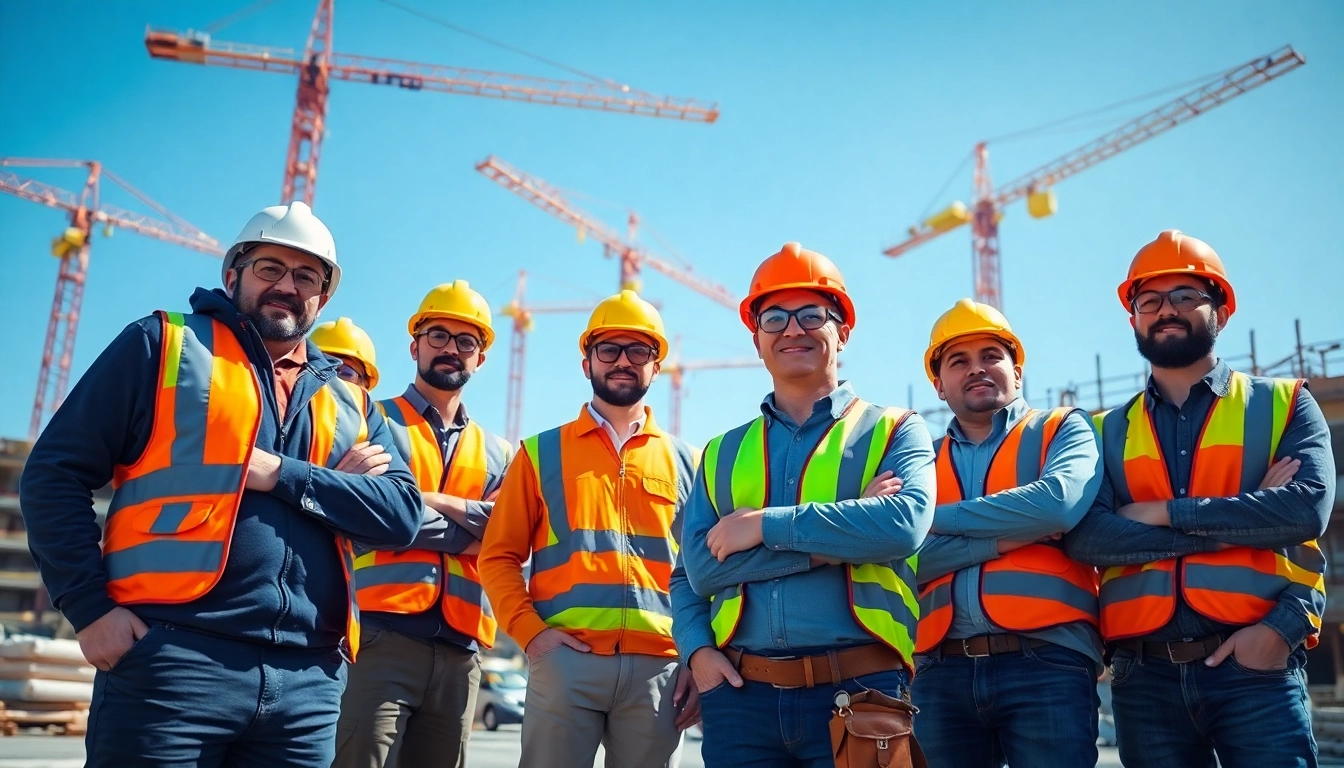
Personal protective equipment (PPE) serves as the first line of defense against workplace hazards. Commonly used PPE includes:
- Hard Hats: Protect workers from head injuries due to falling objects or bumping into fixed objects.
- High-Visibility Clothing: Enhances visibility, making workers easily recognizable in dynamic environments.
- Gloves: Shields hands from cuts, abrasions, and chemicals.
- Respirators: Protects against harmful dust, fumes, and gases.
- Safety Footwear: Steel-toed boots prevent foot injuries from heavy loads and reduce slips.
Advanced Safety Gear Innovations
The evolution of safety gear has led to innovative technologies that enhance worker protection and comfort. Some noteworthy advancements include:
- Smart Helmets: Equipped with augmented reality, these helmets provide real-time information and alerts to workers.
- Exoskeletons: These powered suits assist workers in lifting heavy materials, reducing the risk of musculoskeletal injuries.
- Connected Wearables: Devices that monitor environmental conditions and worker vitals can alert users to potential hazards.
- Self-Adjusting PPE: New materials allow gear to adapt to various work environments, enhancing comfort and safety.
Regular Maintenance of Safety Equipment
Ensuring that safety equipment is well-maintained is critical to its effectiveness. Establishing a regular maintenance schedule minimizes the risk of equipment failure. Key actions include:
- Routine Inspections: Regularly check equipment for signs of wear and tear.
- Cleaning Procedures: Keep PPE and machinery clean to prevent the build-up of hazardous materials.
- Replacement Policies: Implement policies for timely replacement of worn-out gear.
- Documentation: Maintain detailed records of inspections, repairs, and replacements to track equipment status over time.
Top Best Practices for Construction Site Safety
Adopting best practices for safety can create a proactive environment that minimizes risks. Here are essential practices that contribute to a robust safety culture.
Establishing a Safety Culture
Creating a pervasive culture of safety involves encouraging a mindset where every worker feels responsible for maintaining safety not just for themselves but for their coworkers too. Strategies for cultivating this culture include:
- Leadership Commitment: Ensure that leadership prioritizes safety and demonstrates it through actions and policies.
- Employee Involvement: Engage workers in safety discussions, encouraging them to voice their opinions and suggestions.
- Recognition Programs: Celebrate safety achievements to reinforce positive behavior and encourage continued focus on safety.
- Open Communication: Maintain open lines of communication regarding safety concerns without fear of retribution.
Conducting Regular Training and Drills
Training is vital for keeping workers informed about safety protocols and practices. Regular training sessions can include:
- Initial Safety Orientation: New employees should undergo an orientation covering site-specific hazards and safety protocols.
- Refresher Courses: Periodic training sessions keep safety knowledge current, especially as protocols evolve.
- Emergency Drills: Conducting fire drills and evacuation processes regularly ensures everyone knows their roles during emergencies.
- Tailgate Meetings: Quick daily safety huddles before work can address immediate concerns and reinforce attentiveness.
Implementing Safety Checklists
Using checklists helps to systematically manage safety procedures and ensure compliance. Key aspects of implementing safety checklists include:
- Daily Site Inspections: Checklist for each day should ensure all areas comply with safety protocols.
- Tool and Equipment Checks: Verify that tools are functional and safe to use before beginning work.
- Job Hazard Analysis: Perform a risk assessment for each task, discussing potential hazards and preventive measures.
- Incident Reporting: Ensure a checklist is available for workers to report any safety incidents or near-misses accurately.
Emergency Response and Safety Protocols
Having a solid emergency response plan can dramatically reduce the impact of accidents and emergencies on a construction site. Preparing for the unexpected is a crucial aspect of construction site safety.
Creating an Emergency Response Plan
Developing a comprehensive emergency response plan ensures that all workers know how to respond in a crisis. An effective plan should include:
- Emergency Contact List: Maintain an up-to-date list of all relevant emergency contacts, including medical services and fire departments.
- Evacuation Routes: Clearly mark all exits and alternative routes, ensuring proper visibility throughout the site.
- Regular Updates: Continuously update the plan based on lessons learned from drills or actual incidents.
- Communication Protocols: Define how information gets communicated during an emergency, both on-site and to external emergency services.
Fire Safety Measures and Protocols
Particular attention must be paid to fire hazards, as construction environments often contain flammable materials and equipment. Essential fire safety protocols include:
- Fire Extinguisher Availability: Ensure that adequate fire extinguishers are accessible throughout the site.
- Clear Signage: Post clear signs indicating emergency exits and extinguishers.
- Regular Fire Drills: Conduct drills to ensure that all workers practice evacuating the site safely and swiftly.
- Hot Work Permits: Enforce permits for operations that create combustion, such as welding or cutting.
First Aid Training and Resources
Besides prevention, preparation for injury response is critical. First aid training equips workers with the skills to respond calmly and effectively during incidents. It is essential to:
- Provide First Aid Training: Regularly train employees in basic first aid and CPR techniques.
- First Aid Kits: Ensure that easily accessible and well-stocked first aid kits are available on site.
- Designate First Aid Providers: Identify specific individuals responsible for administering first aid in an emergency.
- Emergency Protocols: Brief workers on the steps to take in the event of an accident, including how to contact emergency services.
Measuring and Improving Construction Site Safety
Measuring safety performance and making continual improvements are crucial for maintaining high safety standards. An organized approach ensures that efforts yield tangible results and reduce risks.
Key Metrics for Evaluating Safety Performance
Establishing clear metrics allows for effective evaluation of safety performance. Common metrics include:
- Incident Rates: Calculate the total number of incidents over a specific period relative to the number of hours worked.
- Near-Miss Reports: Analyze data from reported near-misses to identify potential hazards before they lead to actual incidents.
- Training Completion Rates: Track the percentage of workers completing safety training sessions, ensuring compliance across the workforce.
- Safety Audit Findings: Review observations from safety audits and inspections to gauge adherence to safety protocols.
Using Technology for Enhanced Safety
Leveraging technology in safety management offers new avenues for increasing effectiveness. Prominent technologies include:
- Drones: Used for surveying sites and monitoring compliance without exposing workers to hazardous areas.
- Safety Management Software: Streamlines incident reporting, training tracking, and compliance documentation.
- Wearable Technology: Smart devices can monitor worker vitals and environmental factors, alerting them to hazards.
- Virtual Reality Training: Provides immersive training experiences that prepare employees for real-life scenarios without risk.
Continuous Improvement Strategies
Creating a culture of continuous improvement ensures that safety practices evolve as new challenges emerge. Strategies for achieving this include:
- Feedback Mechanisms: Encourage open dialogue for suggestions or concerns regarding safety practices from all employees.
- Regular Safety Meetings: Conduct frequent meetings to review safety performance and discuss areas for improvement.
- Stay Updated on Regulations: Remain informed about the latest safety regulations and guidelines to ensure compliance.
- Benchmarking: Compare your organization's safety metrics against industry standards to identify areas for enhancement.
Frequently Asked Questions
What is construction site safety?
Construction site safety refers to the protocols and practices implemented to ensure the safety and well-being of workers and visitors on construction sites.
Why is construction site safety important?
It reduces accidents and injuries, enhances productivity, fosters a positive work environment, and ensures legal compliance, ultimately saving costs.
What are common risks on construction sites?
Common risks include falls, equipment accidents, electrocution, being struck by objects, and exposure to hazardous materials.
What is personal protective equipment (PPE)?
PPE includes gear such as hard hats, gloves, and safety goggles designed to protect workers from potential hazards during construction activities.
How can construction site safety be improved?
Improvements can be achieved through regular training, establishing a safety culture, utilizing safety equipment effectively, and conducting inspections.