
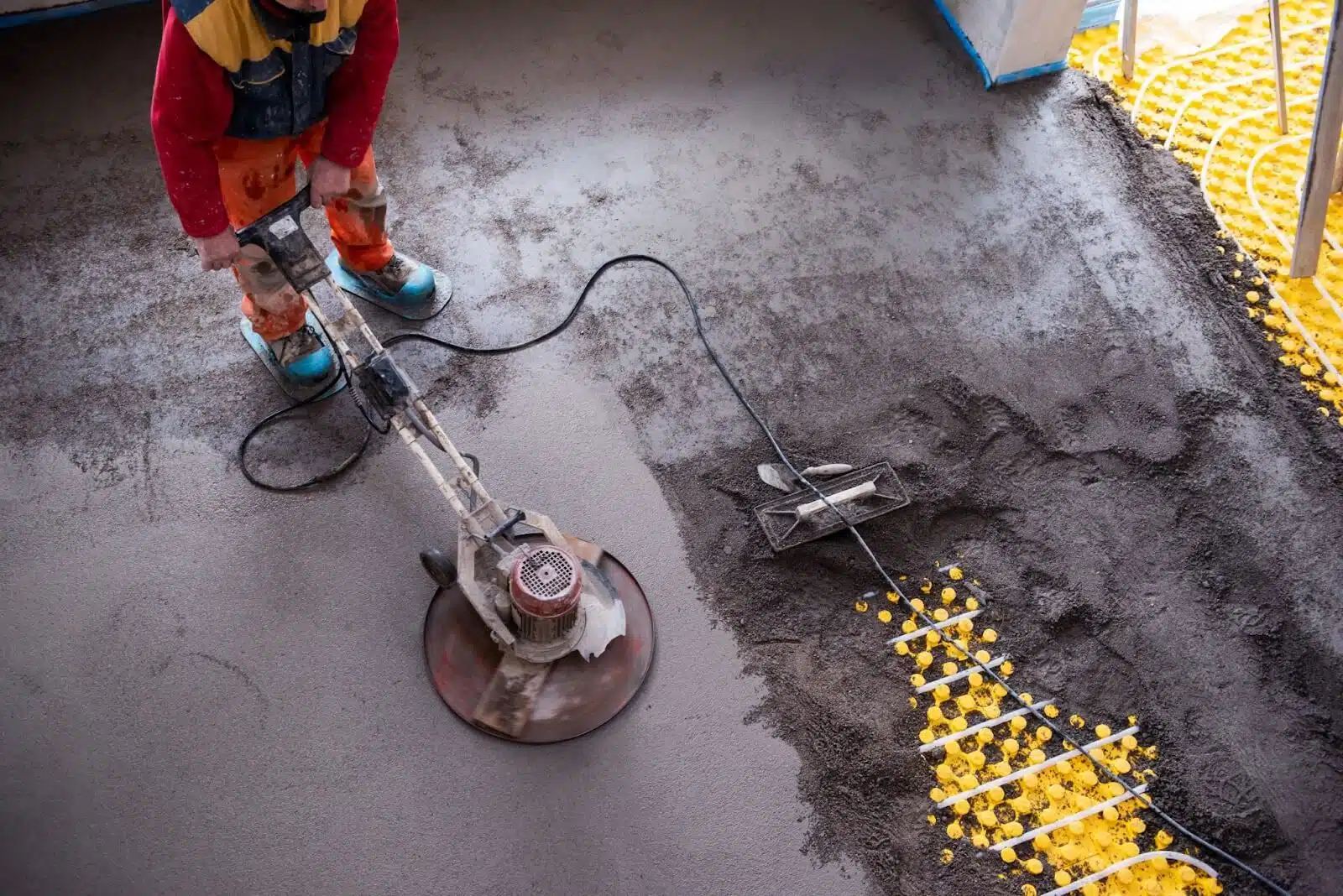
Concrete construction has long been a cornerstone of industrial and commercial development, providing durable and reliable structures such as machine foundations, scale pads, slabs, walls, and sidewalks. As demands for stronger, longer-lasting, and more sustainable structures increase, innovations in Concrete Construction materials have become essential. Randahl Construction, Inc., a leading Minnesota contractor, combines decades of experience with the latest advances in concrete technology to deliver high-quality, durable, and efficient solutions for industrial and commercial projects.
The Importance of Material Innovation in Concrete Construction
Concrete construction depends heavily on the quality and performance of the materials used. Traditional concrete, while strong, can face challenges such as cracking, shrinkage, chemical degradation, and environmental stress. Innovations in materials address these issues, enhancing durability, performance, and sustainability.
Enhancing Strength and Durability
Industrial and commercial applications require concrete that can withstand heavy machinery, foot traffic, and environmental stressors. Advanced materials improve compressive and tensile strength, providing more resilient foundations, slabs, and walls.
Improving Workability and Efficiency
Innovative materials can enhance workability, allowing concrete to flow into complex forms and around dense reinforcement without compromising performance. Improved workability reduces construction time, labor costs, and the potential for defects.
Sustainability and Environmental Responsibility
New materials and mix designs promote eco-friendly construction practices. Incorporating recycled aggregates, low-carbon cement, and other sustainable additives reduces environmental impact while maintaining or improving performance.
Key Innovations in Concrete Construction Materials
Several material innovations have transformed concrete construction, making it more durable, efficient, and adaptable to industrial and commercial applications.
High-Performance Concrete (HPC)
High-performance concrete is designed to provide superior strength, durability, and resistance to environmental factors such as freeze-thaw cycles, chemical exposure, and heavy loads. HPC is ideal for machine foundations, industrial slabs, and scale pads where long-term performance is critical.
Fiber-Reinforced Concrete
Incorporating synthetic or steel fibers into concrete significantly enhances tensile strength and reduces the risk of cracking. Fiber-reinforced concrete performs exceptionally well in high-stress industrial environments, supporting heavy machinery and minimizing structural maintenance over time.
Self-Consolidating Concrete (SCC)
Self-consolidating concrete is highly flowable, capable of filling complex forms and tightly packed reinforcement without extensive vibration. SCC ensures uniform density, reduces labor requirements, and minimizes the risk of voids or weak spots in poured structures.
Ultra-High Performance Concrete (UHPC)
Ultra-high performance concrete offers exceptional strength, durability, and longevity, far exceeding traditional concrete capabilities. UHPC is often used in specialized industrial applications where extreme load-bearing and resistance to harsh conditions are necessary.
Eco-Friendly and Sustainable Materials
Innovations in eco-friendly concrete materials include low-carbon cement, recycled aggregates, and supplementary cementitious materials such as fly ash, slag, and silica fume. These materials reduce environmental impact, improve durability, and often enhance workability and strength.
Specialized Additives for Concrete Construction
Modern concrete construction often incorporates specialized additives to enhance specific properties.
Admixtures for Strength and Durability
Chemical admixtures can accelerate or retard curing, improve workability, increase strength, and enhance resistance to environmental factors such as freeze-thaw cycles, corrosion, and chemical exposure.
Water-Reducing and Plasticizing Agents
These additives reduce the water-cement ratio while maintaining workability, resulting in higher-strength concrete with improved durability and reduced shrinkage.
Corrosion Inhibitors
In industrial settings, concrete may be exposed to chemicals or moisture that can corrode embedded steel reinforcement. Corrosion inhibitors extend the lifespan of reinforced concrete and maintain structural integrity.
Shrinkage-Reducing Agents
Shrinkage-reducing agents minimize cracking during curing, ensuring that slabs, walls, and pads remain durable and functional over time.
Benefits of Material Innovation in Concrete Construction
The integration of advanced materials into concrete construction provides multiple advantages for industrial and commercial facilities.
Extended Lifespan
Innovative materials increase the durability and longevity of concrete structures, reducing maintenance costs and the frequency of repairs.
Improved Load-Bearing Capacity
High-performance and fiber-reinforced concrete allow foundations, pads, and slabs to withstand heavy machinery, traffic, and operational stress without compromising structural integrity.
Faster Construction and Reduced Downtime
Self-consolidating and high-performance mixes streamline pouring and finishing processes, reducing labor requirements and construction time. This is particularly beneficial in active industrial facilities where downtime is costly.
Sustainability and Environmental Benefits
Eco-friendly materials reduce the carbon footprint of concrete construction and contribute to sustainable building practices without sacrificing performance or durability.
Implementation in Industrial and Commercial Projects
Randahl Construction applies these material innovations in a variety of industrial and commercial projects, including:
Machine Foundations
High-strength and fiber-reinforced concrete ensures stable, vibration-resistant foundations capable of supporting heavy machinery.
Scale Pads and Industrial Slabs
Precision construction using advanced materials guarantees accurate, durable, and low-maintenance scale pads and slabs, even under high loads and operational stress.
Poured Walls and Sidewalks
Self-consolidating and high-performance concrete improves finishing quality, structural integrity, and longevity of poured walls and commercial sidewalks.
Floor Repairs and Upgrades
Innovative concrete materials allow for rapid repairs and upgrades with minimal downtime, ensuring operational continuity in active facilities.
Future Trends in Concrete Construction Materials
The future of concrete construction continues to focus on sustainability, efficiency, and enhanced performance. Emerging trends include:
Smart Concrete
Embedded sensors and smart materials can monitor structural health, curing progress, and environmental conditions, enabling proactive maintenance and improved safety.
Recycled and Alternative Materials
Greater use of recycled aggregates, industrial by-products, and alternative binders reduces environmental impact and promotes sustainable construction practices.
Nanotechnology
Nanomaterials improve concrete strength, durability, and resistance to cracking and chemical exposure, offering next-generation solutions for industrial and commercial applications.
3D-Printed Concrete
Additive manufacturing with concrete enables complex designs, faster construction, and reduced material waste, revolutionizing industrial and commercial construction practices.
Conclusion
Innovations in concrete construction materials have transformed the durability, strength, and sustainability of industrial and commercial projects. High-performance concrete, fiber-reinforced mixes, self-consolidating concrete, and eco-friendly materials enhance structural integrity, reduce maintenance, and improve efficiency.
Randahl Construction, Inc. combines decades of expertise with cutting-edge concrete construction materials and techniques to deliver superior results for industrial and commercial facilities. By embracing these innovations, facility managers and project stakeholders can achieve long-lasting, resilient, and environmentally responsible concrete structures that withstand heavy loads, harsh conditions, and operational demands for years to come.