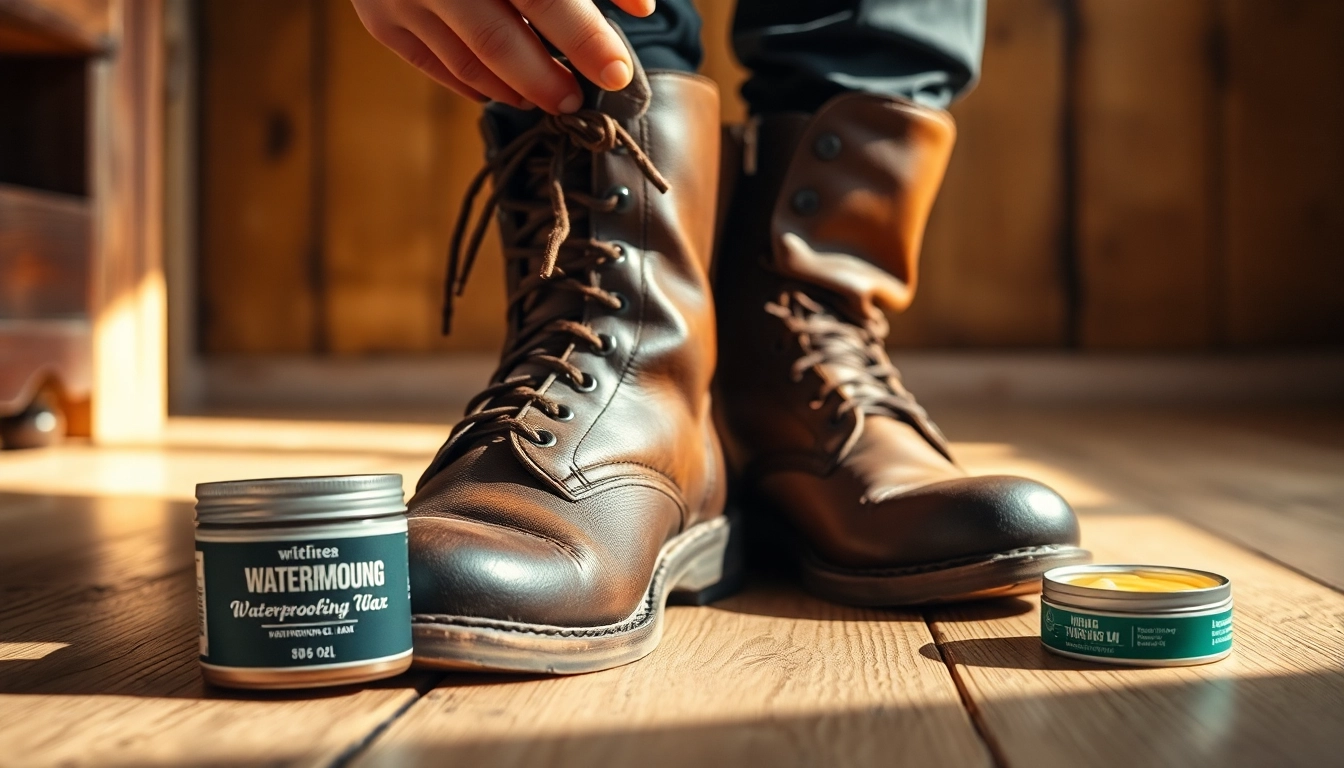
Understanding the Importance of Waterproofing Leather Boots
Winter can be a beautiful season, but it brings unique challenges, especially when it comes to taking care of our footwear. One of the best investments for anyone who braves the cold is a pair of quality leather boots. However, without proper care, even the best leather boots can suffer. That’s why knowing how to waterproof leather boots for winter is crucial. Not only does waterproofing guard against snow, slush, and rain, but it also significantly extends the life of your boots. This guide will outline why leather needs waterproofing, the challenges posed by winter conditions, and the benefits of effective waterproofing strategies.
Why Leather Needs Waterproofing?
Leather is a natural material known for its durability and breathability. However, it is not inherently waterproof. When exposed to water, leather can absorb moisture, which may lead to unsightly stains, brittleness, or even mold growth. Additionally, wet leather can crack and lose its shape over time. To prevent these issues, it is vital to apply a waterproofing agent that creates a barrier against moisture while still allowing the material to breathe.
Common Challenges in Winter
Winter presents various challenges for leather boots. The combination of cold temperatures, snow, ice, and salt can be damaging. Here are some common problems:
- Water Absorption: Leather soaked in water expands and often loses its fit.
- Salt Stains: As snow melts, salt deposits from roads can create unattractive marks on leather.
- Cracking and Dryness: Cold air can dry out leather, making it stiff and prone to cracking.
- Mold and Mildew: If boots remain damp, they may develop mold or mildew.
Benefits of Proper Waterproofing
Investing in waterproofing leather boots offers several benefits:
- Increased Longevity: Properly cared-for leather boots can last for many years, saving you money in the long run.
- Enhanced Comfort: Waterproofing keeps feet dry, making it more comfortable to walk in wet conditions.
- Protection from Elements: A good waterproofing treatment protects against snow, wet ground, and salt.
- Better Resale Value: Well-maintained leather boots retain their value better, making resale easier if you choose to part with them.
Step-by-Step Guide on How to Waterproof Leather Boots for Winter
Choosing the Right Waterproofing Product
When it comes to waterproofing leather boots, the right product can make all the difference. Various options are available, including:
- Wax: Wax-based products penetrate the leather and provide excellent protection while conditioning it.
- Sprays: Waterproofing sprays are easy to apply and generally leave no residue, making them ideal for maintaining the original look of the leather.
- Oils: Oils can nourish the leather but may require more frequent reapplication.
Before selecting a waterproofing agent, it’s wise to check the manufacturer’s recommendations and consider the specific type of leather your boots are made from.
Preparation Steps Before Treatment
Proper waterproofing starts with preparing your boots. Follow these steps:
- Clean the Boots: Remove dirt and debris using a soft brush. For deep cleaning, use a damp cloth and mild soap, then allow the boots to dry completely.
- Condition the Leather: Apply a conditioner suitable for your leather type to restore moisture and flexibility lost during cleaning.
- Test a Small Area: Always test the waterproofing product on an inconspicuous area first to ensure compatibility.
Application Techniques for Optimal Results
Once your boots are clean and conditioned, it’s time to apply the waterproofing product. Follow these methods for the best results:
- Wax Application: Using a clean cloth or your fingers, rub the wax into the leather using small circular motions. Ensure it penetrates all seams where water could enter.
- Spray Application: Hold the spray about 6-8 inches from the boot’s surface and apply a uniform coat, ensuring all areas are covered.
- Oil Application: Apply oil with a cloth, avoiding excess that can lead to a greasy look.
Always follow the manufacturer’s instructions regarding drying time and curing processes.
Natural Methods to Waterproof Leather Boots
Using Beeswax for Waterproofing
Beeswax is a natural and effective waterproofing agent. To use it:
- Start with clean, dry boots.
- Warm the beeswax slightly to make it malleable.
- Rub the wax into the leather using a cloth, ensuring even coverage.
- Use a heat source like a hairdryer to help the wax penetrate the leather.
This method not only waterproofs but conditions the leather, keeping it supple.
Homemade Solutions with Oils and Creams
Combining oils, such as olive oil with beeswax, can create a beneficial waterproofing mixture. This homemade solution offers the advantage of nourishing and protecting the leather while remaining eco-friendly.
Pro Tips for DIY Waterproofing
For best results when DIY waterproofing:
- Choose organic materials whenever possible for a more natural approach.
- Be consistent with application schedules, especially before the winter season.
- Store your leather boots in a cool, dry place to prevent unnecessary wear.
Maintenance Tips for Longevity in Harsh Conditions
Cleaning Leather Before Treatment
Maintaining waterproofing starts with regular cleaning. Remove dirt and grime after each use, especially in winter when salt and chemicals are prevalent.
Regular Care to Preserve Waterproofing
To ensure lasting waterproofing, reapply the chosen waterproofing product every few months or after prolonged exposure to wet conditions. A maintenance routine can significantly enhance the life of your boots.
Signs Your Boots Need Waterproofing Again
Watch for signs that indicate it's time to reapply waterproofing:
- Absorption: If water begins to soak into the leather instead of beading on the surface.
- Texture: If the leather feels dry or looks dull.
- Stains: If old stains start to reappear or worsen.
Frequently Asked Questions About Waterproofing Leather Boots
What is the best material for waterproofing?
The best materials include wax, sprays, and oils designed specifically for leather, as they provide both waterproofing and conditioning benefits.
How often should I waterproof my boots?
Generally, you should waterproof your boots every 3-6 months or sooner if regularly exposed to wet conditions.
Can I use household items for waterproofing?
Some household items like beeswax and oils can be effective, but ensure they are compatible with your boots' materials.
Is it safe to use heat to speed up the process?
Yes, using low heat from a hairdryer can help products penetrate the leather, but avoid high temperatures to prevent damage.
What to do if my boots still get wet?
Dry them at room temperature, fill them with newspaper to absorb moisture, and reapply waterproofing once dry.