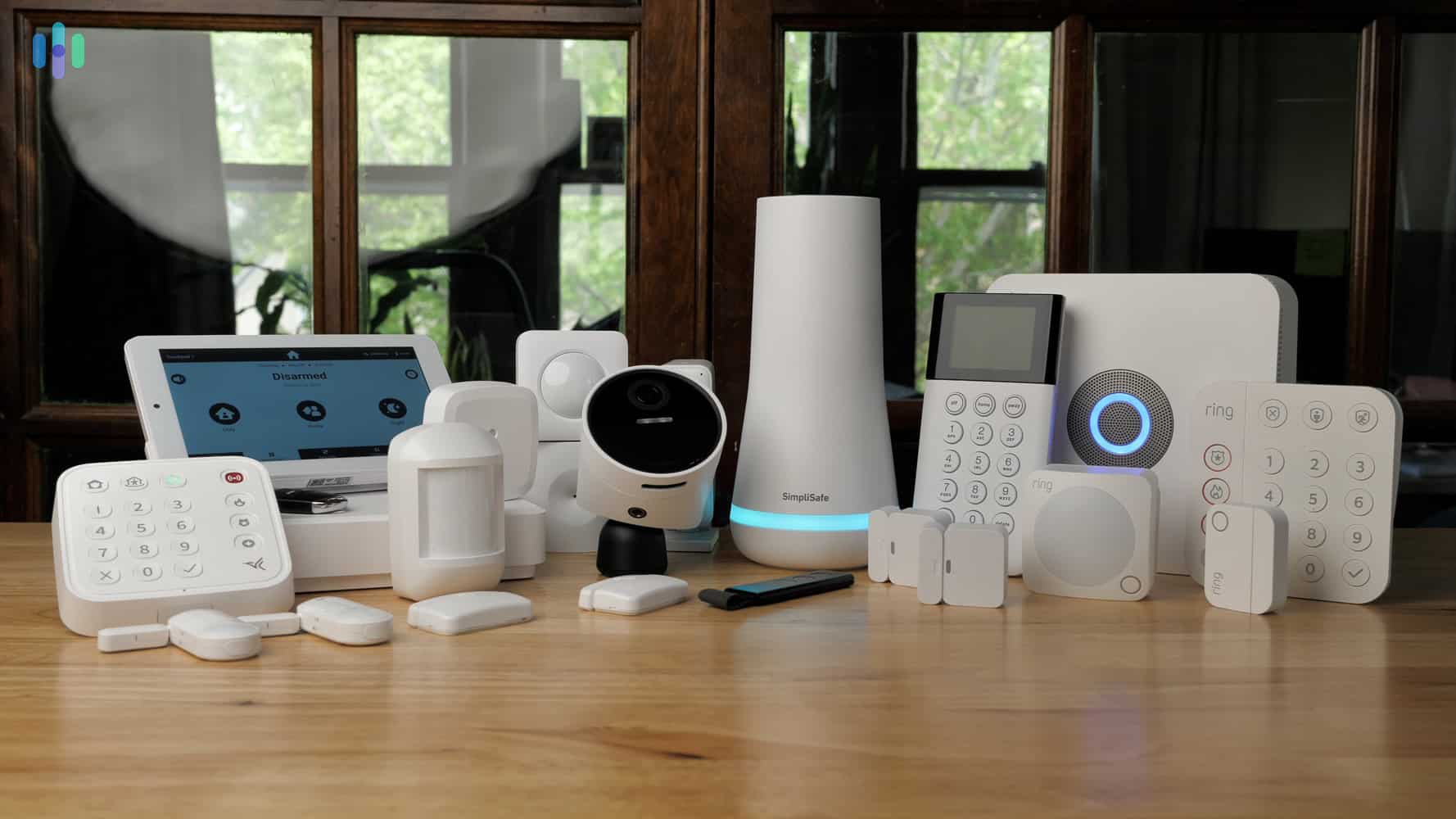
Home security is no longer a luxury. It is a basic need for every homeowner who wants to protect their family, valuables, and peace of mind. With rising crime rates, smarter burglars, and increased reliance on technology, even small Home Security mistakes can lead to serious consequences. Many homeowners believe they are safe simply because they lock their doors or live in a “quiet” neighborhood. Unfortunately, real-life cases show that most break-ins happen because of simple and avoidable errors.
At Deep Dive Picks, we analyze trends, real-world data, and expert insights to help homeowners make better decisions. In this guide, you will learn the most common home security mistakes homeowners should avoid today, explained in clear and practical language. By understanding these issues and correcting them early, you can significantly improve your home-security without unnecessary stress or expense.
Why Home Security Matters More Than Ever
Home security is about prevention, not reaction. Once a break-in happens, the damage is already done. Stolen items can be replaced, but lost peace of mind is harder to recover. Criminals today often look for easy targets rather than high-value homes. If your home appears unprotected, it instantly becomes more attractive.
Modern home-security combines physical barriers, smart technology, and responsible habits. Ignoring any one of these areas creates weak points that criminals can exploit.
Home Security Mistake #1: Relying Only on Door Locks
Many homeowners believe that locking the front door is enough for home-security. While locks are essential, relying on them alone is a major mistake.
Standard locks can be picked, forced, or bypassed within seconds by experienced intruders. In real-life burglary reports, criminals often enter through locked doors using simple tools.
A strong home-security approach includes:
- Reinforced doors and frames
- Deadbolt locks with high security ratings
- Additional security layers like alarms or cameras
Think of home-security like wearing a seatbelt and having airbags. One safety feature is helpful, but multiple layers provide real protection.
Home Security Mistake #2: Ignoring Windows and Back Doors
Front doors get most of the attention, but burglars often prefer windows, side doors, or back entrances. These areas are usually hidden from the street and easier to access without being noticed.
Common home-security oversights include:
- Leaving windows unlocked
- Using weak window latches
- Poor lighting around back doors
A real-world example involves a homeowner who installed a front-door camera but left basement windows unsecured. The break-in happened through the basement, completely avoiding the camera.
Proper home-security requires equal protection for all entry points, not just the main door.
Home Security Mistake #3: Poor Outdoor Lighting
Darkness gives criminals confidence. Homes with poor lighting are far more likely to be targeted because intruders can move unnoticed.
Effective home security lighting should:
- Cover entrances, pathways, and yards
- Use motion sensors to surprise intruders
- Stay consistent throughout the night
Outdoor lighting acts like a silent guard. When lights turn on unexpectedly, it increases the risk of being seen, which most criminals want to avoid.
Home Security Mistake #4: Not Using a Home-Security System
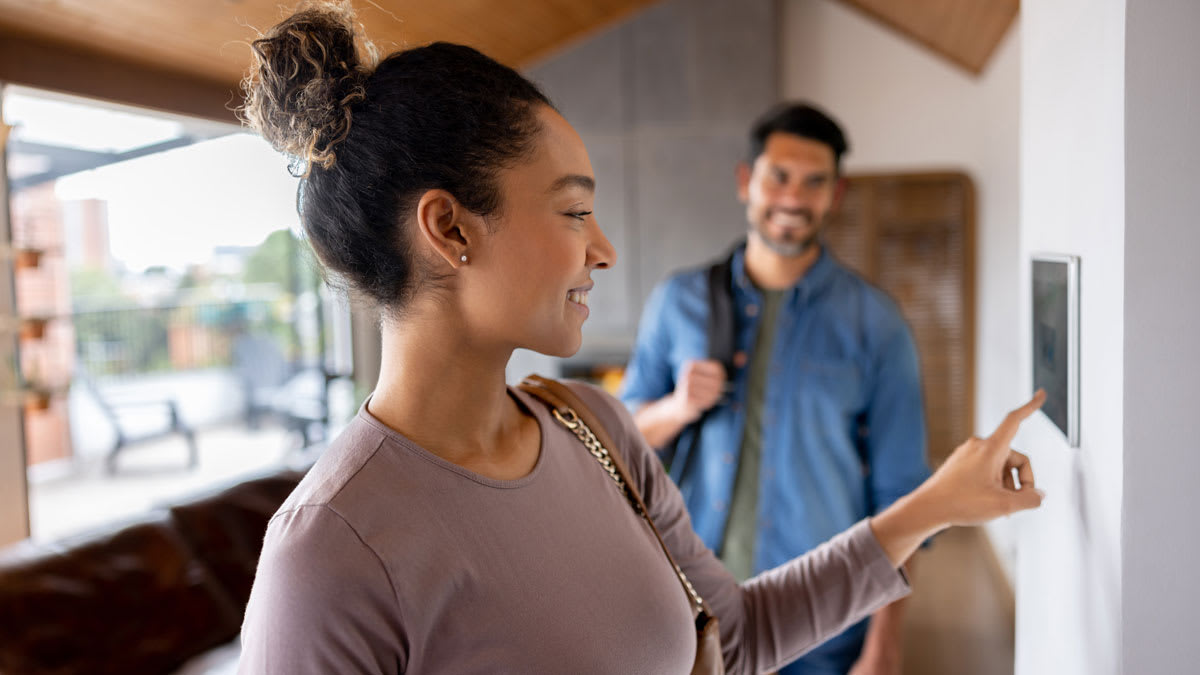
Some homeowners avoid installing a home-security system due to cost concerns or fear of complexity. This is a costly mistake.
Modern home-security systems are:
- Affordable compared to past options
- Easy to install and manage
- Capable of real-time alerts and monitoring
A simple alarm system can stop a burglary before it begins. In many cases, the sound of an alarm alone is enough to scare intruders away.
Home-security systems also provide valuable evidence through recorded footage, which can help law enforcement and insurance claims.
Home Security Mistake #5: Failing to Secure Smart Devices
Smart locks, cameras, and doorbells are powerful tools for home-security, but only if they are used correctly. Weak passwords and outdated software make smart devices vulnerable to hacking.
Common mistakes include:
- Using default passwords
- Ignoring software updates
- Sharing access with too many users
A real-life case involved a homeowner whose security camera was hacked because the password was never changed. This turned a home-security tool into a serious privacy risk.
Strong digital habits are now a critical part of home-security.
Home Security Mistake #6: Leaving Signs of Absence
Homes that appear empty are prime targets. Criminals look for signs that no one is home, especially during vacations or long work hours.
Warning signs include:
- Overflowing mail or packages
- Dark homes every night
- No movement for days
Simple home-security habits like using timers for lights or asking a neighbor to collect mail can make your home look occupied and less appealing to criminals.
Home Security Mistake #7: Oversharing on Social Media
Sharing travel plans or expensive purchases online can unintentionally compromise home-security. Criminals sometimes monitor social media to identify empty homes or valuable items.
Risky posts include:
- Vacation countdowns
- Photos showing empty houses
- Displaying expensive electronics
Home-security extends beyond physical spaces. What you share online can directly impact your safety offline.
Home Security Mistake #8: Ignoring Neighborhood Awareness
Home-security is stronger when neighbors look out for one another. Many homeowners underestimate the value of community awareness.
Neighborhood-based home-security benefits include:
- Faster reporting of suspicious activity
- Shared alerts and warnings
- Increased visible presence
A simple conversation with neighbors can act as an extra layer of home-security that no device can fully replace.
Home Security Mistake #9: Forgetting to Maintain Security Equipment
Installing home-security tools is not enough. Regular maintenance is essential.
Common maintenance issues include:
- Dead camera batteries
- Broken sensors
- Outdated software
Imagine owning a fire extinguisher that does not work during a fire. That is what neglected home-security equipment becomes during an emergency.
Routine checks ensure that your home-security system works when you need it most.
Home Security Mistake #10: Assuming “It Won’t Happen to Me”
This is perhaps the most dangerous home-security mistake. Many homeowners believe their location, lifestyle, or routine makes them immune to crime.
Statistics show that:
- Most burglaries are opportunistic
- Criminals prefer easy targets
- Any home can be at risk
Effective home-security starts with awareness and preparation, not fear. Taking action today reduces regret tomorrow.
How to Build a Strong Home-Security Strategy
Avoiding mistakes is only part of the solution. A complete home-security strategy includes:
- Physical protection like locks and lighting
- Technology such as alarms and cameras
- Smart habits and awareness
Home-security works best when all parts support each other, creating a system that is difficult to defeat.
Conclusion: Take Control of Your Home Security Today
Home security is not about installing the most expensive system or turning your house into a fortress. It is about avoiding common mistakes, strengthening weak points, and making smart, informed decisions. Every improvement you make reduces risk and increases confidence.
By addressing these home-security mistakes today, you protect more than just property. You protect your family, your comfort, and your peace of mind. At Deep Dive Picks, we believe that knowledge is the strongest security tool you can have. Start making better home-security choices now, and stay one step ahead. Head back to the main page for fresh updates and trending topics.
FAQs
What is the biggest home security mistake homeowners make?
The biggest home security mistake is relying on a single layer of protection, such as door locks, instead of using multiple security measures together.
Is home security expensive to improve?
Home security improvements can be affordable. Simple steps like better lighting, stronger locks, and smart habits can significantly increase safety without high costs.
How often should home security systems be checked?
Home security systems should be checked at least once a month to ensure cameras, sensors, batteries, and software are working properly.