
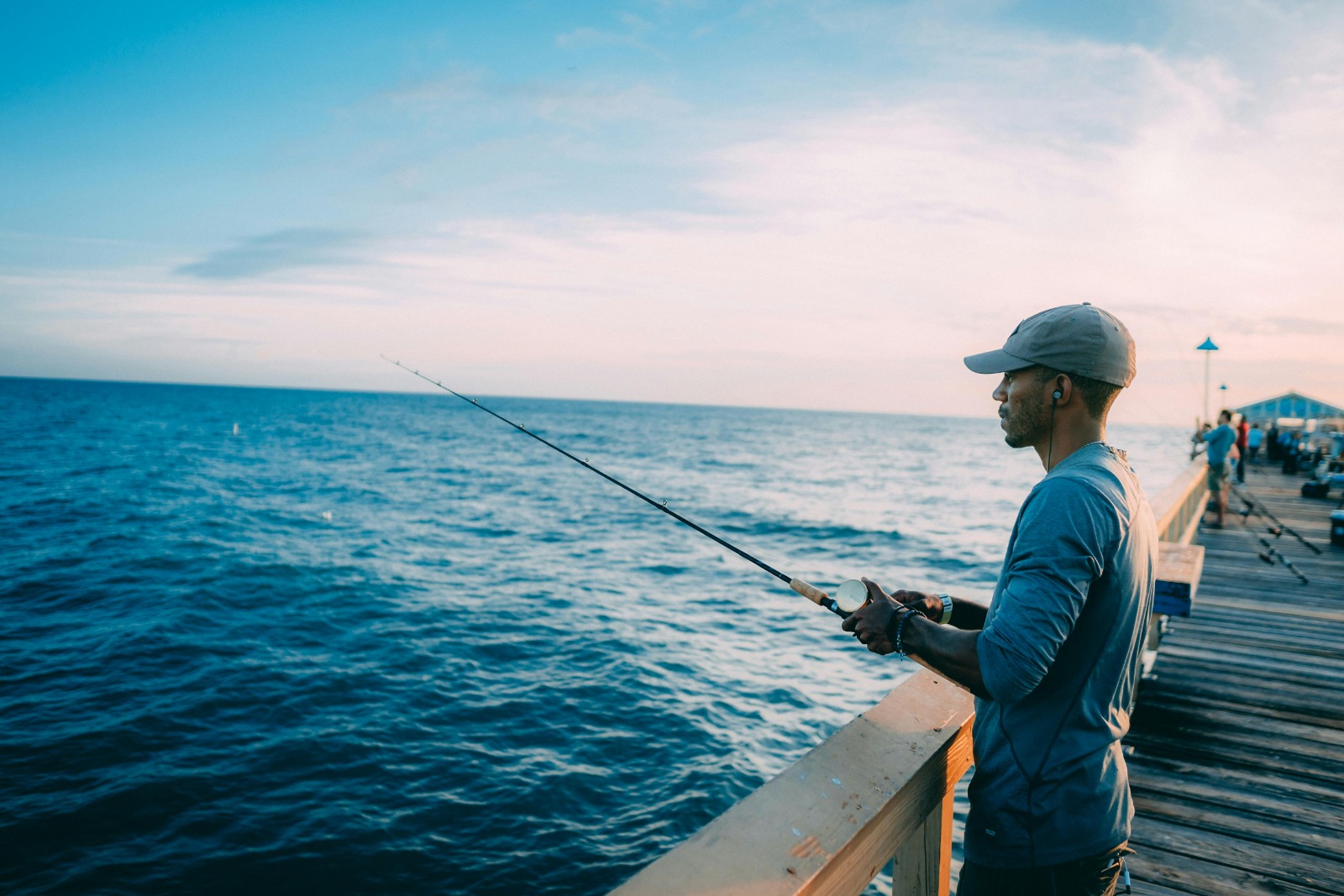
If you're passionate about fly fishing, choosing the right Fly fishing net can make a world of difference in your angling experience. Whether you’re targeting trout in small streams or going after larger species in rivers and lakes, the size and type of your net play a crucial role in safely landing fish and improving your overall efficiency. In this guide, we’ll explore everything you need to know about fly fishing net sizes, materials, and design considerations to help you make the best choice.
Why the Right Fly Fishing Net Matters
A properly sized fly fishing net ensures that you can handle fish safely, minimize stress to the fish, and avoid losing your catch. Using a net that is too small may result in fish escaping, while an oversized net can be cumbersome to carry and manage. Additionally, the net’s material affects fish health—rubberized nets are gentler on delicate fish scales, while traditional mesh nets can sometimes cause damage.
Types of Fly Fishing Nets
When selecting a fly fishing net, it’s important to understand the different types available. There are primarily three categories:
1. Landing Nets
Landing nets are the most common type used in fly fishing. They feature a long handle and a deep, wide net to safely secure fish. They are ideal for anglers targeting medium to large fish in rivers, lakes, or streams.
2. Catch-and-Release Nets
Catch-and-release nets are designed to reduce harm to the fish. They are typically made from rubberized or knotless mesh, which helps prevent injury and preserve slime coating. These nets are essential for conservation-minded anglers.
3. Collapsible or Travel Nets
For anglers who travel frequently, collapsible fly fishing nets are lightweight and easy to pack. While they may not be as durable as traditional nets, they offer convenience without compromising on functionality.
How to Determine the Right Fly Fishing Net Size
Selecting the correct fly fishing net size depends on the type of fish you’re targeting and the water conditions. Here are some key considerations:
Net Diameter and Depth
The diameter of the net hoop and the depth of the net are critical. A larger diameter allows you to land bigger fish more easily, while sufficient depth ensures the fish remains secure without jumping out. For trout, a net with a 14-18 inch hoop and moderate depth is usually sufficient. For salmon or bass, a net with a 20-inch or larger hoop is recommended.
Handle Length
Handle length is another important factor. Short handles provide better maneuverability in tight streams, while longer handles are useful for wading in deeper water or reaching over obstacles. Typically, a handle length of 18-24 inches works well for most fly fishing scenarios.
Net Material
The material of your fly fishing net can affect both performance and fish safety. Rubberized nets prevent the removal of scales and protect delicate fish skin, while traditional nylon or mesh nets may be more prone to tangling flies and hooks. Modern designs often combine lightweight frames with knotless, fish-friendly materials.
Specialized Fly Fishing Nets
Some anglers require specialized nets for unique fishing situations. For example:
- Shallow Water Nets: Ideal for wading in streams where larger nets may get stuck or snagged.
- Telescopic Nets: Adjustable in length, perfect for boat or shore fishing where space is limited.
- Floating Nets: Designed to float if accidentally dropped in water, preventing loss during fishing trips.
Maintenance Tips for Your Fly Fishing Net
Proper maintenance can extend the life of your fly fishing net. After each trip, rinse your net in fresh water to remove debris and prevent saltwater corrosion if used in marine environments. Store your net in a cool, dry place to avoid mildew or frame warping. Inspect the handle and hoop for damage before each trip, and replace any worn parts promptly.
Common Mistakes to Avoid
Many anglers make mistakes when choosing or using a fly fishing net. Common errors include:
- Using a net that is too small for the targeted species.
- Ignoring the type of mesh material, which can harm fish.
- Carrying a net that is too heavy or awkward for long fishing trips.
- Neglecting net maintenance, which can reduce durability.
Tips for Effective Net Use
To get the most out of your fly fishing net, follow these tips:
- Always wet the net before landing a fish to reduce scale damage.
- Keep the fish low in the net to prevent it from thrashing out.
- Use the net handle to maintain control in swift currents.
- Practice proper catch-and-release techniques to improve survival rates.
Conclusion
Choosing the right fly fishing net is a crucial part of any angler’s gear setup. From selecting the appropriate size and handle length to choosing fish-friendly materials, your net can significantly impact your fishing success and the health of the fish you catch. Whether you’re an avid trout fisherman or targeting larger species in remote waters, investing in a high-quality, well-sized fly fishing net ensures a better, safer, and more enjoyable angling experience.
By keeping these guidelines in mind, you’ll be fully prepared to select the perfect fly fishing net for your next adventure. Remember, the right net not only improves your catch rate but also protects the fish and enhances your overall fly fishing experience.