Introduction to Clarksburg Wine Tasting
Located in the picturesque Sacramento Valley, Clarksburg, California, is a hidden gem for wine enthusiasts. With its rich agricultural heritage coupled with an ideal growing climate, it’s quickly becoming a hotspot for Clarksburg wine tasting. This article will unveil the remarkable history, distinct wine varieties, and the unique experience that awaits every visitor.
The Rich History of Vineyards in Clarksburg
The history of wine production in Clarksburg dates back to the mid-1800s, when early settlers noticed the fertile soil and favorable climate for growing grapes. Initially, grape cultivation was not focused solely on wine; rather, it supported the burgeoning agricultural community with table grapes and raisins. Over the decades, winemaking took root, leading to the establishment of several vineyards that contributed to the region's agricultural diversity.
By the late 20th century, Clarksburg became recognized as an AVA (American Viticultural Area), further enhancing its reputation. The unique soils, a mix of sandy loam and clay, provide a perfect growing medium for various grape varietals. Today, the legacy of these early viticulturists continues as newer generations adopt sustainable practices while crafting exquisite wines.
Understanding the Types of Wines Produced
Clarksburg is renowned for its wide range of wines, but it is particularly celebrated for its Chenin Blanc, Zinfandel, Petite Sirah, and Cabernet Sauvignon. The Chenin Blanc thrives in the region's climate, allowing winemakers to produce both dry and sweet variations, showcasing its versatility.
Zinfandel, often regarded as California's heritage grape, flourishes in Clarksburg's warm days and cool nights, resulting in ripe, fruit-forward wines with a defining spice. Meanwhile, the Petite Sirah provides a robust option with its intense color and full-bodied structure, making it a favorite among red wine aficionados.
Continuing to innovate, local producers are also experimenting with lesser-known varietals, leading to an exciting and diversified wine portfolio that appeals to both casual drinkers and connoisseurs.
What Makes Clarksburg Unique?
Beyond its varietals, what truly sets Clarksburg apart is the sense of community and commitment to sustainability. Local wineries often collaborate, organizing events that provide a platform for small producers to showcase their craft. This camaraderie enhances the tasting experience, as visitors can often meet the winemakers themselves and delve deeper into the winemaking process.
The proximity of Clarksburg to urban centers like Sacramento makes it easily accessible for day trips or weekend getaways. Visitors can combine their wine tasting journey with local culinary delights, outdoor activities, and cultural experiences in the surrounding area.
Planning Your Visit for Clarksburg Wine Tasting
Planning a trip to Clarksburg requires some groundwork to maximize your wine-tasting experience. Knowing the best times to visit, the attractions available, and tips for making the most of your time can elevate your adventure.
Best Time to Experience Wine Tasting Events
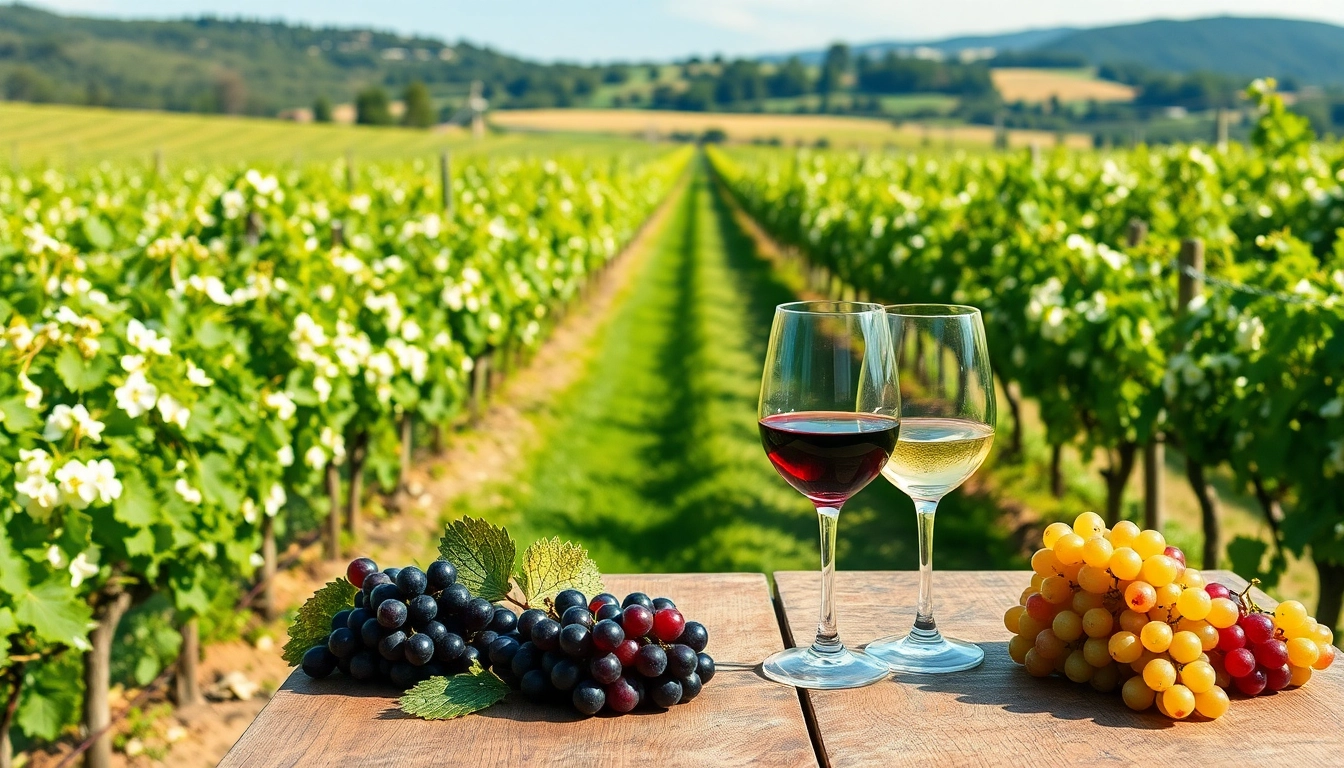
The best seasons for Clarksburg wine tasting are typically during the fall, specifically September through November, and spring from March to May. These periods not only feature pleasant weather but also coincide with the grape harvest season and blooming vineyards, creating a visually stunning backdrop.
During harvest, many wineries host special events and festivals, allowing visitors to enjoy fresh wine directly from the barrel or participate in grape stomping activities. Spring brings its own charm, with blooming flowers surrounding the vineyards, making your experience relaxing and picturesque.
Top Attractions Near the Tasting Venues
While wine tasting is the highlight, the Clarksburg area also offers plenty of attractions. Nearby, you can explore the picturesque Sacramento River Delta, where kayaking and boating provide a scenic view of the region's natural beauty. Additionally, historic landmarks like the Old Sugar Mill, a former sugar factory converted into a tasting room hub, are worth visiting.
Culinary enthusiasts can indulge in the local farm-to-table dining options in Clarksburg, featuring fresh produce and ingredients from the surrounding farmlands. Local restaurants often showcase Clarksburg wines on their menus, providing the perfect pairing for your meals.
Essential Tips for First-Time Visitors
For those planning their first trip, consider the following tips:
- Book tastings in advance, especially during peak seasons.
- Designate a driver or use rideshare services to ensure a safe experience.
- Wear comfortable clothing and shoes, as vineyard tours often require walking.
- Ask about wine club memberships for discounts on future purchases.
- Consider guided tours for a more enriching experience.
Experiencing Different Wine Varietals
Understanding and appreciating the various wine varietals offered in Clarksburg can amplify your tasting experience. Each wine tells a story of its origin, process, and the environment in which it was produced.
The Signature Wines of Clarksburg
As mentioned, Clarksburg excels in Chenin Blanc, Zinfandel, and Petite Sirah. Here’s a more in-depth look:
- Chenin Blanc: Considered the flagship white, it can range from crisp and dry to sweet. Ideal for a refreshing summer sip, it pairs beautifully with seafood and salads.
- Zinfandel: A medium to full-bodied red, Zinfandel features jammy fruit notes and peppery undertones, suitable for barbecued meats and spicy dishes.
- Petite Sirah: Known for its dark, rich character, it’s perfect for heavier dishes like steak and roasted vegetables, providing a bold tasting contrast.
Pairing Food with Clarksburg Wines
Food pairing is an art that enhances both the dish and the wine's flavors. Generally, light wines pair well with lighter foods, while the bolder varieties complement richer dishes:
• Chenin Blanc matches well with shellfish, salads, and light pasta dishes. • Zinfandel is a crowd-pleaser with barbecue, pizza, or hearty Italian fare. • Petite Sirah's richness makes it a must-have alongside grilled meats, stews, or chocolate desserts.
Participating in Guided Tastings
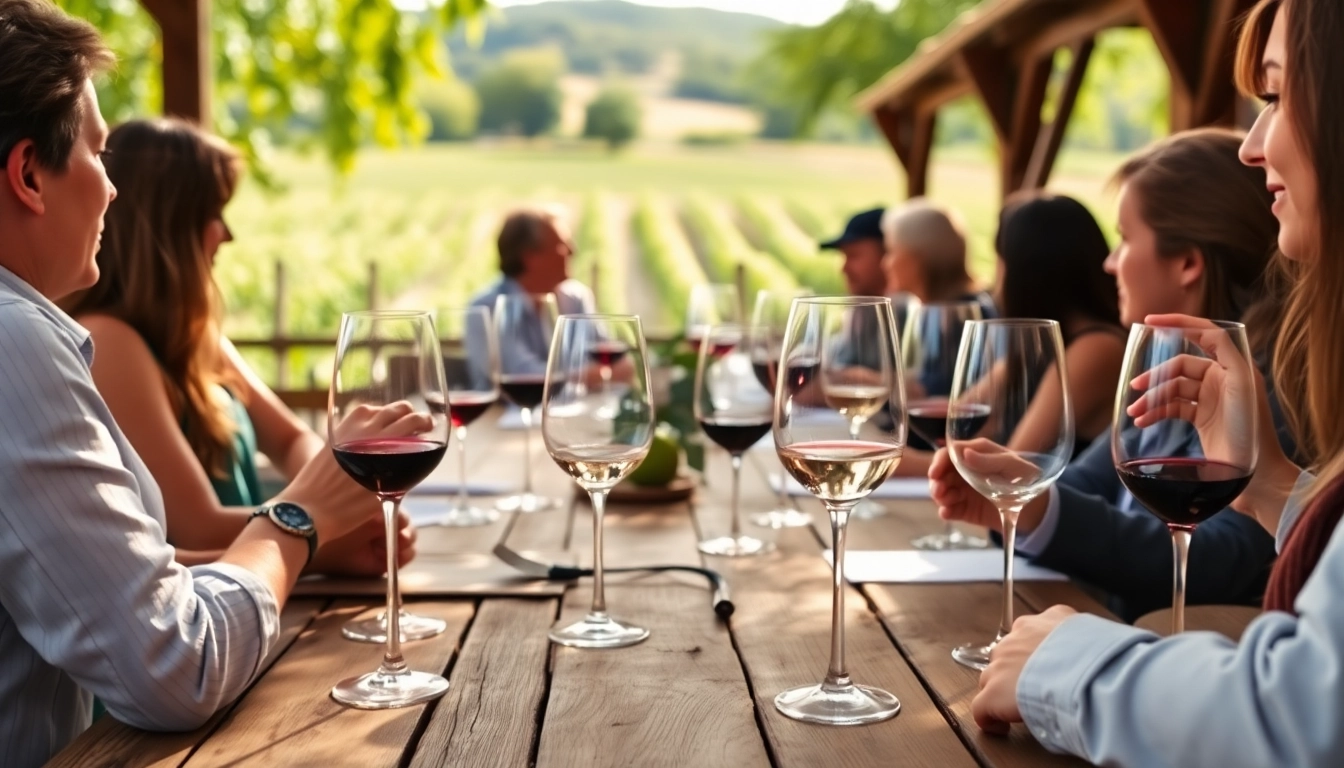
Guided tastings provide an immersive experience where knowledgeable staff lead you through selections tailored to your palate. Many wineries offer themed tastings that introduce unique aspects of their production. Additionally, tastings often include curated food pairings, enhancing your understanding of how complementary flavors interact.
Taking part in educational sessions or vineyard tours can also deepen your appreciation for winemaking traditions, sustainability practices, and the history of the landscapes you’re enjoying.
Enhancing Your Clarksburg Wine Tasting Experience
To ensure your trip is both enjoyable and memorable, consider these strategies to enrich your Clarksburg wine tasting experience.
Making the Most out of Vineyard Tours
When participating in vineyard tours, ask questions about the winemaking process, grape varieties, and terroir. Engaging with staff can lead to insightful conversations and a deeper understanding of the wines you’re tasting. Many vineyards also provide behind-the-scenes glimpses—take the opportunity to learn about the equipment and methods used during the fermentation process.
Photography Tips for Your Wine Adventure
Capturing your Clarksburg experience is essential for preserving memories. Here are some photography tips:
- Utilize natural light—early morning or late afternoon provides beautiful lighting.
- Switch to a portrait mode for close-ups of wine glasses or vineyard details.
- Incorporate landscape shots showcasing the vines and surrounding areas for stunning compositions.
- Don’t forget to capture candid moments with friends and family.
Creating a Wine Tasting Journal
Keeping a wine tasting journal can enhance your journey. Documenting notes on each wine including flavor profiles, aromas, and your personal impressions can aid in future selections while refining your palate. This practice is not only useful but can also serve as a delightful keepsake from your visits.
Frequently Asked Questions About Clarksburg Wine Tasting
What is included in a typical Clarksburg wine tasting experience?
A typical Clarksburg wine tasting includes sampling a selection of wines, often paired with a light snack or cheese platter, and sometimes a vineyard tour explaining the winemaking process.
Can I bring my kids to Clarksburg wine tasting?
Many wineries welcome families and have kid-friendly options, but it's best to check in advance. Some locations may have play areas or safe outdoor spaces for children.
Are there any fees for wine tasting at Clarksburg vineyards?
Most vineyards charge a tasting fee, which sometimes includes a souvenir glass. Fees can vary, so it’s advisable to verify in advance for each winery you plan to visit.
How can I purchase wines tasted during my visit?
After your tasting, you can usually purchase the wines directly from the vineyard. Some have online shopping available, allowing you to order wines to be shipped to your home.
What is the best way to get to Clarksburg?
Clarksburg is accessible via major highways, and it's a short drive from Sacramento. Public transport options are available, but renting a car provides the greatest flexibility for vineyard visits.