Understanding the Importance of Cleaning a Loofah
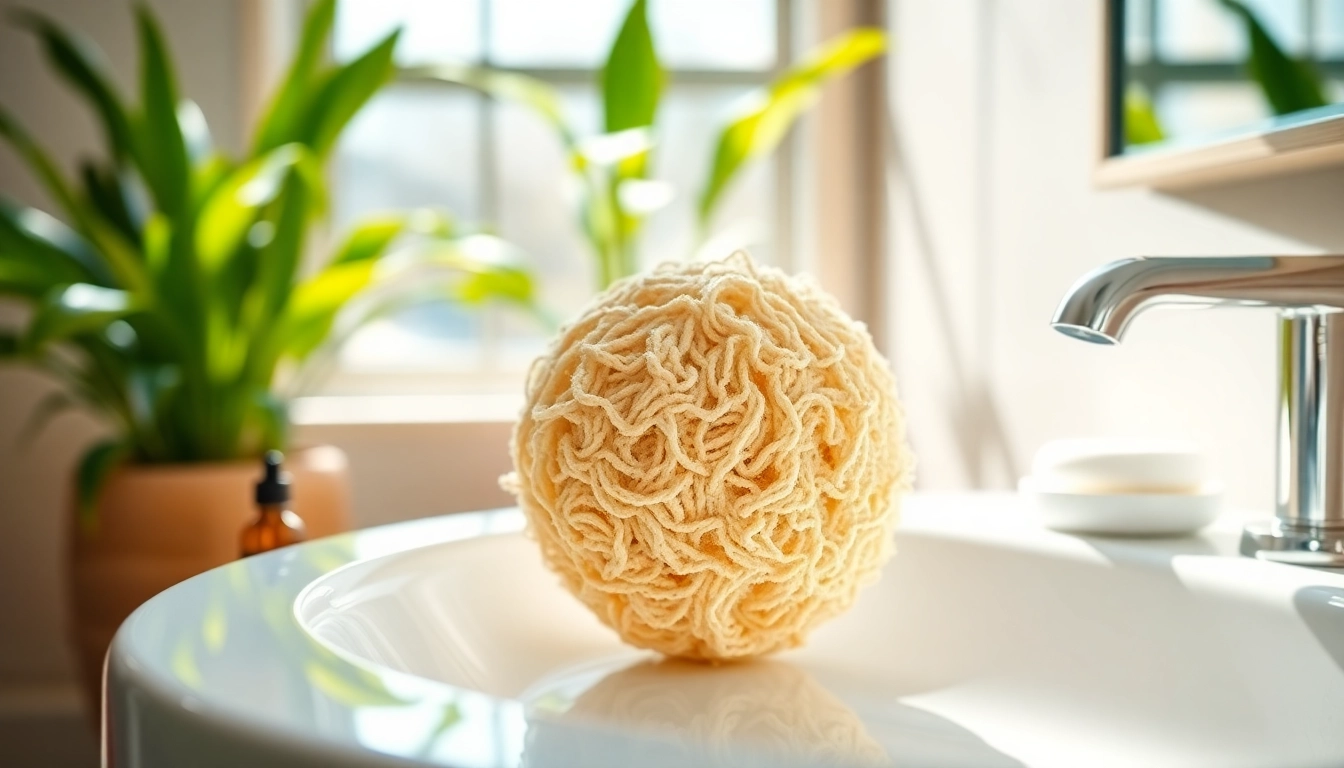
Loofahs are a popular choice for exfoliating the skin and enhancing the bathing experience. They can help remove dead skin cells, unclog pores, and leave your skin feeling fresh and rejuvenated. However, like any personal care item that comes in contact with moisture, they can harbor bacteria and fungi if not properly maintained. Learning how to clean a loofah is essential for ensuring safety and hygiene.
Why Regular Cleaning is Necessary
Cleaning your loofah is necessary for hygiene reasons. When wet, loofahs can easily become home to bacteria, mold, and other microorganisms. These pathogens can lead to skin irritations, infections, and other health issues. Regular cleaning not only prolongs the life of your loofah but also keeps your skin healthy.
Common Health Risks of Dirty Loofahs
Using a dirty loofah can introduce harmful bacteria to your skin. This can result in conditions such as:
- Skin Infections: Bacteria like Staphylococcus can lead to serious skin infections.
- Fungal Infections: Moist environments can facilitate fungal growth, causing issues like athlete's foot or toenail fungus.
- Allergic Reactions: Residual soap or body wash can trigger allergic reactions, resulting in rashes or dermatitis.
How Often You Should Clean Your Loofah
It is generally recommended to clean your loofah at least once a week. If you live in a humid climate or use your loofah daily, consider cleaning it every few days. Always check for signs of wear and tear, which might indicate that it needs replacement rather than just cleaning.
How to Clean a Loofah Naturally
Cleaning your loofah with natural methods is effective and eco-friendly. Below are some trusted methods for maintaining a clean loofah.
Using Vinegar for Effective Cleaning
Vinegar is a natural disinfectant and is effective against bacteria and mold. To clean your loofah using vinegar, follow these steps:
- Mix equal parts of white vinegar and water in a bowl.
- Soak the loofah in the mixture for about 10 to 15 minutes.
- Rinse thoroughly with warm water.
- Allow it to dry completely before using again.
Soap and Warm Water Method
One of the simplest ways to clean your loofah is by using soap and warm water. This method is effective for daily maintenance:
- Wet the loofah under warm running water.
- Apply a small amount of mild soap.
- Gently scrub the loofah with your hands or against itself.
- Rinse thoroughly to remove soap residue.
- Let it air dry completely.
Using Essential Oils as Antimicrobial Agents
Essential oils not only add aroma but also provide antimicrobial properties. To clean your loofah with essential oils, do the following:
- Add a few drops of tea tree oil or lavender oil to your vinegar solution.
- Soak the loofah in this mixture for 10 to 15 minutes.
- Rinse thoroughly and let it dry.
Best Practices for Maintaining a Clean Loofah
To ensure your loofah remains hygienic and effective, adhere to the following best practices:
Storing Your Loofah Correctly
Proper storage is crucial for keeping your loofah clean. After use, rinse it out and hang it in a well-ventilated area to allow it to dry completely. Avoid storing it in a damp, enclosed space, as this fosters bacterial growth.
Signs It's Time to Replace Your Loofah
Loofahs should not be used indefinitely. Look out for these signs indicating it's time for a replacement:
- Visible wear and tear, such as fraying or discoloration.
- Persistent smell, even after cleaning.
- The loofah does not generate lather or feels rough against the skin.
Comparing Natural vs. Synthetic Loofahs
When choosing a loofah, consider the difference between natural and synthetic types:
- Natural Loofahs: Made from the fibrous interior of a gourd, they are biodegradable and environmentally friendly but can harbor more bacteria if not cleaned regularly.
- Synthetic Loofahs: Made from plastic mesh, these are often preferred for their durability and lower bacterial retention but are not biodegradable.
Alternative Cleaning Methods for Loofahs
If you're looking for more unconventional methods to keep your loofah clean, there are several alternative approaches you might consider.
Using the Dishwasher for Cleaning
Your dishwasher can be a surprisingly effective way to clean loofahs. Simply place the loofah on the top rack and run a cycle with your regular dishwasher detergent. Ensure your dishwasher is set to a hot cycle for optimal cleanup.
Microwave Method Explained
The microwave can also be used to disinfect your loofah. Place the damp loofah in a microwave-safe bowl and heat it for about 1 minute. This will kill most bacteria; however, ensure your loofah is wet to avoid any fire hazards.
When to Use a Chemical Cleaner
If your loofah is particularly stained or foul-smelling, you might consider a diluted chemical cleaner. However, be cautious and follow the manufacturer’s instructions. Make sure to rinse thoroughly afterward to avoid skin irritation.
Frequently Asked Questions About Loofah Hygiene
How often should I clean my loofah?
It's best to clean your loofah at least once a week. If you use it daily or in a humid environment, consider cleaning it every three to four days.
Can I wash my loofah in the washing machine?
Yes, many loofahs can be safely washed in the washing machine on a gentle cycle, particularly synthetic loofahs. Always check the care instructions first.
Are loofahs hygienic to use?
Loofahs can be hygienic if cleaned regularly. Neglecting to clean them can lead to bacterial and mold growth, which can pose health risks.
What is the best way to dry my loofah after cleaning?
The best way to dry your loofah is to hang it in a well-ventilated area. Avoid enclosed spaces or damp environments that can promote mold growth.
Can I use bleach to clean my loofah?
While bleach can disinfect a loofah, it's not recommended because it can be harsh on the skin and the loofah material. Opt for natural cleaning methods when possible.