
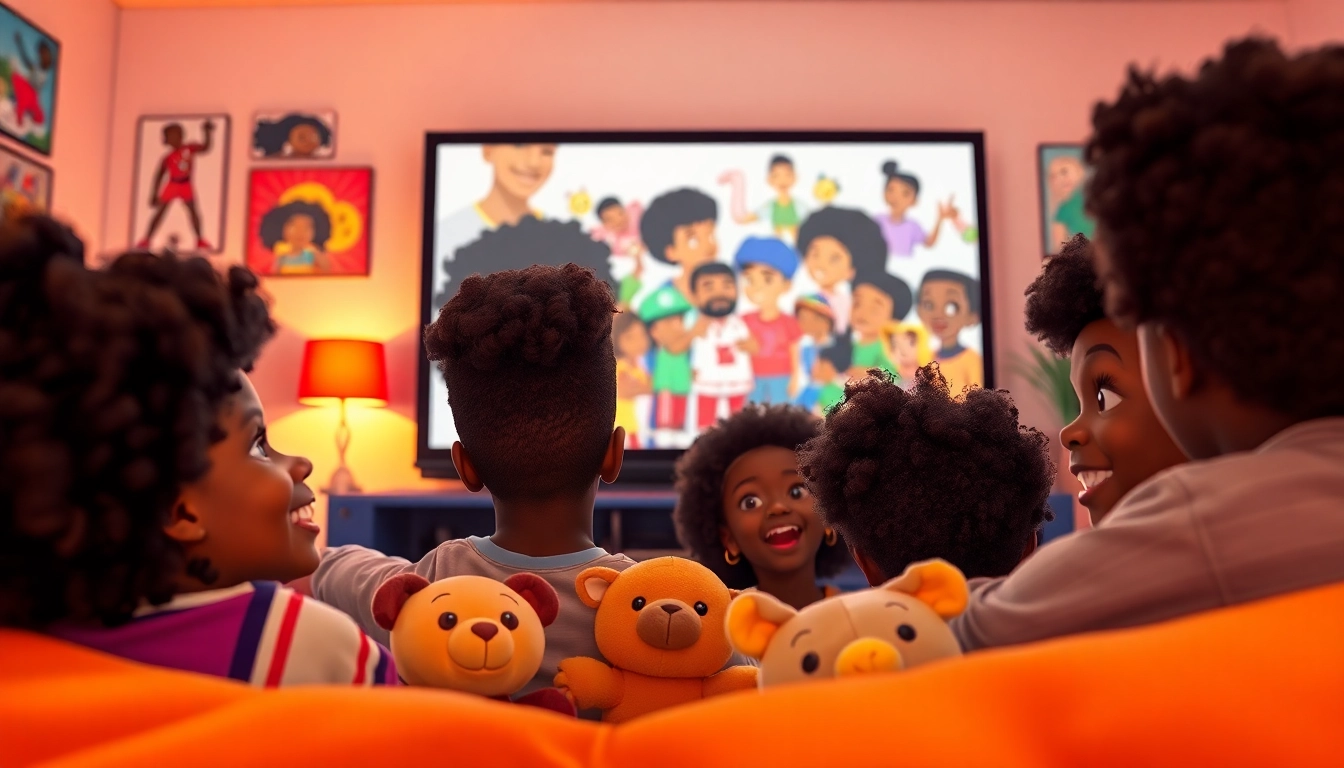
The Evolution of African American Cartoons
The landscape of animation has undergone significant transformations over the decades, reflecting cultural shifts, technological advancements, and the ongoing quest for representation. African American cartoons, in particular, play a pivotal role in showcasing diverse experiences and narratives. From historical caricatures to modern-day storytelling, the genre has evolved and continues to resonate with audiences seeking authenticity and depth. When exploring options, African American Cartoons provide a rich exploration of cultural heritage and identity.
Historical Context and Cultural Impact
The origins of African American cartoons can be traced back to the early 20th century with the rise of animated shorts and comics that often perpetuated stereotypes. However, as the civil rights movement gained momentum, creators began to challenge these representations, advocating for more nuanced and empowering portrayals. Shows like "Fat Albert and the Cosby Kids" introduced a sense of community and identity, illustrating the everyday lives of African American youth.
Key Milestones in Animation
Notable milestones in the history of African American animation include the work of pioneers such as Floyd Norman, the first African American animator at Disney, who contributed to classics like "The Jungle Book" and "Sleeping Beauty." The 2000s saw a surge in shows featuring African American protagonists, including "The Boondocks," which provided sharp social commentary, and "The Proud Family," which celebrated Black family dynamics. These series marked significant advancements in representation and storytelling.
Influence on Modern Media
Modern African American cartoons have expanded beyond traditional television, influencing various media forms, including streaming platforms, social media, and web-based animations. These series often prioritize storytelling that reflects the complexities of Black culture, history, and contemporary issues. The rise of platforms such as YouTube has also facilitated independent creators who amplify their voices and artistic expressions through animation.
Iconic Characters and Their Significance
Top African American Cartoon Characters
The impact of African American cartoons can be seen in the iconic characters that have resonated with audiences. Figures such as Huey and Riley Freeman from "The Boondocks," Frozone from "The Incredibles," and Penny Proud from "The Proud Family" are just a few examples of characters who have not only entertained but also educated viewers about cultural identity and societal issues.
Character Development and Stereotypes
Character development in African American cartoons has evolved significantly over the years, moving away from one-dimensional stereotypes towards multidimensional portrayals. Contemporary series tend to focus on character depth, individual struggles, and aspirations while challenging negative stereotypes that have historically plagued Black representation in media.
Representation in Animation
Representation in animation goes beyond appearance; it encompasses experiences and narratives that reflect the diverse realities of African Americans. As audiences demand more authentic storytelling, creators are increasingly tasked with ensuring that characters resonate with the complexities of Black life, offering viewers relatable and aspirational figures.
Trending African American Cartoons in 2026
Current Popular Series and Films
As of 2026, several African American cartoons have gained traction, showcasing unique narratives and innovative animation styles. Shows such as "Young Justice," featuring a diverse cast of heroes, and "Craig of the Creek," which explores childhood adventures within urban settings, have captivated audiences with their relatable storytelling.
Innovative Storytelling Techniques
Modern animation techniques allow for greater flexibility in storytelling, enabling creators to blend genres and explore various artistic styles. Series like "Midnight Gospel" and "Tuca & Bertie" have employed unconventional narratives and visual styles, delving into complex themes while maintaining humor and accessibility.
Audience Reception and Engagement
The reception of African American cartoons has been overwhelmingly positive, with audiences appreciating the representation and relatability of characters. Viewer engagement has surged on platforms like Instagram and TikTok, where fans share their interpretations, fan art, and discussions about their favorite series and characters, fostering a sense of community around these animated narratives.
Importance of Representation in Children's Animation
Building Identity through Cartoons
Children's animation plays a crucial role in shaping young viewers' identities. African American cartoons provide children with relatable characters and stories that reflect their experiences, helping them develop a sense of belonging and self-worth. By seeing themselves represented in media, children can foster pride in their heritage.
Educational Value of Diverse Content
Diverse content in children's animation not only entertains but also serves an educational purpose. Programs featuring African American characters often incorporate themes of resilience, community, and cultural pride, teaching children valuable life lessons in a relatable way. This educational aspect contributes to a more inclusive worldview among young audiences.
Positive Effects on Young Audiences
Research has shown that children who engage with diverse media representations are more empathetic and open-minded. African American cartoons provide positive role models who exemplify strength, creativity, and perseverance, positively impacting young viewers' emotional and social development.
The Future of African American Cartoons
Emerging Trends in Animation Styles
The future of African American cartoons is bright, with emerging trends in animation styles that prioritize innovation and authenticity. Techniques such as 3D animation, augmented reality, and VR storytelling are paving the way for immersive experiences that deepen viewer engagement and connection to characters and narratives.
Technological Advances and Their Effects
Technological advancements in animation software and distribution methods are revolutionizing how African American content is produced and consumed. The rise of streaming services has given creators the platform to share their work with a global audience, enabling fresh voices and stories to emerge.
Predictions for the Next Decade
Looking forward to the next decade, it’s anticipated that the demand for authentic representation in animation will continue to grow. New generations of creators will likely explore uncharted narratives, blending cultural traditions with contemporary themes, further enriching the landscape of African American cartoons.