Getting Started with Gardening
Gardening is an incredibly rewarding and therapeutic hobby that connects us with nature while providing us with fresh produce and aesthetically pleasing landscapes. Whether you’re an absolute beginner or someone looking to refine your skills, understanding the fundamentals of gardening is essential. Many aspiring gardeners may wonder where to start. In this comprehensive guide, we will dive into the engrossing world of Gardening, covering everything from selecting the right plants to chief techniques for nurturing a vibrant garden.
Understanding Gardening Basics
Gardening necessitates a foundational understanding of several core concepts that can dictate the success of your garden. At its core, gardening is about cultivating plants, which entails grasping the specific requirements for soil, sunlight, water, and care. To get started, familiarize yourself with different gardening types such as flower gardening, vegetable gardening, container gardening, or even hydroponics. Each gardening style comes with its own set of protocols and plant selections.
Choosing the Right Location for Your Garden
One of the most pivotal decisions in gardening is selecting the right location. Observe your potential garden site through various times of the day to identify how much sunlight it receives; most plants will thrive with at least 6-8 hours of direct sunlight daily. Additionally, consider factors such as soil drainage, proximity to water sources, and accessibility for maintenance. These environmental conditions will significantly influence your plant selection and overall garden health.
Essential Tools Every Gardener Needs
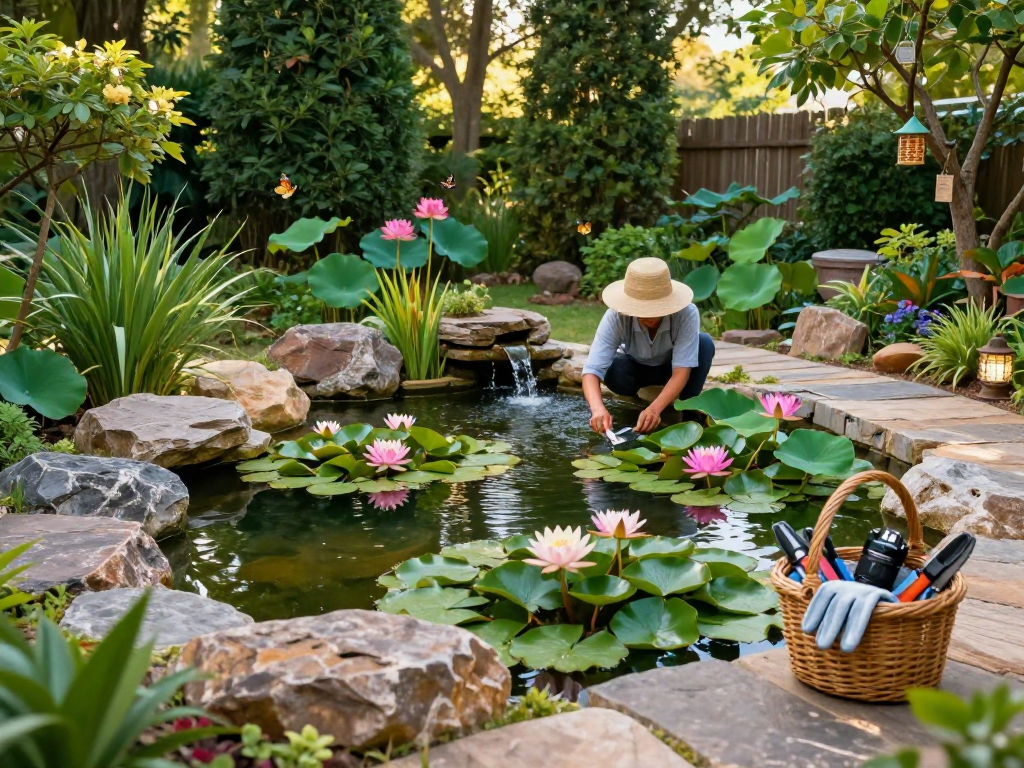
Having the right tools can make a substantial difference in your gardening experience. Essential tools for beginners typically include:
- Hand Tools: Trowels, weeders, and hand forks are great for small gardening tasks.
- Gloves: Protecting your hands is crucial, especially when working with soil and plants that may have thorns or irritants.
- Watering Can and Hose: Ensuring your plants receive adequate moisture is a key gardening task.
- Pruners: Essential for maintaining plant health through trimming and shaping.
- Rake and Shovel: Useful for soil preparation and debris removal.
Investing in high-quality tools not only enhances your efficiency but can also improve your overall gardening experience.
Soil and Plant Selection
Importance of Quality Soil in Gardening
Soil is often referred to as the heart of the garden. The quality of soil influences plant growth immensely, as it provides the essential nutrients and support that plants need to thrive. Successful gardening begins with understanding your soil’s composition—testing for pH levels, organic matter content, and drainage is vital. You may discover sandy soil, clay soil, or loamy soil, each requiring different amendments and preparations to optimize their planting potential.
Selecting the Best Plants for Your Climate
The climate in your region dictates what plants will flourish in your garden. Consider native plants, as they are already adapted to your climate and soil types, offering a built-in resilience against pests and diseases. Understanding hardiness zones is critical; these zones detail which plants are best suited for your specific weather conditions. Furthermore, think about seasonal gardens versus perennial gardens according to your climatic capabilities.
Companion Planting Techniques
Companion planting involves strategically growing different types of plants in proximity to enhance growth and deter pests. For instance, planting basil alongside tomatoes can help improve their flavor while repelling harmful insects. Effective companion planting can significantly improve your garden's productivity and health, making it a popular practice among experienced gardeners. Familiarize yourself with common companions and antagonists before planting together.
Watering and Maintenance Techniques
Watering Strategies for Healthy Plants
Proper watering techniques are vital to ensuring healthy plants. Overwatering and underwatering are two common pitfalls that many gardeners face. A general rule of thumb is to water deeply but infrequently. This approach encourages roots to grow deeper into the soil for stability and access to water. Use mulch around plants to retain moisture and regulate soil temperature. Plan your watering schedule based on the specific needs of your plants and prevailing weather patterns.
Common Gardening Mistakes to Avoid
Even seasoned gardeners can fall prey to mistakes. Some common pitfalls include:
- Neglecting Soil Preparation: Planting in poor soil without amendments can lead to underwhelming results.
- Overcrowding Plants: Give each plant adequate space to grow; overcrowded plants compete for resources.
- Ignoring Pest Signs: Regularly examining your plants for pest signs can help mitigate bigger issues down the line.
Learning from these common mistakes provides valuable lessons that contribute to your gardening success.
Using Mulch for Weed Control
Mulching is an effective strategy for managing weeds and maintaining soil health. Organic mulches made from wood chips, straw, or grass clippings can suppress weed growth, reduce moisture evaporation, and improve soil quality as they decompose. A layer of 2-3 inches of mulch around your plants can make a significant difference in your garden's efficiency and appearance.
Organic Gardening Practices
Benefits of Organic Gardening
Organic gardening adheres to practices that prioritize sustaining environmental health. By utilizing natural alternatives to chemical pesticides and synthetic fertilizers, organic gardening promotes biodiversity and protects essential ecosystems. The benefits include healthier produce, improved soil structure, and the mitigation of pollution in local waterways. Shifting to organic practices can also yield long-term sustainability for gardeners and the environment alike.
Natural Pest Control Methods
Pest control in organic gardening relies primarily on prevention and natural solutions. Use methods such as:
- Physical Barriers: Floating row covers or nets can safeguard plants against insects.
- Beneficial Insects: Introduce insects like ladybugs and lacewings that prey on harmful pests.
- Homemade Sprays: Solutions using garlic, soap, or neem oil can deter pests while remaining non-toxic.
By utilizing these natural methods, you can achieve pest management without putting your plants or the environment at risk.
Composting for Sustainable Gardening
Composting transforms organic waste into nutrient-rich soil amendments, enhancing the health of your garden while minimizing waste. Start a compost pile using kitchen scraps, grass clippings, and autumn leaves. Regularly turning the compost pile promotes aeration and decomposition. As your compost matures, incorporate it into your garden beds to increase soil fertility and structure while playing a significant role in sustainable gardening practices.
Seasonal Gardening Tips for Year-Round Success
Spring Gardening: Best Practices
Spring heralds the beginning of the gardening season in many regions. During this time, prepare your garden by tilling the soil, adding amendments, and selecting plants suited to the season. Spring is the ideal time for sowing seeds and planting cool-weather crops such as peas and lettuce, setting the foundation for a bountiful harvest.
Preparing Your Garden for Winter
As the growing season draws to a close, taking steps to prepare your garden for winter is crucial. This includes cleaning up plant debris, mulching perennials, and protecting delicate plants with row covers or cloches. Additionally, consider adding organic matter to your soil during the fall, creating a nutrient-rich environment for the spring's awakening.
Adapting Gardening Techniques for Each Season
Understanding how seasons change your gardening practices is critical for long-term success. Each season brings its own set of opportunities and challenges; hence incorporating techniques and adjustments is essential. Learn about seasonal planting, appropriate crop rotation, and adapting maintenance practices based on climate variations. Being proactive will enhance your resiliency as a gardener.
Conclusion: Cultivating Your Gardening Journey
Gardening is an enriching experience that connects us to nature while granting us the opportunity to cultivate fresh produce and vibrant landscapes. By mastering the fundamentals, employing organic practices, and adapting to the evolving environment around you, anyone, from novice to expert, can cultivate a flourishing garden. Remember, every gardener’s path is personal, and the lessons learned through trial and error are what truly shape your journey. Explore new plants, share your experiences, engage with fellow gardeners, and enjoy every step of the way!