Introduction to Gardening
Gardening is more than just a hobby; it is an art form, a science, and a way to connect with nature. It encompasses the cultivation of plants, flowers, and vegetables in designated areas, offering a plethora of personal and environmental benefits. Whether you're a novice intrigued by the process or a seasoned cultivator looking to expand your green thumb, understanding the essentials of Gardening can transform your experience into something much more fulfilling.
What is Gardening?
At its core, gardening refers to the practice of growing and cultivating plants for various purposes, which may include aesthetic appeal, food production, or environmental enhancement. It involves careful planning, execution, and ongoing management of plant life. Gardening can take many forms: from vegetable and herb gardens to ornamental flower beds and container gardening. Each type requires a unique approach, depending on factors like plant choice, climate, and available space.
The Benefits of Gardening
The advantages of gardening are vast and impactful. Not only does it allow for the production of fresh produce, reducing reliance on store-bought goods, but it also contributes significantly to physical and mental well-being. Here are some of the key benefits:
- Physical Health: Gardening acts as a form of exercise, promoting physical fitness through activities such as digging, planting, and weeding, which can lead to improved cardiovascular health.
- Mental Well-being: Engaging in gardening practices can reduce stress, anxiety, and depression. The act of nurturing plants can provide a sense of accomplishment and joy.
- Environmental Impact: Healthy gardens can enhance biodiversity, attract pollinators, and improve air quality in urban areas.
- Community Building: Community gardens foster a sense of belonging and cooperation among neighbors, promoting social interaction and collaboration.
Getting Started with Gardening
Beginning your gardening journey requires a few foundational steps. Select a suitable location with adequate sunlight, access to water, and good drainage. It's advisable to start small—perhaps with a few containers or a small patch of soil—before expanding to a larger garden. Familiarize yourself with basic gardening concepts and local conditions to tailor your approach to your specific environment.
Choosing the Right Plants for Your Garden
The selection of plants is crucial to the success of your garden. Understanding your local climate, soil type, and personal preferences will help you choose plants that not only grow well but also thrive in their environment.
Understanding Plant Varieties
Each plant has specific growth requirements and characteristics. Familiarize yourself with different plant varieties, including annuals, perennials, and biennials, to understand their life cycles and requirements. For example:
- Annuals: These plants complete their life cycle within one growing season, providing immediate and vibrant blooms.
- Perennials: These plants regrow year after year, making them a sustainable choice for long-term gardens.
- Biennials: Such plants typically take two years to complete their life cycle, often flowering in the second year.
Seasonal Plant Selection
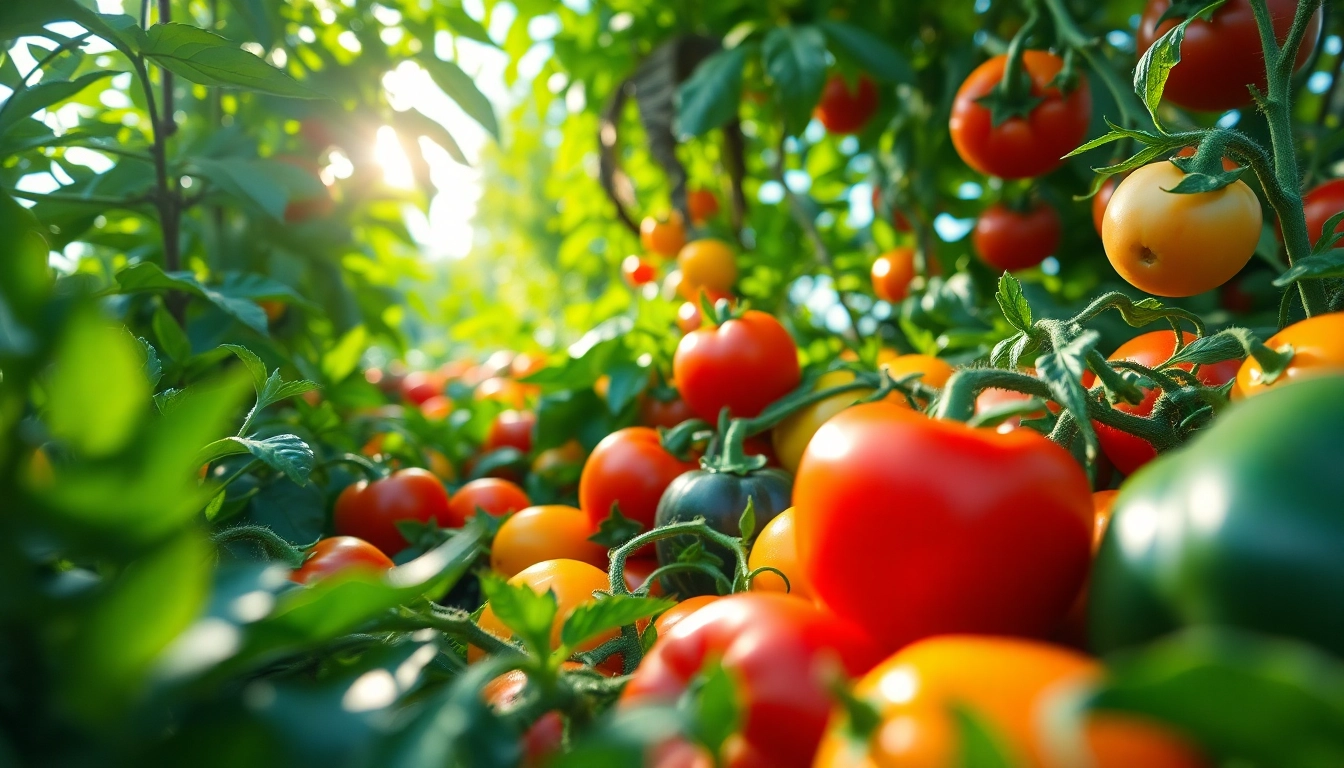
Selecting plants based on the season is vital. Cool-season crops, such as lettuce and spinach, thrive in spring and fall, while warm-season plants like tomatoes and peppers flourish in summer. Researching local planting calendars and frost dates will guide your selections to maximize yields.
Companion Planting Strategies
Companion planting involves growing plants together that benefit one another. This mutualism can improve growth, repel pests, and enhance the flavor of produce. For effective companion planting, consider the following pairings:
- Basil and Tomatoes: Basil can enhance the flavor of tomatoes while repelling pests.
- Marigolds and Most Vegetables: Marigolds can deter aphids and nematodes, protecting surrounding plants.
- Corn, Beans, and Squash: Known as the "Three Sisters," these plants support each other through their growth habits.
Essential Gardening Tools and Equipment
Utilizing the right tools and equipment is crucial for efficient gardening. Whether you’re pruning, digging, or planting, each tool has a specific role to play in maintaining a flourishing garden.
Basic Tools Every Gardener Needs
To get started, here are some essential tools that every gardener should consider having:
- Hand trowel: An indispensable tool for digging small holes, transplanting seedlings, and removing weeds.
- Pruning shears: For maintaining healthy plant growth, pruning shears are necessary for cutting back branches and harvesting.
- Garden rake: Useful for leveling soil and removing debris, contributing to a tidy and well-structured garden bed.
- Watering can or hose: Adequate hydration is crucial, and the method of watering will depend upon your garden's scale and design.
Specialized Equipment for Advanced Gardening
As your gardening skills grow, so too may your need for specialized tools and equipment. Consider these options:
- Soil testing kit: Understanding your soil's composition can lead to more targeted amendment strategies.
- Garden fork: Useful for breaking up hard soil and incorporating compost or fertilizers.
- Seed starting trays: These allow for the efficient germination of seeds before planting them in larger garden spaces.
Maintaining Your Gardening Tools
Taking care of your tools can extend their lifespan and improve your gardening efficiency. Clean your tools after each use, store them in a dry location, and regularly check for rust or damage. Sharpen blades to ensure clean cuts when pruning and cutting, as this helps to promote healthier plant growth.
Soil Preparation and Fertilization Techniques
The foundation of any successful garden is healthy soil. Properly preparing your soil and understanding fertilization techniques is vital for nurturing robust plant life.
Understanding Soil Types
Soil is classified into several types, including sandy, clay, silt, and loam. Each has different properties influencing plant growth. For instance:
- Sandy soil: Drains well but may require frequent watering and nutrient supplementation.
- Clay soil: Retains moisture but can become compacted, limiting root growth.
- Loam: Considered ideal for gardening, loam combines clay, silt, and sand, providing excellent drainage and nutrient retention.
Fertilizer Options for Your Garden
Fertilizers are essential for supplementing nutrients in depleted soils. They come in various formulations, including granular and liquid, each with specific applications. Here are typical fertilizer options:
- Compost: An organic option that enhances soil structure and provides essential nutrients.
- Inorganic fertilizers: These are widely available and useful for quick nutrient release. Understanding the N-P-K ratio (Nitrogen-Phosphorus-Potassium) guides nutrient balance.
- Organic fertilizers: Derived from natural sources and sustainable practices, these release nutrients slowly, promoting long-term soil health.
Organic vs. Chemical Fertilizers
Choosing between organic and chemical fertilizers can significantly impact your garden’s health. Organic fertilizers, such as bone meal, fish emulsion, and compost, promote biodiversity, improve soil health, and reduce chemical runoff. Conversely, chemical fertilizers provide immediate nutrient boosts but may lead to soil degradation over time. Understanding your garden's needs is crucial in making this decision.
Managing Your Garden: Watering and Pest Control
Your garden's success hinges on effective management, especially concerning watering practices and pest control strategies. Implementing best practices ensures that your garden remains productive and healthy.
Effective Watering Techniques
Watering is essential for plant health, but it must be done correctly. Overwatering can lead to root rot, while underwatering can stress plants. Here are some effective watering techniques:
- Drip irrigation: Delivers water directly to the plant roots and conserves water by minimizing evaporation.
- Soaker hoses: These allow water to seep slowly into the soil, providing necessary moisture and reducing weed growth.
- Watering schedule: Establish a consistent routine, considering factors such as climate and plant type to determine frequency and duration of watering.
Identifying Common Garden Pests
Pests can harm your plants significantly. Understanding common pests such as aphids, slugs, and beetles allows for early intervention. Regularly inspect your plants for signs of distress, such as yellowing leaves or physical damage, to address any pest issues promptly.
Natural Pest Control Methods
Instead of relying on chemical insecticides, consider employing natural pest control strategies. Here are some effective methods:
- Beneficial insects: Attracting ladybugs and lacewings can help control aphid populations naturally.
- Neem oil: This organic pesticide deters a variety of pests while still being safe for beneficial species.
- Homemade solutions: A mixture of dish soap and water can effectively repel pests without harmful chemicals.