Getting Started with Gardening
Gardening is a rewarding and therapeutic hobby that allows you to connect with nature, grow your own food, and beautify your environment. Whether you are starting from scratch or looking to enhance your existing garden, it’s important to understand the key concepts that will help you cultivate a lush and productive space. By grasping the fundamentals of Gardening, you can create a flourishing garden that brings joy and sustenance to your life.
Understanding Your Growing Environment
Every garden is unique, heavily influenced by environmental factors such as climate, soil type, sunlight, and humidity. Understanding these factors is the first step in ensuring the success of your gardening efforts.
- Climate: Different regions experience varying temperatures and weather patterns. It's crucial to select plants that are suited to your local climate. Utilizing hardiness zones can guide you on which plants will thrive in your area.
- Soil Type: The composition of your soil plays a significant role in the health of your plants. Conduct a soil test to determine pH levels, nutrient content, and soil texture (sandy, clay, or loamy).
- Sunlight: Most plants require at least 6 hours of direct sunlight daily. Observe your garden throughout the day to see where sunlight is available and choose your planting locations accordingly.
- Humidity: This affects transpiration rates in plants. Be mindful of water needs, particularly in high-humidity areas where evaporation is slower.
Choosing the Right Plants for Your Garden
When it comes to selecting plants for your garden, consider a mixture of native species, vegetables, and ornamental plants. Native plants are often more resilient and require less maintenance, while a diverse selection can enhance biodiversity and create a vibrant ecosystem.
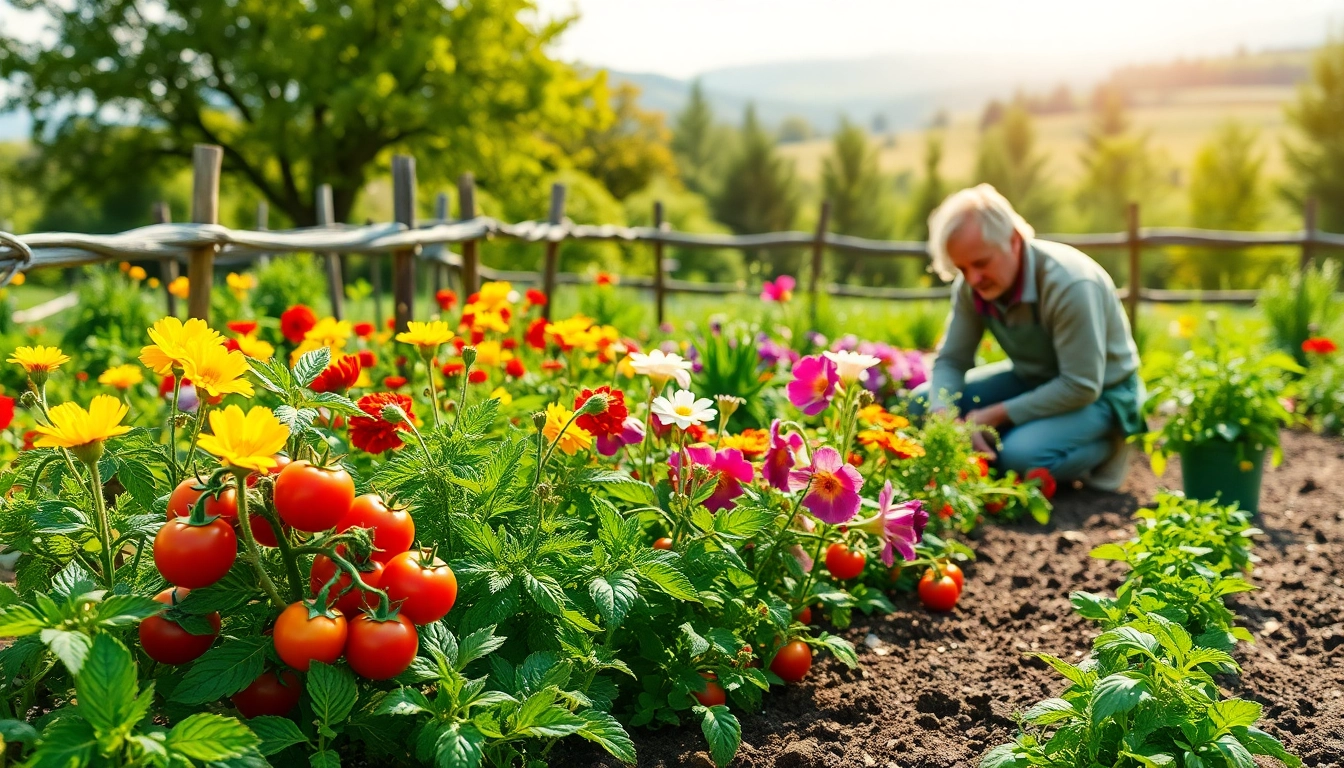
Begin by choosing plants that will flourish in your specific growing conditions. Research the care requirements for each type, including water needs, spacing, and growth habits. For a beginner, it may be beneficial to start with hardy vegetables, such as tomatoes or peppers, and gradually introduce more exotic plants as your gardening skills improve.
Essential Gardening Tools and Supplies
A well-equipped gardener is often a successful gardener. Having the right tools and supplies on hand can make your gardening experience smoother and more enjoyable.
- Hand Tools: Invest in quality hand tools such as trowels, pruners, and weeders. These will help you execute basic gardening tasks with ease.
- Watering Equipment: Depending on your garden size, consider hoses, watering cans, or drip irrigation systems for time-efficient watering.
- Protective Gear: Gardening gloves, knee pads, and sun hats will not only provide comfort but also protect you from injuries and sun exposure while working in the garden.
- Soil Amendments: Keep fertilizers, compost, and mulch handy to enrich your soil and promote healthy plant growth.
Soil Preparation for Successful Gardening
A healthy garden begins with well-prepared soil. Preparing your soil properly lays the foundation for robust plant growth and increases overall yield.
Testing and Amending Your Soil
Soil testing is essential to understand the nutrient profile and pH balance of your growing medium. Many local extension services provide soil testing kits or services.
Once you have a soil test, you can amend the soil to address deficiencies. Common amendments include:
- Organic Matter: Adding compost improves soil structure, water retention, and nutrient availability.
- Nutrients: Depending on your soil test, you may need to add specific fertilizers to boost nitrogen, phosphorus, or potassium levels.
- pH Adjustments: Lime can be added to raise soil pH, while sulfur can be used to lower it, ensuring optimal growth conditions.
Choosing Organic Fertilizers
Organic fertilizers are an excellent choice for gardeners looking to enrich their soil while maintaining sustainability. These fertilizers improve not just plant health, but also soil health and biodiversity. Some popular organic fertilizers include:
- Compost: Decomposed organic matter that adds nutrients to the soil.
- Manure: Animal manure (well-composted) is a rich source of nitrogen.
- Bone Meal: Provides phosphorus, supporting root development and flowering.
- Fish Emulsion: Fast-acting organic liquid fertilizer that's high in nitrogen.
Understanding Soil Types and Drainage
Soil types significantly influence water retention and drainage capabilities. Understanding these characteristics is vital for plant selection and garden design.
- Sandy Soil: Drains quickly but may dry out too easily; amend with organic matter to improve water retention.
- Clay Soil: Holds water well but can become compacted; improve drainage with sand and organic materials.
- Loamy Soil: A balanced mixture of sand, silt, and clay, making it ideal for most plants.
Watering Techniques for Healthy Gardening
Watering is a critical element of successful gardening. Mastering proper watering techniques can greatly influence plant health and productivity.
Importance of Watering Schedules
Establishing a consistent watering schedule is vital. Most gardens require about 1 inch of water per week, either from rainfall or irrigation. Ensure that you water early in the morning to minimize evaporation loss and fungal growth. Adjust watering frequency based on rainfall, plant size, and weather conditions.
Methods for Efficient Water Usage
Efficient water usage not only conserves resources but also promotes stronger plant growth. Consider the following methods:
- Drip Irrigation: This system delivers water directly to the root zone, reducing waste.
- Soaker Hoses: These allow water to seep out slowly, providing even moisture distribution.
- Mulching: Applying mulch around plants helps retain soil moisture and reduces evaporation.
Identifying Signs of Over or Under-Watering
Recognizing water-related problems early can save your plants from distress. Signs include:
- Over-Watering: Yellowing leaves, root rot, and wilting despite wet soil.
- Under-Watering: Wilting, dry leaves, and stunted growth.
Adjusting your watering practices immediately upon noticing these symptoms can often bring affected plants back to health.
Managing Pests and Diseases in Your Garden
Like any ecosystem, gardens face challenges from pests and diseases. Developing a proactive management plan is crucial for maintaining plant health.
Common Pests and How to Prevent Them
Identifying common garden pests is the first step in prevention. Some notorious pests include:
- Aphids: These small bugs can cause stunted growth by feeding on plant sap.
- Slugs and Snails: They can create holes in leaves and damage young plants.
- Spider Mites: Tiny pests that cause stippling on leaves and can lead to leaf drop.
To prevent infestations, regularly inspect plants, maintain healthy soil, and introduce beneficial insects such as ladybugs.
Natural Remedies for Garden Diseases
When it comes to diseases, early detection is vital. Common diseases include:
- Powdery Mildew: A fungal disease often prevented by ensuring good air circulation among plants.
- Root Rot: Caused by overwatering; avoid by improving soil drainage and watering properly.
- Blight: Affects leaves and fruits; regular removal of infected plant matter can slow its spread.
Natural remedies such as neem oil, baking soda sprays, and copper fungicides can help combat disease without compromising the ecosystem.
Creating a Pest Management Plan
A comprehensive pest management plan combines prevention, monitoring, and control strategies. This plan should include:
- Monitoring plants regularly for signs of pests or diseases.
- Identifying pest thresholds, determining when intervention is necessary.
- Utilizing a mix of organic and integrated pest management practices to minimize impact.
Harvesting and Maintenance for a Thriving Garden
Well-timed harvesting and proper garden maintenance ensure you reap the benefits of your hard work throughout the growing season and beyond.
When and How to Harvest Your Crops
Knowing when to harvest can greatly enhance your garden's yield. Look for signs of ripeness, which can vary based on the crop. For instance, tomatoes should be harvested fully colored, while leafy greens may be picked regularly throughout their growth cycle.
Utilize sharp tools to minimize damage when harvesting, and consider harvesting early in the morning for peak freshness.
Seasonal Gardening Tips for Continued Growth
Each season requires different tasks to keep your garden flourishing. Consider these seasonal tips:
- Spring: Focus on planting new seeds, preparing soil, and controlling weeds.
- Summer: Regularly water and monitor for pests, prune as needed, and enjoy the harvest.
- Fall: Begin winter preparations by cleaning up debris and planting cover crops.
- Winter: Plan for spring, start indoor seedlings, and maintain tools.
Preparing Your Garden for the Next Season
As one season transitions to the next, preparation is key to ongoing success. After harvesting, cleaning up your garden, including removing dead plant material and weeds, helps prevent diseases in the future. You might also consider planting cover crops to improve soil health during the off-season.
Engage in strategic planning by considering crop rotation to maintain soil nutrient balance. This practice can help minimize pest problems and diseases while enhancing soil fertility.