Understanding the Importance of Smog Check Plus
As environmental concerns grow, the significance of ensuring vehicle compliance with emission standards cannot be overstated. A crucial aspect of vehicle maintenance is the Smog Check Plus, which not only promotes public health but also enhances vehicle performance. These checks are mandatory in various states and regions, making understanding their importance essential for car owners and operators alike.
What is Smog Check Plus?
Smog Check Plus is a comprehensive vehicle inspection service aimed at evaluating and ensuring the effectiveness of a vehicle’s emissions control system. Unlike standard smog checks, Smog Check Plus typically includes more detailed assessments, looking beyond basic emissions levels to understand the overall performance and compliance of a vehicle.
The goal of Smog Check Plus is to identify potential issues that could lead to excessive emissions or poor fuel efficiency. This might include checking components such as the fuel system, catalytic converter, and onboard diagnostics (OBD-II) for any trouble codes. By focusing on these areas, Smog Check Plus helps to prevent vehicles from contributing to air pollution and provides insights into necessary repairs before they escalate into larger, more costly problems.
Benefits of Regular Smog Checks
Regular smog checks, especially the enhanced Smog Check Plus, come with multiple benefits. Firstly, they play a significant role in public health by minimizing harmful emissions that contribute to air pollution. Secondly, they assist in prolonging a vehicle’s lifespan; regular assessments can detect early signs of wear or malfunction, allowing for preventive maintenance.
Additionally, many states require proof of a valid smog check for vehicle registration renewal. Failing to comply can lead to hefty fines or vehicle impounding. Financially, vehicles that pass smog checks tend to have higher resale values, making them more attractive to prospective buyers.
Regulations and Standards Overview
Each state has specific regulations regarding vehicle emissions and smog checks. Generally, the Environmental Protection Agency (EPA) sets the foundation for these laws, which states then tailor to their specific air quality needs. The Smog Check Plus often adheres to stricter standards due to its comprehensive nature, including additional evaluations for vehicles that may have higher emissions rates or are older and potentially more polluting.
Understanding these regulations is crucial for vehicle owners, as compliance not only contributes to environmental health but also ensures that they avoid legal repercussions associated with neglecting necessary inspections.
Preparing for Your Smog Check Plus
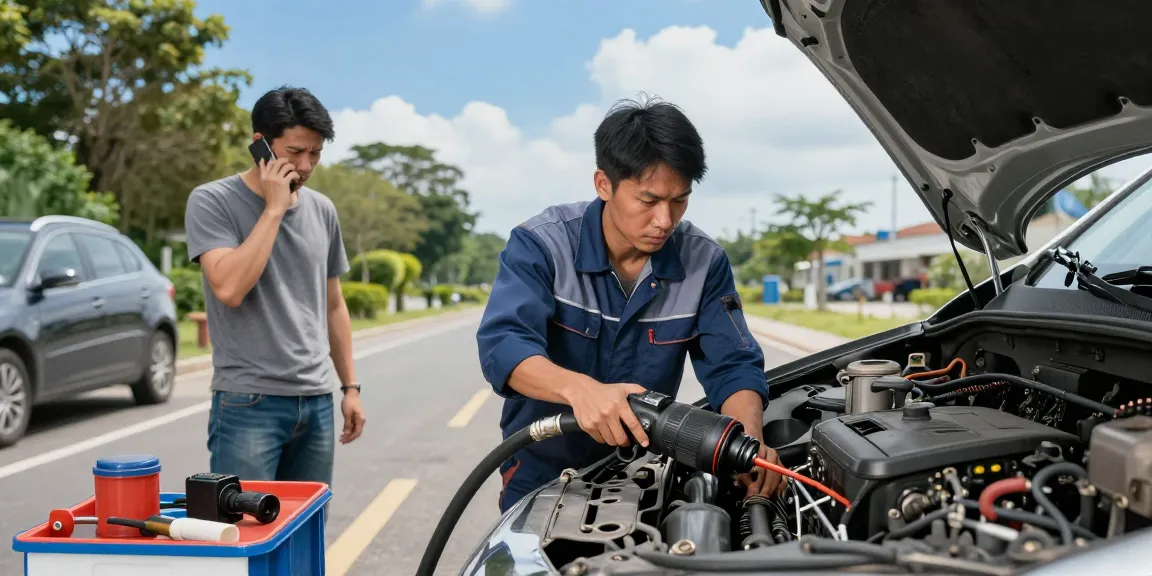
Preparation is key when it comes to ensuring your vehicle passes the Smog Check Plus. Taking time to address potential issues before the inspection can save money and time in the long run. Here are some essential steps to prepare effectively.
Pre-Check Maintenance Tips
Conducting basic maintenance on your vehicle before undergoing a smog check can have a significant impact on the outcome of the inspection. Here are some tips:
- Change the Oil: Old oil can release higher smoke emissions. Ensuring your oil is fresh can lead to better performance.
- Check the Air Filter: A clean air filter can enhance fuel efficiency, reducing emissions during the test.
- Inspect the Exhaust System: Look for leaks, especially at the tailpipe, which can negatively affect emissions readings.
- Tire Pressure: Under-inflated tires can affect fuel efficiency, thus indirectly affecting emissions.
Common Issues to Look Out For
Before heading in for a Smog Check Plus, it’s vital to be aware of common issues that could cause a failure:
- Check Engine Light: If this light is on, it’s a warning that something may be wrong with your vehicle's emissions system.
- Failing Catalytic Converter: This critical component helps reduce harmful emissions. A malfunction can lead to increased emissions.
- Fuel Leaks: Any leaks can affect the combustion process, leading to unburned fuel emissions.
Documentation You’ll Need
When you go for a Smog Check Plus, it's essential to bring certain documents, including:
- Vehicle Registration: Ensure your paperwork is up to date and reflects the correct information.
- Previous Smog Check Results: Previous tests can provide insights into your vehicle's performance over time.
- Proof of Repairs: If you’ve had repairs done related to emissions, bring along documentation to show compliance.
What to Expect During a Smog Check Plus
Knowing what to expect during a Smog Check Plus can help ease any concerns you may have about the process. Here’s an overview of the typicality involved.
Step-by-Step Process
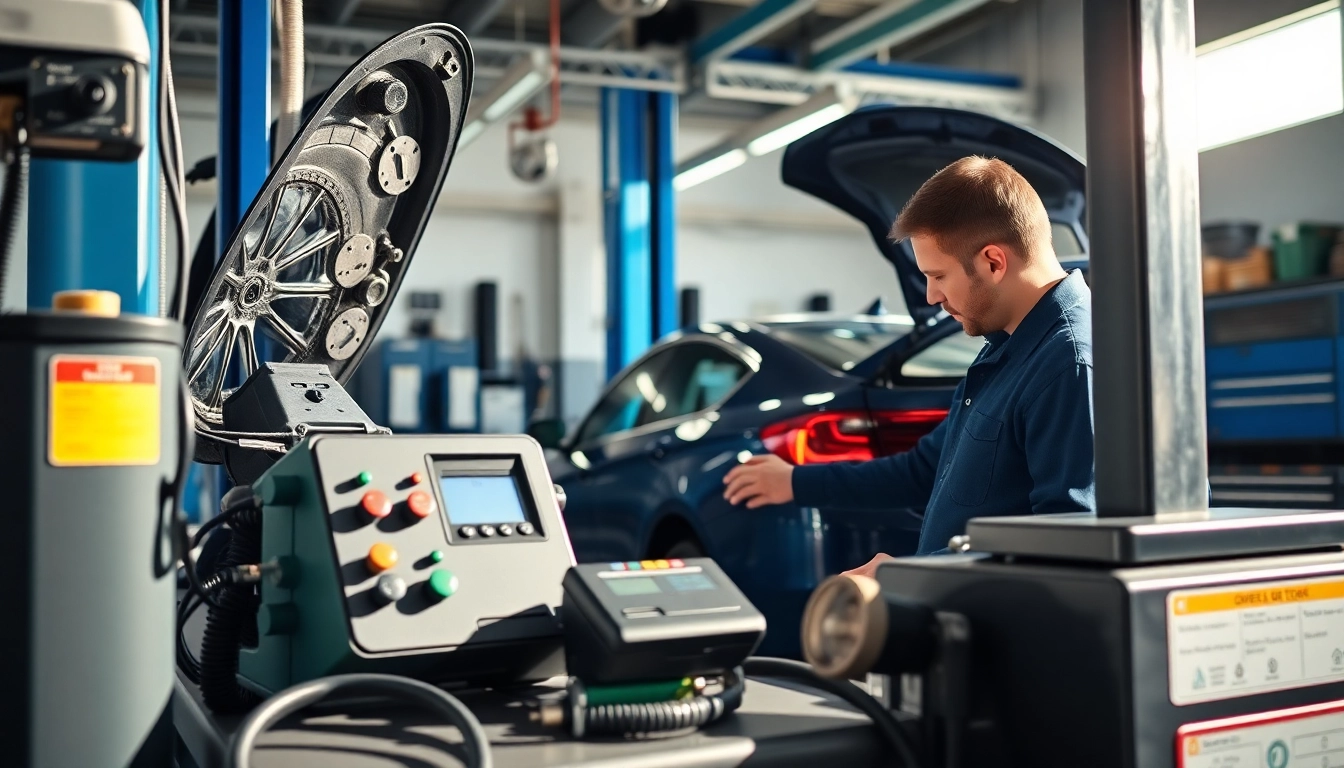
The Smog Check Plus process often involves a series of systematic steps:
- Visual Inspection: Technicians typically start with a visual examination of the vehicle's emissions components.
- OBD-II Scan: This step assesses the vehicle’s onboard diagnostics. A faulty OBD system can indicate emissions problems.
- Tailpipe Emissions Test: Exhaust emissions are measured during this phase to determine compliance with local regulations.
- Dynamic Test (if applicable): Some tests may involve a “road test” to assess emissions under various conditions.
Duration of the Inspection
The duration of a Smog Check Plus can vary based on several factors, such as vehicle make and model, but generally, the process takes about 30 minutes to an hour. If any issues are found that require further inspection or repairs, this may extend the time significantly.
Understanding Test Results
After completing the Smog Check Plus, understanding the test results is crucial. If the vehicle passes, you will receive certificates needed for registration. If it fails, you’ll receive a report detailing the reasons for failure, which will guide necessary repairs. Make sure to discuss potential solutions and repairs with the technician, as they can provide valuable insights into what measures are needed to achieve compliance.
Cost-Effectiveness of Smog Check Plus
While the initial cost of a Smog Check Plus may seem like an additional expense, considering the long-term benefits can help illustrate its cost-effectiveness.
Average Costs for Services
In general, the cost of a Smog Check Plus varies depending on the location and type of vehicle, ranging from approximately $40 to $100. It’s advisable to shop around and compare prices. Some facilities may offer additional services, such as emissions repair or vehicle maintenance, which can enhance the smog checking process.
Long-Term Financial Benefits
Investing in regular smog checks leads to long-term financial advantages. A vehicle that consistently meets emissions standards is typically more fuel-efficient, which can lead to savings on gas over time. Additionally, addressing minor issues detected during a Smog Check Plus can prevent them from becoming major, expensive problems down the line, ultimately saving both time and capital.
Insurance and Discounts Analysis
In some regions, car insurance companies offer premiums discounts for vehicles that comply with emissions standards. Fulfilling your smog check requirements not only enhances your vehicle’s operational efficiency but can also lower insurance costs, making this a win-win situation.
After Your Smog Check Plus: Next Steps
Completing a Smog Check Plus doesn’t mark the end of your vehicle’s maintenance journey. Following up with necessary actions is vital.
Evaluating Your Vehicle’s Performance
Once you receive your results, it's crucial to evaluate your vehicle's performance. If the results were satisfactory, consider developing a regular maintenance schedule based on the suggestions made during the inspection. If issues were found, prioritize addressing these as soon as possible to maintain compliance and prevent future failures.
Fixing Non-Compliance Issues
Should your vehicle fail the Smog Check Plus, take immediate action to repair the non-compliance issues. Seek out a qualified technician to address the specific problems outlined in the inspection report. Many vehicle owners find that prompt repairs not only help regain compliance but can also lead to improved vehicle performance and efficiency.
Scheduling Future Checks and Maintenance
Lastly, regular maintenance is key to ongoing vehicle compliance. Schedule your next Smog Check Plus as recommended based on the outcome of your recent inspection. Staying ahead of regular maintenance and checks will ensure your vehicle remains compliant, effective, and a reliable performer on the road.