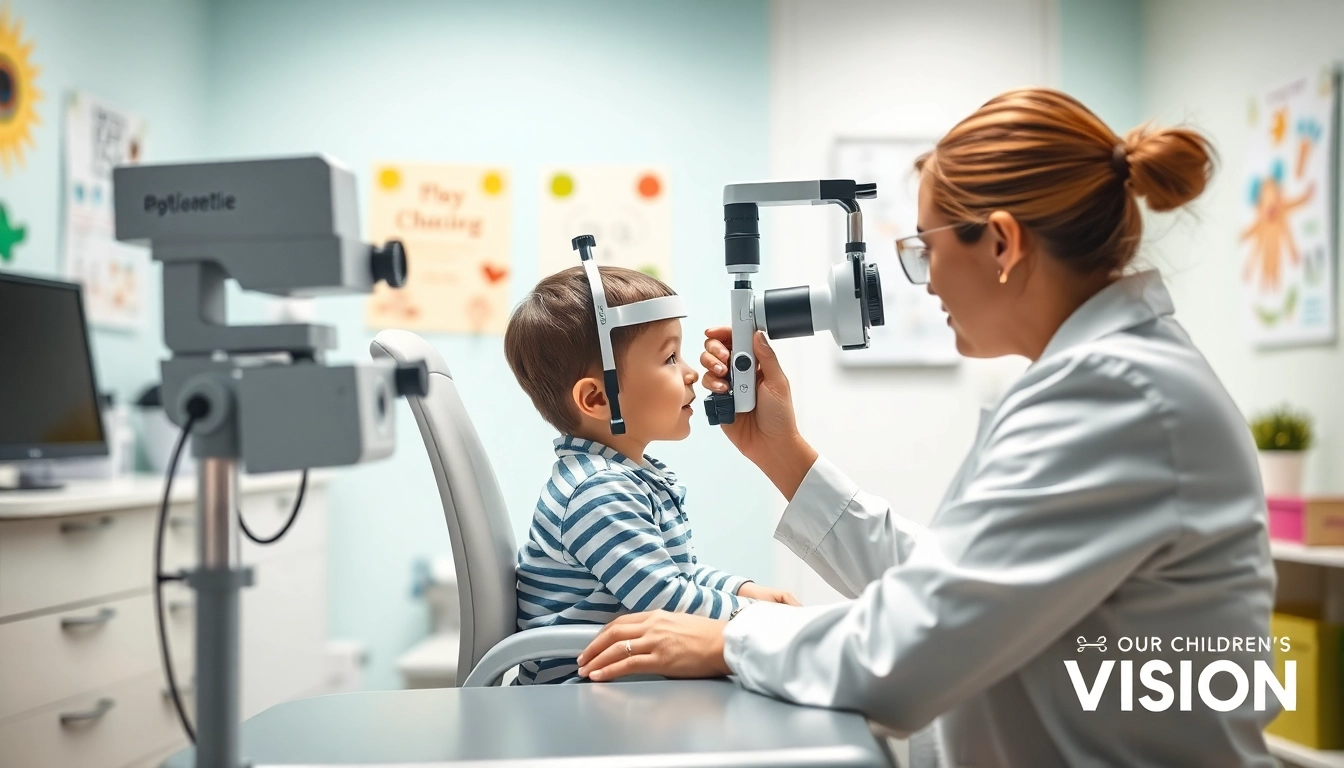
Understanding the Importance of Our Children's Vision
Vision is an essential sense that significantly impacts a child’s overall development, learning, and future opportunities. The degradation of eye health in children can lead to numerous educational challenges and social issues. As we navigate through the complexities of child vision care, the initiative associated with Our Children's Vision becomes a significant reference point for addressing these critical needs.
What Influences Children's Eye Health?
Several factors influence children’s eye health, ranging from genetic predispositions to environmental aspects. Genetics can determine susceptibility to certain eye conditions, while environmental elements such as screen time, nutrition, and exposure to natural light play pivotal roles in vision development.
For instance, a diet deficient in essential nutrients like Vitamin A, Omega-3 fatty acids, and antioxidants can lead to poor vision. Moreover, prolonged exposure to screens without breaks can contribute to digital eye strain, which is increasingly common among children who engage in extensive online learning or gaming.
Common Eye Disorders in Children
Children can suffer from a variety of eye disorders that, if left untreated, can lead to severe long-term effects. Some of the most common eye conditions include:
- Myopia (Nearsightedness): This condition often begins in childhood and results in difficulty seeing distant objects.
- Hyperopia (Farsightedness): Children may struggle with close-up tasks such as reading.
- Amblyopia (Lazy Eye): This condition occurs when one eye does not achieve normal visual acuity, often due to misalignment.
- Strabismus (Crossed Eyes): A misalignment of the eyes that may lead to double vision and affect depth perception.
Recognizing these conditions early through routine eye examinations is vital to ensuring timely interventions, reducing the risk of further complications.
The Impact of Vision on Learning and Development
Vision is intrinsically tied to learning and cognitive development. Studies have shown that visual acuity directly affects a child’s ability to engage in tasks that require visual focus and comprehension. Children with uncorrected vision problems often struggle academically, finding it difficult to read, write, and perform in sports or other activities involving hand-eye coordination.
Furthermore, poor vision can lead to low self-esteem and social withdrawal, impacting a child’s emotional health. Addressing eye care proactively nurtures not only academic success but also supports emotional and social development.
Strategies for Promoting Our Children's Vision
A multifaceted approach is required to promote good eye health among children effectively. The strategies outlined below focus on education, engagement, and routine care.
Building Awareness Around Eye Health
Awareness campaigns play a crucial role in educating parents, schools, and communities about the importance of regular eye exams and proper eye care. Such initiatives can include workshops, informational materials, and community outreach programs that highlight signs of vision problems, the significance of eye screenings, and preventive care strategies.
Incorporating eye health education into school curricula fosters a culture valuing visual health, encouraging children to take responsibility for their eye care.
Implementing Regular Eye Check-ups
Routine eye examinations are essential for early detection and prevention of eye disorders. The American Academy of Ophthalmology recommends that children have their first eye exam at six months of age, followed by additional exams at ages three and five, and then annually thereafter.
Parents and caregivers should take an active role in ensuring these appointments are kept and that any concerns about vision are promptly addressed, reinforcing the routine as a critical part of health care.
Community Engagement Initiatives
Local communities can come together to foster child eye health through various initiatives. Schools can partner with local optometrists to provide eye screenings for students, while community health organizations can host eye health fairs that offer free or low-cost vision screenings.
Engaging parents in these initiatives not only raises awareness but also fosters a supportive environment for children, encouraging them to seek help for their vision needs.
Best Practices for Eye Care Providers
Eye care providers play a pivotal role in the landscape of children's vision care. Establishing best practices ensures that all children receive quality care tailored to their specific needs.
Creating Child-Friendly Environments
For many children, visiting the eye doctor can be an intimidating experience. Eye care providers should focus on creating welcoming, child-friendly environments that reduce anxiety. This can include having colorful decor, engaging waiting areas, and friendly staff who can interact positively with children.
Utilizing child-friendly language and visuals during consultations also helps in making children feel comfortable and informed about their eye health.
Effective Communication with Young Patients
Clear communication is vital in pediatric care, especially when explaining procedures or results. Eye care providers should use simple, relatable language to explain what children can expect during an eye examination. This builds trust and encourages participation.
Including parents or guardians in the conversation can further enhance understanding and ensure that they are equipped to support their child’s eye care needs.
Integrating Technology in Eye Exams
The integration of technology into eye examinations can revolutionize pediatric eye care. Utilizing advanced diagnostic tools can help in accurately assessing a child’s eye health and visual function. Features like tele-optometry allow for remote consultations, making it easier for families to access eye care services.
Additionally, educational apps that teach children about eye health can engage young patients in maintaining their visual well-being proactively.
Partnerships and Collaborations for Our Children's Vision
Collaborative efforts are fundamental in maximizing the impact of vision care initiatives for children. This involves building partnerships among health professionals, educational institutions, and community organizations.
Working with Educational Institutions
Schools are pivotal in promoting children's eye health. By collaborating with educators and administrators, eye care professionals can help integrate vision screening programs into school health services. Educating teachers and staff about recognizing the signs of vision problems further supports early intervention.
Moreover, creating resources for parents through schools can empower families to take a vested interest in their children’s eye care.
Engaging Non-Profit Organizations
Non-profit organizations provide invaluable support in raising awareness and funding for children’s eye health initiatives. Collaborating with these organizations can enhance outreach efforts, providing essential resources for free or low-cost eye exams, eyeglasses, and other vision-related services to underserved populations.
Building strong networks with these organizations ensures a sustainable approach to promoting and maintaining eye health in children.
Creating a Sustainable Network of Care
A sustainable network of care is critical for the long-term success of initiatives like Our Children's Vision. This can be established through collaborative efforts among various stakeholders, including healthcare providers, schools, and community organizations. Monitoring data and outcomes from these partnerships can inform best practices and create models that can be replicated in other communities.
Leveraging community resources effectively ensures continuity of care, reducing barriers to accessing eye care services.
Measuring the Impact of Our Children's Vision
To assess the effectiveness of initiatives aimed at improving children’s eye care, it is crucial to implement measurement frameworks focusing on various outcomes.
Key Performance Indicators for Eye Health Initiatives
Establishing key performance indicators (KPIs) is essential for evaluating the success of eye health initiatives. These can include metrics such as the number of children screened, referrals for further care, and overall improvement in children’s visual acuity.
By regularly reviewing these indicators, stakeholders can identify areas where improvement is needed and celebrate successes, fostering motivation to continue the initiatives.
Feedback from Families and Children
Collecting feedback from families and children is critical for understanding the quality of care and adjustments needed in programs. Surveys and interviews can provide insights into the patient experience, helping eye care providers refine their practices and enhance engagement with young patients.
Encouraging an open dialogue between families and providers fosters a sense of community and trust, essential for successful initiatives.
Future Directions in Children's Vision Care
As we look toward the future of children’s vision care, it is paramount to continue innovating and adapting to the evolving needs of the population. Continued research into the long-term effects of digital devices on children’s eye health, expansion of access to quality eye care services, and dialogues on public health advocacy will shape the landscape of eye health in the coming years.
Engaging all stakeholders in these discussions ensures comprehensive action plans that address both current challenges and anticipate future trends in children's vision care.