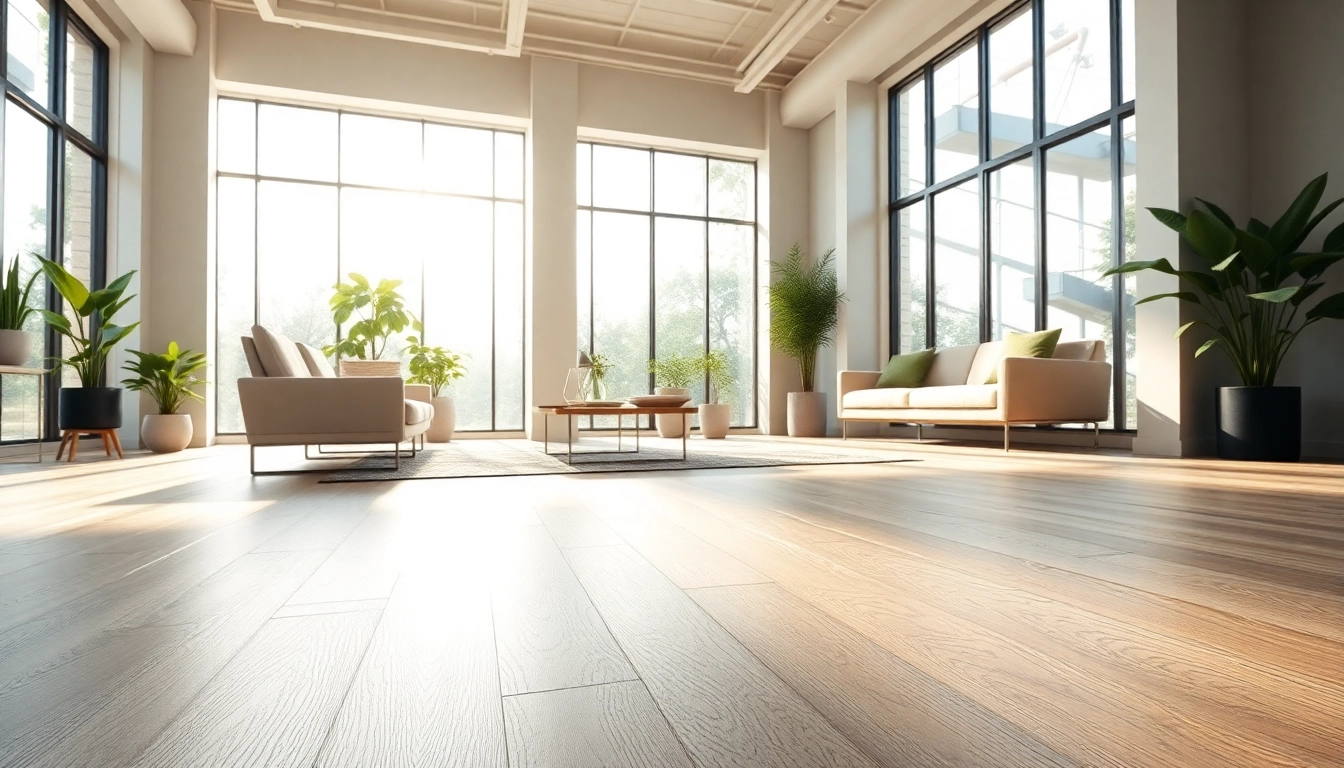
Understanding Vinyl Flooring
What is Vinyl Flooring?
Vinyl flooring is a synthetic flooring material composed of various layers, providing durability, comfort, and versatility in design. It is created from polyvinyl chloride (PVC), combined with other additives to enhance flexibility and resilience. Recognized for its waterproof properties and ease of maintenance, vinyl flooring has become a popular choice for residential and commercial spaces alike.
Types of Vinyl Flooring
Vinyl flooring comes in several varieties to suit different needs and tastes. The most common types include:
- Sheet Vinyl: This type is available in large, continuous sheets, ideal for covering wide areas seamlessly.
- Luxury Vinyl Plank (LVP): Mimicking the appearance of wood flooring, LVP is popular for its realistic textures and designs.
- Luxury Vinyl Tile (LVT): Designed to replicate tile and stone, LVT provides a more aesthetic appeal while maintaining durability.
- Vinyl Composite Tile (VCT): This type generally requires adhesive for installation and is commonly found in commercial settings.
Benefits of Vinyl Flooring
Choosing vinyl flooring offers numerous advantages:
- Water Resistance: Vinyl flooring is impervious to moisture, making it excellent for kitchens and bathrooms.
- Affordability: It is often less expensive than traditional flooring options, offering excellent value for budget-conscious consumers.
- Comfort: The material is softer underfoot compared to tile or hardwood, providing a more comfortable walking experience.
- Durability: Vinyl flooring can withstand heavy foot traffic and is resistant to scratches and stains.
- Variety of Designs: With a wide array of colors, patterns, and textures available, vinyl flooring can fit any design style.
Installation of Vinyl Flooring
Preparation Steps for Installation
Before installation begins, proper preparation of the subfloor is crucial. Follow these steps to ensure a smooth installation:
- Remove Existing Flooring: Clear the area of any old flooring materials, ensuring a clean subfloor.
- Inspect the Subfloor: Check for any damages or imperfections, repairing them as necessary to create a level surface.
- Clean the Area: Thoroughly clean the space to remove dust, dirt, and debris that could affect adhesion.
- Acclimate the Flooring: Allow the vinyl to acclimate to the room's temperature and humidity levels for at least 48 hours before installation.
Tools Required for Vinyl Flooring Installation
Gathering the right tools ensures a smoother installation process. Here’s a list of essential tools:
- Utility knife for cutting
- Measuring tape to ensure accurate dimensions
- Straight edge for clean cuts
- Subfloor adhesive (if required)
- Roller or tile roller for securing the flooring
- Vacuum cleaner or broom for cleaning
Step-by-Step Installation Guide
Follow this guide for a successful installation of vinyl flooring:
- Measure the Area: Calculate the total area to determine how much flooring material you will need.
- Cut the Vinyl: Using the utility knife, cut the vinyl sheets or planks to the appropriate size.
- Apply Adhesive: If installing sheet vinyl or VCT, evenly distribute adhesive on the subfloor.
- Lay Down the Vinyl: Begin laying the vinyl from one corner of the room, ensuring it fits snugly against the walls.
- Secure the Vinyl: Use a roller to press down and eliminate air bubbles, ensuring a secure bond to the subfloor.
- Finishing Touches: Allow the adhesive to dry as per the manufacturer's instructions before replacing baseboards or furniture.
Maintenance and Care for Vinyl Flooring
Daily Cleaning Tips
Maintaining vinyl flooring is straightforward. Here are some daily cleaning tips:
- Regular Sweeping: Use a soft broom or vacuum to remove dust and debris daily.
- Damp Mopping: Clean with a damp mop and a mild cleaner specifically formulated for vinyl.
- Wipe Up Spills Promptly: Address spills immediately to prevent staining or damage to the surface.
Deep Cleaning Techniques
For periodic maintenance and deep cleaning, consider the following techniques:
- Use a pH-balanced Cleaner: Avoid harsh chemicals; opt for products specifically designed for vinyl flooring.
- Steam Cleaning: Although safe for many vinyl types, always check manufacturer guidelines before using a steam cleaner.
- Spot Cleaning: For tougher stains, create a paste of baking soda and water, apply, and scrub gently.
Common Mistakes to Avoid
Avoid these common pitfalls to ensure the longevity of your vinyl flooring:
- Using Harsh Cleaners: Chemicals can damage the surface; stick to recommended cleaning solutions.
- Neglecting Regular Maintenance: Consistent cleaning prevents dirt build-up and maintains appearance.
- Ignoring Manufacturer Instructions: Always follow care and maintenance guidelines provided by your flooring manufacturer.
Design Ideas with Vinyl Flooring
Color Coordination and Styles
Vinyl flooring offers versatility in design, allowing you to coordinate colors and styles effectively. Here are some ideas:
- Neutral Tones: Pair beige or gray vinyl with vibrant furniture and decor to create a balanced look.
- Bold Colors: Choose deep colors like blue or red for a striking statement in modern spaces.
- Wood-Look Vinyl: Implement wood-look planks to bring warmth and richness to your interiors.
Combining with Other Materials
Creating dynamic spaces is easy with vinyl flooring when combined with other materials:
- Mix with Tile: Transitioning from vinyl to ceramic tiles in specific areas like kitchens can add visual interest.
- Pair with Area Rugs: Use area rugs to define spaces and add texture against the smooth surface of vinyl.
- Complement with Baseboards: Choose baseboards that complement the color of your vinyl flooring for a cohesive look.
Creating Visual Interest in Your Space
Here’s how to enhance the visual appeal of rooms using vinyl flooring:
- Diagonal Installation: Lay vinyl diagonally to create the illusion of a larger space.
- Use Different Patterns: Incorporate different designs or colors in distinct zones within open spaces.
- Accent Walls: Combine vinyl with wallpaper or paint to accentuate certain areas and create depth.
Cost Considerations for Vinyl Flooring
Factors Influencing Vinyl Flooring Prices
Several factors can influence the overall cost of vinyl flooring, including:
- Material Quality: Higher-quality vinyl tends to be more expensive but offers better durability and aesthetics.
- Installation Method: Professional installation usually adds to the cost; DIY can save money.
- Design Complexity: Intricate designs and custom patterns may increase price points.
Budgeting for Your Vinyl Flooring Project
To effectively budget for your flooring project, consider these steps:
- Get Multiple Quotes: Compare prices from various suppliers and installers for the best deal.
- Account for Hidden Costs: Include additional expenses such as underlayment, baseboards, and removal of old floors.
- Plan for Long-term Care: Budget for ongoing maintenance to protect your investment over time.
Long-term Value of Vinyl Flooring
Investing in vinyl flooring can lead to long-term benefits, including:
- Durability: With proper care, it can last over a decade, making it cost-effective in the long run.
- Energy Efficiency: Insulated vinyl flooring can help regulate room temperatures, contributing to lower energy bills.
- Increased Home Value: High-quality, visually appealing vinyl flooring can enhance the overall value of your home.
Frequently Asked Questions
1. How long does vinyl flooring last?
With proper care, vinyl flooring can last anywhere from 10 to 20 years, depending on the quality of the material and traffic levels.
2. Is vinyl flooring suitable for bathrooms?
Yes, vinyl flooring is highly water-resistant, making it an excellent choice for bathrooms where moisture is prevalent.
3. Can I install vinyl flooring over existing floors?
Yes, in many cases, you can install vinyl flooring over existing floors as long as they are clean, dry, and level.
4. Is vinyl flooring eco-friendly?
While vinyl flooring is made from synthetic materials, some products are designed to be more environmentally friendly and contain recycled materials.
5. Can I use steam mops on vinyl flooring?
You should avoid using steam mops unless the manufacturer specifies that it's safe, as excessive heat can damage some vinyl products.