Understanding Land Irrigation Basics
What is Land Irrigation?
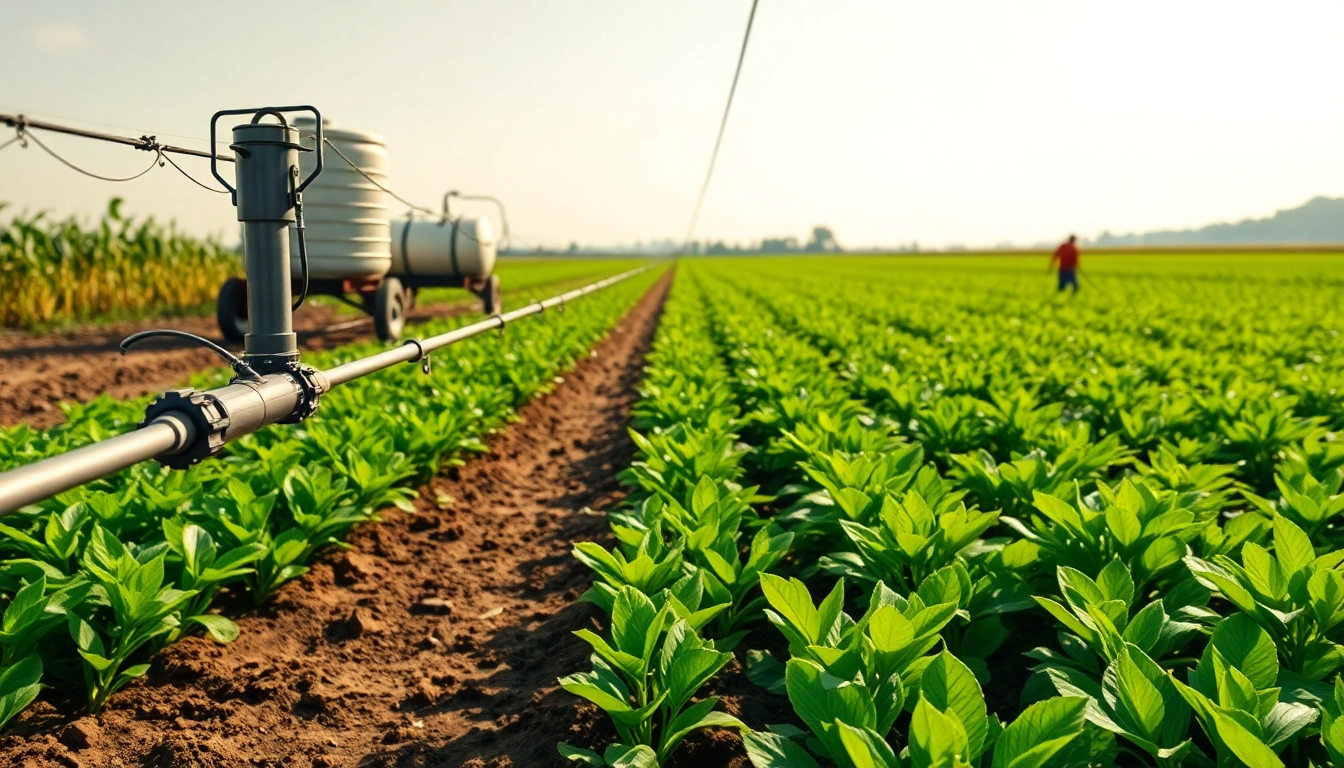
Land irrigation is the controlled application of water to cultivated land as a means of assisting in the growing of agricultural crops. It serves as a crucial method in regions where rainfall is insufficient to meet crop needs. The practice involves various systems and technologies designed to deliver water efficiently and effectively to maintain soil moisture levels, improve crop yield, and sustain agricultural practices. To grasp the significance of this technique, it is essential to understand its historical evolution and the modern advancements that shape it today.
Importance of Land Irrigation in Agriculture
Land irrigation is integral to agricultural success, especially in areas facing unreliable rainfall. It enhances crop productivity by providing a more dependable water supply, enabling farmers to cultivate crops year-round regardless of climate variations. With global populations surging, securing food production is paramount, making land irrigation a pivotal element in sustainable agriculture. It also helps in soil conservation, which is essential for future crop yields and land preservation.
Common Types of Land Irrigation Systems
There exists a variety of land irrigation systems, each with unique advantages depending on the crop type, geography, and economic factors. The most common types include:
- Surface Irrigation: Water flows over the soil surface, allowing gravity to distribute it across the field.
- Drip Irrigation: Water is delivered directly to the plant roots through a network of tubing and emitters, minimizing evaporation and runoff.
- Sprinkler Systems: Water is sprayed through the air, mimicking natural rainfall, which is especially useful for larger fields.
- Subsurface Irrigation: Moisture is supplied below the surface to reduce evaporation losses and improve efficiency.
Sustainable Land Irrigation Techniques
Drip vs. Traditional Irrigation Approaches
Drip irrigation has emerged as a more efficient alternative to traditional irrigation methods such as surface and sprinkler systems. While traditional approaches can lead to water wastage and uneven distribution, drip irrigation targets specific plants, ensuring optimal moisture levels and reducing water wastage significantly. This method is particularly beneficial in arid environments where every drop of water counts. Adopting drip irrigation can lead to increased crop yields and lower water bills, making it an advantageous choice in modern farming.
Soil Moisture Management for Land Irrigation
Effective soil moisture management is critical in optimizing land irrigation practices. Utilizing soil moisture sensors can provide real-time data on moisture levels, allowing farmers to apply water only when necessary. This data-driven approach not only conserves water but also promotes healthier crops by preventing under- or over-irrigation. Additionally, implementing mulching techniques can minimize evaporation, retain soil moisture, and enhance soil organic matter over time.
Benefits of Using Technology in Land Irrigation
The incorporation of technology in land irrigation practices offers numerous benefits. Automated irrigation systems, equipped with moisture sensors and weather forecasts, can irrigate fields at optimal times, thus maximizing efficiency. Additionally, using data analytics can help farmers make informed decisions about irrigation schedules and amounts. Emerging technologies such as satellite imagery and remote sensing are also revolutionizing how farmers monitor crop health and moisture levels, ultimately leading to more sustainable practices and enhanced productivity.
Challenges in Land Irrigation Practices
Water Scarcity and Efficiency Issues
Despite the advantages of land irrigation, water scarcity poses significant challenges. Over-extraction of groundwater for irrigation has led to acute shortages in many regions, impeding sustainable agricultural practices. Moreover, inefficient irrigation systems can exacerbate these problems by wasting precious resources. Farmers must transition to more sustainable practices, such as rainwater harvesting or the use of recycled water, to mitigate these challenges and secure their future water supply.
Soil Degradation Caused by Over-Irrigation
Over-irrigation can have detrimental effects on soil health, leading to issues such as salinization, nutrient depletion, and erosion. When water is applied in excess, it can bring soluble salts to the soil surface, adversely affecting crop growth. To combat these issues, practices such as crop rotation, soil amendments, and careful monitoring of irrigation practices are essential to maintain soil fertility and prevent degradation.
Climate Change Impacts on Land Irrigation
Climate change continues to reshape the dynamics of land irrigation, leading to erratic weather patterns and altering rainfall distributions. These changes necessitate adaptive strategies in irrigation practices, including adjusting crop selection based on new climate realities and employing water-saving technologies. Farmers must be proactive in adopting measures that enhance resilience to climate variability to safeguard their yields and maintain operational viability.
Optimizing Land Irrigation for Different Crops
Crop Selection and Irrigation Needs
Understanding the specific irrigation needs of different crops is crucial for effective land irrigation. Crops like rice and sugarcane have higher water requirements and may benefit from flood or surface irrigation, while crops such as tomatoes or cucumbers thrive under drip irrigation. Conducting a thorough analysis of crop moisture needs and growth stages can inform better irrigation practices that are tailored to individual crop species, enhancing overall productivity.
Seasonal Considerations for Land Irrigation
Seasonality plays a significant role in land irrigation strategies. Different seasons bring varying weather patterns, affecting water availability and crop needs. During hotter months, crops require more water, but excessive irrigation can lead to runoff and waste. To optimize performance, farmers should adjust their irrigation schedules and amounts based on the prevailing weather patterns, using historical data to inform daily decisions.
Using Data for Better Irrigation Decisions
Harnessing data analytics and modeling techniques can drastically improve irrigation management. By utilizing historical weather patterns, soil moisture levels, and crop growth data, farmers can develop precise irrigation plans that maximize water efficiency and crop yield. Data-based decisions enable farmers to monitor and adapt their practices continually, ensuring sustainability and profitability in their operations.
Measuring Success in Land Irrigation
Key Performance Metrics for Land Irrigation
Evaluating the effectiveness of irrigation practices is essential for continuous improvement. Key performance metrics include water use efficiency, crop yield per unit of water applied, and soil moisture levels. Monitoring these metrics can provide insights into the sustainability of irrigation practices and highlight areas for enhancement. Additionally, regular evaluation of irrigation systems can uncover inefficiencies and reduce waste, promoting overall success.
Case Studies of Successful Land Irrigation
Examining real-world case studies showcases successful land irrigation implementations. For instance, one region may illustrate the shift from traditional surface irrigation to drip systems, resulting in significant water savings and increased crop yields. Another case might highlight a comprehensive soil moisture management program leading to improved soil health and reduced irrigation costs. Learning from these examples can inform best practices and inspire farmers to adopt innovative approaches.
Future Trends in Land Irrigation Solutions
The future of land irrigation is anchored in innovation and sustainability. As technology advances, we can expect to see smart irrigation solutions that utilize artificial intelligence and machine learning to predict water needs more accurately. Furthermore, sustainable practices like rainwater harvesting and reclaimed water usage will gain traction, enabling farmers to optimize resources while ensuring environmental balance. Ultimately, the future will demand greater synergy between technology, ecological stewardship, and agricultural productivity.
FAQs
What is the best land irrigation method for my crops?
Choosing the best method depends on your crop type, local climate, and water availability. Drip irrigation is often effective for various crops.
How does land irrigation affect soil health?
Properly managed irrigation improves soil health by maintaining moisture levels, but over-irrigation can lead to erosion and nutrient leaching.
What technologies can enhance land irrigation?
Technologies like moisture sensors and automated irrigation systems help optimize water usage and improve crop yields effectively.
Is land irrigation necessary in all climates?
Not all climates require irrigation; however, in arid and semi-arid regions, it is crucial for sustaining agricultural productivity.
Can land irrigation practices conserve water?
Yes, efficient irrigation techniques, like drip systems, can significantly reduce water usage while maximizing crop growth.