Understanding Crawl Space Restoration
What is Crawl Space Restoration?
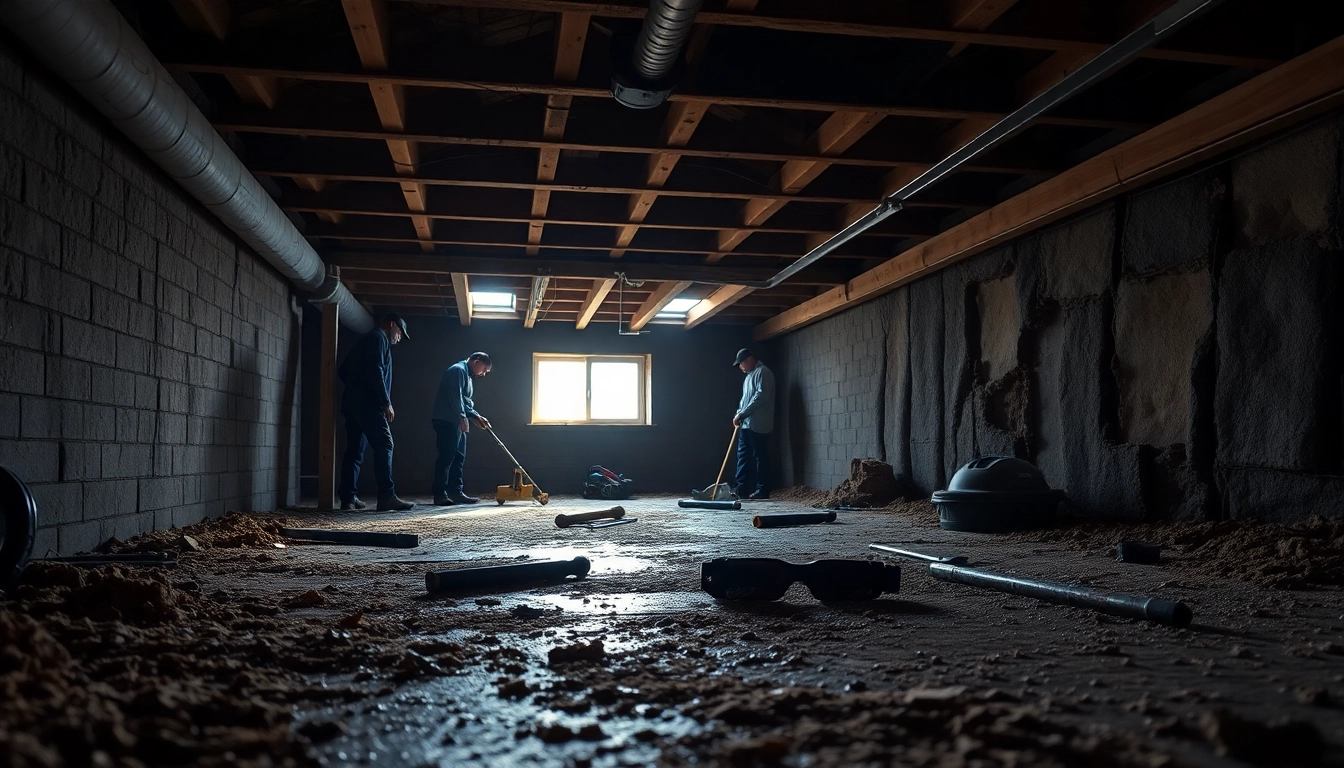
Crawl Space Restoration refers to the process of repairing and maintaining the often-neglected area beneath a home, known as the crawl space. This space is crucial for the overall health and stability of your property, providing essential support to the structure and housing vital systems, such as plumbing and electrical. Restoration activities typically include moisture management, structural repairs, and improved insulation and ventilation. A well-restored crawl space can help prevent long-term issues like mold growth, wood rot, and pest infestations. Investing in Crawl Space Restoration ensures a healthier living environment and contributes significantly to energy efficiency.
Common Problems That Require Restoration
Many homeowners may not realize the various issues that can arise within their crawl spaces. The most common problems that necessitate restoration include:
- Moisture Accumulation: Excess humidity can create the perfect breeding ground for mold and mildew, leading to health issues and structural damage.
- Pest Infestations: Insects and rodents often use crawl spaces as a breeding ground. These pests can compromise the integrity of home materials.
- Structural Damage: Wood rot, termite damage, and sagging beams are severe issues that require immediate attention.
- Insufficient Insulation: Poorly insulated crawl spaces can lead to increased heating and cooling expenses, impacting energy efficiency.
Benefits of Crawl Space Restoration
Performing crawl space restoration brings numerous benefits to homeowners, including:
- Enhanced Indoor Air Quality: Reducing humidity and mold presence improves the air you breathe, contributing to better health.
- Increased Energy Efficiency: Proper insulation and ventilation reduce energy costs and improve the overall comfort of your home.
- Protection Against Pests: Effective restoration techniques deter pests from invading your crawl space, safeguarding your property's structural integrity.
- Increased Property Value: A well-maintained crawl space enhances the aesthetic and functional appeal of your home, making it more attractive to potential buyers.
Assessing Your Crawl Space Condition
Signs You Need Crawl Space Restoration
Recognizing the signs that your crawl space requires restoration is crucial for maintaining the safety and stability of your home. Key indicators include:
- Visible signs of mold or mildew
- Rotten wood beams or joists
- Pest droppings or nests
- Excessive moisture or puddles
- Unpleasant odors emanating from your crawl space
Visual Inspection Techniques
Conducting a thorough visual inspection of your crawl space is essential for identifying potential issues. Here’s how to do it effectively:
- Use proper lighting, such as a flashlight, to illuminate dark corners.
- Check for signs of moisture, including damp spots or condensation on surfaces.
- Look for pests or damage - inspect for droppings and any gnaw marks on wood.
- Assess the insulation for any gaps or wear and tear.
When to Call a Professional
While some issues can be addressed through DIY efforts, certain situations necessitate professional intervention. Consider calling an expert if:
- You discover extensive mold growth.
- Structural damage is apparent, such as sagging beams.
- You encounter large infestations of pests.
- You feel uncertain about the best restoration methods.
Restoration Techniques and Processes
Moisture Control Strategies
Effective moisture control is paramount in crawl space restoration. Here are strategies you can implement:
- Install a Vapor Barrier: A high-quality vapor barrier prevents ground moisture from seeping into the crawl space.
- Utilize Dehumidifiers: A dehumidifier reduces humidity levels, further preventing mold growth.
- Improve Drainage: Ensure gutters and downspouts direct water away from your foundation to minimize moisture.
Insulation and Ventilation Improvements
Proper insulation and ventilation significantly aid in maintaining a healthy crawl space environment. Consider the following actions:
- Insulate Crawl Space Walls: Using foam boards or fiberglass can help preserve thermal efficiency.
- Ventilate Properly: Installing vents or using mechanical ventilation systems can enhance airflow and reduce humidity.
- Seal Openings: Block off any gaps where air and moisture can enter.
Long-term Solutions for Crawl Space Issues
Long-lasting solutions often require a multi-faceted approach, which includes:
- Regular Maintenance: Schedule annual inspections to catch issues early.
- Implementing Energy-Efficient Solutions: Combine restoration with energy-efficient upgrades, like sealing ducts.
- Educating Yourself: Stay informed about best practices and potential risks related to crawl space maintenance.
Maintenance Tips for Healthy Crawl Spaces
Routine Inspection Practices
Regular inspections are vital for the ongoing health of your crawl space. Adopt the following practices:
- Inspect your crawl space at least twice a year.
- Look for signs of moisture, pest activity, or deterioration.
- Document findings and any actions taken for reference.
Seasonal Maintenance Checklist
A seasonal maintenance checklist can help keep your crawl space in optimal condition:
- Spring: Clear debris from drainage areas and check vents for obstructions.
- Summer: Inspect for pests and consider using traps or barriers.
- Fall: Examine insulation and replace damaged sections as needed.
- Winter: Ensure the area remains insulated to prevent freezing pipes.
Common DIY Repairs
There are several common repairs homeowners can perform themselves to maintain crawl space health:
- Replacing damaged insulation.
- Using sealing tape on minor cracks.
- Installing a basic vapor barrier.
Frequently Asked Questions about Crawl Space Restoration
What is the cost of crawl space restoration?
The cost of crawl space restoration can vary greatly based on the extent of damage, materials required, and location. A thorough inspection is needed for a precise estimate.
How long does the restoration process take?
The duration of crawl space restoration depends on the complexity of the issues found. Minor repairs may take a few hours, while extensive work can take several days.
Can I do crawl space restoration myself?
While some aspects of crawl space restoration can be DIY, extensive mold or structural issues should be handled by professionals to ensure safety and compliance.
What are the signs of mold in crawl spaces?
Signs of mold include a musty odor, discoloration on surfaces, and visible growth on materials like wood and insulation. Prompt treatment is essential.
How often should I inspect my crawl space?
It is advisable to inspect your crawl space at least twice a year, especially after heavy rain or snow, to catch any developing issues early on.