

Understanding Bed Bugs: Characteristics and Behavior
What Are Bed Bugs?
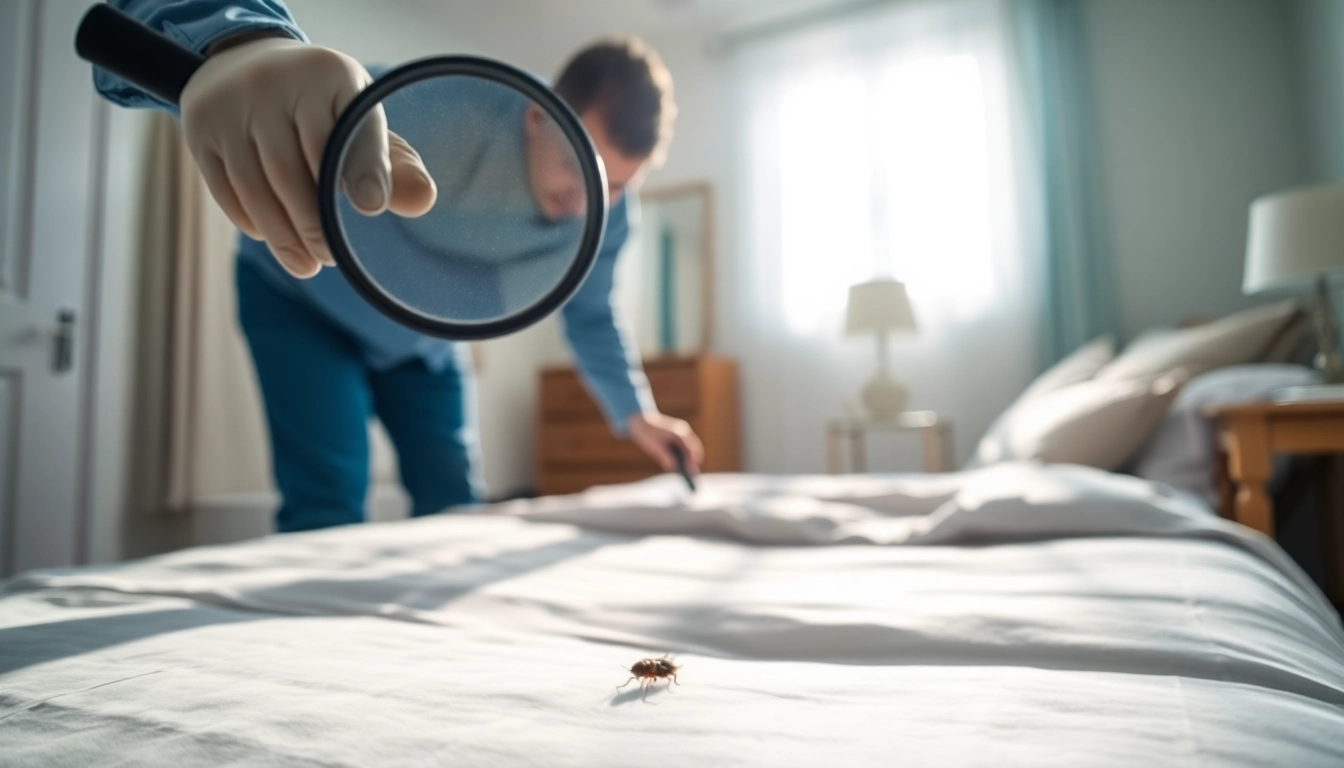
Bed bugs are small, parasitic insects that feed on human blood. They belong to the Cimicidae family and have flat, oval bodies that measure about 1-7 mm in size. Their reddish-brown color tends to darken post-feeding, making them easily identifiable against light bedding. Bed bugs are nocturnal creatures, preferring to hide during the day in crevices of mattresses, bed frames, and furniture. Understanding their behavior is vital in executing effective extermination strategies.
Life Cycle of a Bed Bug
The life cycle of a bed bug consists of five nymphal stages, plus the adult stage, which undergo a process called molting. A female bed bug can lay up to 500 eggs in her lifetime, with each egg taking about 6 to 10 days to hatch. Once hatched, nymphs start feeding within a few hours. Under optimal conditions, bed bugs can multiply rapidly, making early detection paramount in controlling an infestation.
Signs of Infestation
Identifying a bed bug infestation early can save homeowners considerable time and expense. Tell-tale signs include:
- Visible Bugs: Adult bed bugs can be spotted with the naked eye, lurking in seams of mattresses or behind headboards.
- Bites: Raised, red welts on the skin may indicate recent feeding.
- Spotting: Dark, rusty stains on sheets or mattresses from their excrement.
- Eggs: Tiny, white eggs often found in clusters.
Evaluating Professional Bed Bug Exterminator Options
Types of Treatments Offered by Exterminators
Bed bug extermination options vary widely among professionals. Common approaches include:
- Heat Treatment: This method involves raising the temperature of the affected area to levels that are lethal to bed bugs.
- Chemical Treatments: Exterminators utilize insecticides specifically designed to eradicate bed bugs at all life stages.
- Fumigation: This involves enclosing the infested area and introducing a gas that penetrates all surfaces.
- Integrated Pest Management (IPM): A holistic approach combining multiple strategies for long-term control.
How to Choose a Bed Bug Exterminator
Selecting an effective bed bug exterminator can be daunting. Here are key factors to consider:
- Experience: Opt for companies with a proven track record in bed bug extermination.
- Certifications: Verify that the exterminator is certified and trained in pest control.
- Reviews and Recommendations: Look for testimonials or reviews from previous clients to gauge effectiveness and customer service.
- Written Estimates: A reputable exterminator will provide a written assessment, outlining the treatment process and costs involved.
Cost of Bed Bug Extermination Services
The cost for hiring a bed bug exterminator varies depending on several factors, including the extent of the infestation, the type of treatment chosen, and the size of the affected area. Typically, costs range from:
- Initial Inspection: $100 – $300
- Heat Treatments: $800 – $2,500, depending on the area treated
- Chemical Treatments: $300 – $1,500 per treatment
- Follow-Up Visits: Often included in the initial cost, essential for monitoring treatment effectiveness.
DIY Strategies for Bed Bug Control
Initial Steps Before Hiring an Exterminator
Before seeking professional assistance, homeowners can take proactive steps to mitigate a bed bug infestation. This may include:
- Decluttering: Remove unnecessary items to reduce hiding spaces for bed bugs.
- Washing Linens: Wash all bedding, linens, and clothing in hot water to kill bed bugs and their eggs.
- Vacuuming: Regularly vacuum areas where bed bugs are likely to hide, ensuring to dispose of the vacuum bag immediately.
Home Remedies: Effectiveness and Limitations
While various home remedies exist, their effectiveness is often debated among experts. Common DIY solutions include:
- Essential Oils: Some report success using oils like tea tree or lavender; however, they may not provide complete eradication.
- Diatomaceous Earth: A natural desiccant, it can kill bed bugs but takes time and requires thorough application.
- Steam Treatments: High-temperature steam can kill bed bugs immediately but requires proper technique.
Preparation Tips for DIY Treatment
For those opting for DIY methods, preparation is crucial for success:
- Isolation: Remove affected items from the rest of the home to prevent spread.
- Proper Tools: Utilize the right equipment, such as steamers, vacuum cleaners with HEPA filters, and appropriate pesticides.
- Patience: Understand that DIY methods may take time, and multiple applications may be necessary.
Post-Extermination Practices for Prevention
Creating a Bed Bug-Free Environment
After extermination, maintaining a bed bug-free environment is crucial:
- Regular Inspections: Periodically check for signs of bed bugs, particularly in bedding and furniture.
- Sealing Cracks: Fill in any gaps or cracks in walls or furniture where bed bugs could hide.
- Use Protective Covers: Employ bed bug-proof encasements on mattresses and pillows.
Regular Maintenance Checks
Establish a routine for examining your home for pests:
- Monthly Spot Checks: Look for signs in critical areas, including around beds and furniture.
- Vacuum Weekly: Regular vacuuming can eliminate stray bugs and eggs.
- Monitor Travel: Be vigilant about inspecting luggage and belongings upon returning from trips.
Educating Household Members
Awareness and education are the first lines of defense against bed bugs:
- Informing Everyone: Teach every person in your household how to identify bed bugs and their bites.
- Reporting Findings: Encourage prompt reporting of any sightings of bed bugs to avoid a wider infestation.
Frequently Asked Questions About Bed Bug Extermination
How do I permanently get rid of bed bugs in my house?
Create a multi-faceted plan involving thorough cleaning, earlier infestation detection, and using professional extermination services as necessary. Consistency in maintenance is key.
What should I expect during the extermination process?
The treatment may take several hours. Expect professionals to inspect, treat, and guide you through post-treatment preparations to maximize effectiveness.
Are there any health risks involved with bed bugs?
While bed bugs are not known to spread diseases, their bites can lead to allergic reactions or secondary infections due to scratching.
Can I treat bed bugs on my own?
You can employ DIY methods, but these may not be as effective as professional treatments, especially for severe infestations.
How long does the extermination process take?
The time varies based on the infestation level and treatment method but generally ranges between a few hours to several days for full follow-up protocols.