Understanding Laser Engraving Designs
What are Laser Engraving Designs?
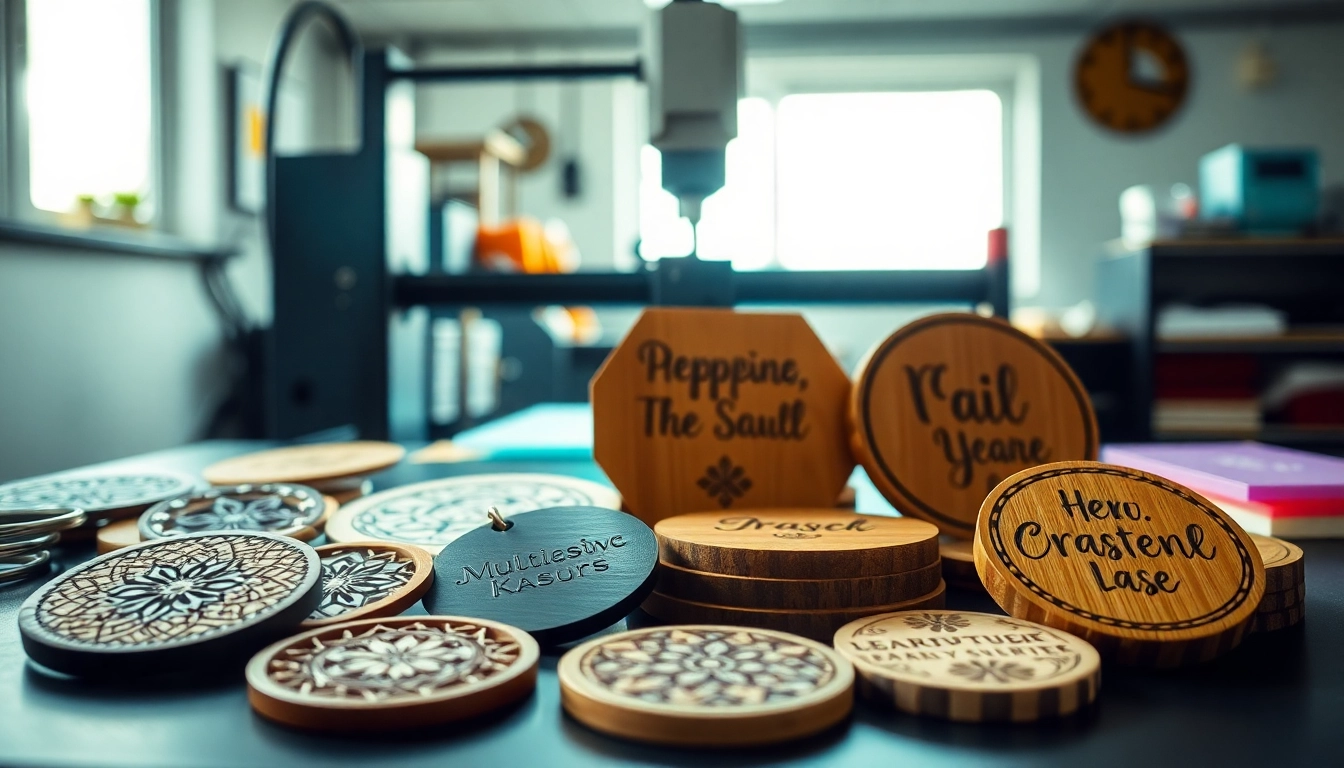
Laser engraving designs refer to the intricate patterns and images created using laser technology to etch or engrave a variety of materials such as wood, plastic, glass, and metal. This precise method allows for high levels of detail, making it suitable for customized projects ranging from personal gifts to professional branding. In essence, laser engraving transforms digital art into tangible objects, offering a unique approach to creativity. These designs can be found in various formats, and many individuals or businesses utilize them for both personal and commercial applications. There are numerous platforms available to download, share, and create laser engraving designs, expanding the creative possibilities.
Applications of Laser Engraving Designs
Laser engraving designs have numerous applications across different sectors, showcasing their versatility. Here are some key uses:
- Personal Gifts: Custom engraving on items like jewelry, photo frames, or keepsakes makes for heartfelt gifts.
- Business Branding: Companies often engrave their logos on promotional items, awards, or business cards to enhance brand visibility.
- Decorative Art: Artists use laser engraving to create unique artworks that are both visually appealing and intricate.
- Functional Items: Engraving designs on utensils, tools, or homeware can provide both aesthetic appeal and practicality.
- Industrial Applications: In industries like manufacturing, laser engraving can be used for labeling parts or engraving data such as serial numbers.
The Technology Behind Laser Engraving
The technology used in laser engraving involves high-powered lasers focused on the surface of the material. The laser's heat reacts with the material, either burning it away or creating an indentation. This process requires precise control over several variables, including:
- Laser Power: Higher power levels produce deeper engravings, while lower levels can create subtle effects.
- Speed: The speed at which the laser moves affects the depth and clarity of the engraving.
- Focus: The focal length of the laser influences the precision and detail that can be achieved.
- Material Type: Different materials interact differently with the laser, requiring unique settings for optimal results.
This technology allows for a range of engraving styles, from shallow surface etching to deeper cuts, enhancing the aesthetic quality of the final product.
Choosing the Right Materials for Laser Engraving Designs
Common Materials Used in Laser Engraving
When creating laser engraving designs, selecting the right material is crucial for achieving the desired effect and durability. Here are some of the most popular materials:
- Wood: Offers a natural finish and is easy to engrave but can vary in hardness.
- Acrylic: Provides a polished look, available in various colors and thicknesses.
- Leather: Suitable for personal items and crafts, allowing fine detail or branding.
- Glass: Ideal for decorative items, producing a frosted look when engraved.
- Metal: Including aluminum and stainless steel, suitable for long-lasting projects.
Comparative Analysis of Material Durability
Material durability significantly affects the longevity of laser engraved items. Here’s a comparative look at these materials:
MaterialDurabilityBest Use CasesWoodModeratePersonal items, furnitureAcrylicHighDecorative items, awardsLeatherModerateBags, wallets, apparelGlassHighDecoration, awardsMetalVery HighIndustrial parts, tools
Special Techniques for Different Materials
Different materials require unique engraving techniques to achieve optimal results. Here are tips for some specialized techniques:
- For Wood: Utilize masking tape to minimize charring and achieve cleaner edges.
- For Acrylic: Use lower speeds to avoid melting, ensuring smooth edges and a quality finish.
- For Leather: Adjust power settings to avoid burning through; experiment to find the right balance.
- For Glass: Engrave at a lower speed with multiple passes for depth without cracking.
- For Metal: Use higher power settings with specialized coatings for a polished outcome.
Designing Your Own Laser Engraving Designs
Software Tools for Design Creation
The design process for laser engraving can be simplified with the right software tools. Here are some popular options:
- Adobe Illustrator: Excellent for vector graphics, ideal for creating detailed designs.
- CorelDRAW: User-friendly, specifically tailored for laser engraving projects.
- Inkscape: A free, open-source vector graphics editor that supports various file formats.
- LightBurn: Designed specifically for laser cutting and engraving, offering intuitive features.
Best Practices for Creating Engaging Designs
Creating laser engraving designs that stand out requires careful consideration and following best practices. Here are some key tips:
- Simplicity: Opt for clean designs to ensure clarity in engraving.
- Contrast: Utilize contrasting colors or textures for added visual interest.
- Scale: Test your designs on similar materials to gauge the size and impact.
- Feedback: Get feedback from peers to refine your designs.
- File Formats: Save designs in formats that your laser cutter software supports (like SVG or DXF).
Iterating and Improving Your Designs
The design process is rarely perfect on the first attempt. Iteration is essential. Here’s how to improve your designs:
- Gather Samples: Engrave samples and analyze them to understand what works best.
- Document Changes: Keep track of adjustments and the outcomes to learn from previous choices.
- Test Different Materials: Experiment with various substrates to see how different designs translate.
- Utilize Design Feedback: Actively seek feedback and adapt your designs based on user experiences.
- Stay Current: Regularly review design trends in laser engraving to inspire fresh ideas.
Finding Inspiration for Laser Engraving Designs
Online Resources for Design Ideas
Finding inspiration is vital for any design project. Here are some great online resources for laser engraving designs:
- Design Bundles: Offers a collection of free and paid designs specifically for laser engraving.
- Pinterest: A visual discovery engine where users can find and save vast amounts of engraving ideas.
- DeviantArt: Home to numerous artists and designers sharing their creative works.
- Freepik: A platform offering a wide variety of free vectors and templates suitable for laser engraving.
- XTool Gallery: Exhibits creative projects made using their laser cutters, providing practical insights.
Community Forums and Social Media Ideas
Engaging with the laser engraving community can be an incredible source of inspiration. Here’s how:
- Forums: Participate in forums (like Reddit) to discuss design ideas and share experiences.
- Social Media Groups: Join Facebook groups or follow Instagram accounts related to laser engraving.
- Webinars and Workshops: Attend online sessions to learn and draw inspiration from experienced engravers.
- Engagement: Engaging with artists directly can spark collaborative projects and fresh ideas.
Participating in Laser Engraving Competitions
Competitions can be a fantastic way to challenge yourself and gain exposure for your designs. Here are some benefits:
- Feedback: Gain constructive feedback from judges and peers, enhancing your skills.
- Networking: Meet other engravers, fostering connections and collaborations.
- Showcase Your Work: Stand out and promote your designs in front of a broader audience.
- Prizes: Win materials or even cash rewards that can further your engraving journey.
- Motivation: Competitions can drive you to push creative boundaries and try new techniques.
Maintaining and Showcasing Laser Engraving Designs
Caring for Engraved Products
Proper care of engraved items can significantly extend their lifespan. Consider the following tips:
- Clean Regularly: Use a soft, damp cloth to wipe away dust and dirt.
- Avoid Harsh Chemicals: Avoid abrasive cleaners that may damage the engraving.
- Store Properly: Keep engraved items in a cool, dry place to prevent degradation.
- Handle with Care: Be gentle with items to avoid scratches and damage to the engraving.
- Periodic Reconditioning: Depending on the material, consider periodic maintenance treatments.
Effective Display Techniques
Showcasing your engraved designs can enhance their visual appeal. Effective display techniques include:
- Backlighting: Use LED strips behind or beneath your engravings for an impressive glow.
- Framing: Frame wood or acrylic engravings to create an artistic focal point.
- Shadow Boxes: Create depth by using shadow boxes to highlight engravings alongside related items.
- Interactive Displays: Consider incorporating QR codes that lead to the design creation story.
- Shelves and Stands: Use custom shelving solutions to create a professional showroom effect.
Marketing Your Laser Engraving Creations
To successfully market your engraved designs, consider these strategies:
- Online Storefront: Create a well-designed online shop with a focus on high-quality images.
- Social Media Marketing: Leverage platforms like Instagram and Facebook to showcase your designs.
- Email Marketing: Use email newsletters to share new designs and special promotions.
- Trade Shows: Participate in local or national craft fairs to directly engage with customers.
- Collaborations: Team up with other artists or businesses for cross-promotion opportunities.
FAQs about Laser Engraving Designs
What is laser engraving?
Laser engraving is a technology that uses lasers to engrave designs onto materials, providing precision and durability.
Can I create my own designs for laser engraving?
Yes, you can create custom designs using graphic design software tailored for vector art suitable for laser engraving.
What materials can be engraved with a laser?
Common materials include wood, acrylic, leather, glass, and metals, each requiring specific settings for optimal results.
How can I find inspiration for laser engraving designs?
Online resources, community forums, and social media platforms like Pinterest offer a wealth of ideas and inspiration for designs.
What are the best practices for maintaining engraved items?
Regular cleaning, using non-abrasive products, and proper storage are key to maintaining the longevity of engraved items.