Understanding the Smog Check: What You Need to Know
A Smog Check is a vital part of vehicle maintenance aimed at ensuring that automobiles function within the environmental standards set by state and federal regulations. This inspection involves assessing the emissions from vehicles, particularly to check the levels of pollutants released into the air. As urban centers continue to grapple with the growing problem of air pollution, understanding the significance of smog checks becomes even more crucial.
What is a Smog Check?
A smog check, often referred to as an emissions inspection, is a standardized test that measures the levels of harmful emissions produced by a vehicle. This process involves using specialized equipment to analyze exhaust gases, examining various parameters such as carbon monoxide, nitrogen oxides, and hydrocarbons. Depending on the location and regulations, smog checks can vary in complexity, from basic exhaust testing to comprehensive evaluations of vehicle emission systems.
Why are Smog Checks Important?
Smog checks serve multiple essential purposes. Primarily, they are designed to protect air quality by identifying vehicles that emit excessive pollutants. This effort is fundamental in combating issues like smog, which poses health risks to the public, including respiratory problems and other health complications. Furthermore, by ensuring that vehicles meet emission standards, smog checks contribute to the overall reduction of greenhouse gases, thus playing a role in fighting climate change.
How Often Should You Get a Smog Check?
The frequency of required smog checks typically varies by state and individual vehicle age. Many states mandate these checks every two years, particularly for older vehicles or those that do not comply with the latest environmental standards. Newer cars, usually those less than six years old, may be exempt from regular checks. Evaluating your local regulations can help determine the right schedule for your vehicle.
The Smog Check Process Explained
Preparing Your Vehicle for a Smog Check
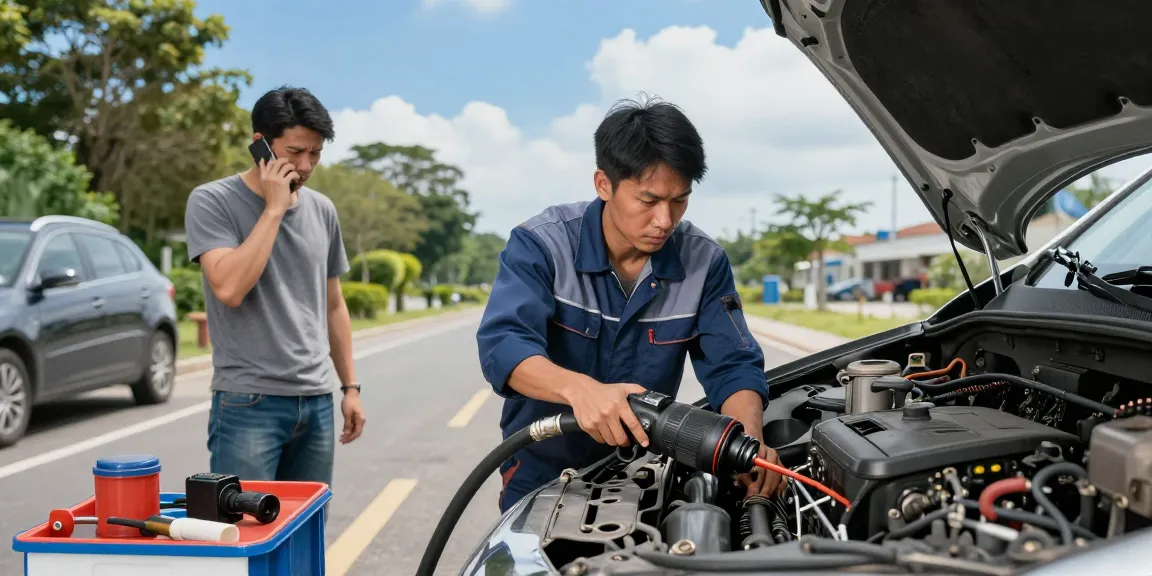
Before undergoing a smog check, it's crucial to prepare your vehicle effectively. Start by reviewing the following actions:
- Ensure your vehicle is in good running condition. Check fluid levels and the engine's performance.
- Inspect the check engine light. If it’s on, addressing this issue before the inspection is essential, as it can indicate serious problems.
- Consider getting a pre-inspection. Some workshops offer this service to identify potential issues before the official test.
The Inspection Process: Step-by-Step
The smog check process usually unfolds in several stages:
- Arrival: Bring your vehicle to a licensed inspection station. It’s important to have the required documents, including registration and proof of insurance.
- Visual Inspection: A quick visual check of the exhaust system and under the hood for any obvious issues.
- Emissions Testing: Depending on local regulations, various tests may be performed, such as the dynamometer test or the tailpipe emissions test.
- Results: At the conclusion of testing, you will receive a pass or fail result, along with a detailed report outlining any issues found.
What Happens if Your Vehicle Fails?
If your vehicle does not pass the smog check, it’s essential to act promptly. Typically, you will receive a notification specifying the issues and may be required to take corrective actions to meet emission standards. After repairs have been made, it's common to retest within a specific timeframe, often without incurring additional fees. Be proactive in addressing these concerns to avoid penalties and ensure compliance.
Smog Check Requirements by State
Overview of State Regulations
Each state in the U.S. has its own regulations regarding smog checks, primarily influenced by local air quality concerns. For instance, states with more significant pollution challenges, such as California, enforce stringent smog testing requirements. In contrast, others, particularly those with lower population densities, might have more lenient regulations.
Cost of Smog Checks Nationwide
The cost associated with smog checks varies inherently by location and type of vehicle. On average, fees can range from $15 to over $50. Areas experiencing high demand or tougher emission standards may see higher costs. It's wise to conduct research regarding local pricing before scheduling an inspection.
Differences Between States: A Comparative Study
To understand how smog checks differ between states, consider key factors such as testing frequency, types of vehicles subjected to checks, and exemptions available for new cars or electric vehicles. For example, some states offer programs for low-income families that can help with fees or repairs, while others may not have this kind of support in place.
Environmental Impact of Smog Checks
How Smog Checks Improve Air Quality
One of the most significant benefits of regular smog checks is their role in improving urban air quality. By ensuring that vehicles meet emission standards, these inspections help to mitigate pollutants that contribute to smog and other air quality issues. Less pollution leads to healthier communities and minimizes environmental degradation.
The Role of Smog Checks in Pollutant Control
Smog checks are integral to broader efforts aimed at controlling harmful emissions from vehicles. These inspections act as a reliable method to track vehicle performance factors over time, allowing regulatory agencies to enforce necessary measures and adapt strategies when pollution levels rise.
Community Benefits of Regular Smog Checks
Beyond the environmental benefits, smog checks promote community welfare. Enhanced air quality directly influences public health, reducing healthcare costs attributed to pollution-related illnesses. Moreover, a community committed to regular inspections often fosters a culture of environmental responsibility, promoting sustainable practices and awareness among residents.
Future of Smog Checks and Emission Testing
Technological Advancements in Smog Checks
The future of smog checks may lie in emerging technologies. Innovations like remote emissions monitoring and smartphone applications that track vehicle performance are gaining traction. These technologies provide an on-the-go assessment for vehicle owners, potentially reducing the need for traditional inspection visits.
Emerging Trends in Emission Regulations
As global awareness of climate change grows, emission regulations are becoming stricter. Expect more states to implement comprehensive measures that not only enforce emission standards through smog checks but also incentivize the use of electric or low-emission vehicles.
How to Stay Informed on Smog Check Changes
To keep abreast of changes in smog check regulations, vehicle owners should regularly consult local Department of Motor Vehicles resources and environmental agencies. Following industry news and joining community forums can also provide valuable insights about upcoming changes or trends in vehicle emissions testing.
Frequently Asked Questions
1. What does a Smog Check include?
A smog check usually includes a visual inspection, emissions testing through exhaust analysis, and evaluation of the vehicle's emission control system to ensure compliance with local regulations.
2. How long does a Smog Check take?
Typically, a smog check can be completed in 20 to 30 minutes, depending on the inspection's thoroughness and any potential wait times at the inspection station.
3. Can I pass a Smog Check with a check engine light on?
Generally, if the check engine light is illuminated, the vehicle will fail the smog check. It's advisable to address the underlying issue before the inspection.
4. What vehicles are exempt from Smog Checks?
Many states exempt new vehicles (under six years old), electric vehicles, and certain classic or antique cars from smog checks, but this can vary by location.
5. How can I prepare for a Smog Check?
Ensure your vehicle is well-maintained, check fluids, inspect the exhaust system, and address any warning lights before scheduling a smog check to increase your chances of passing.