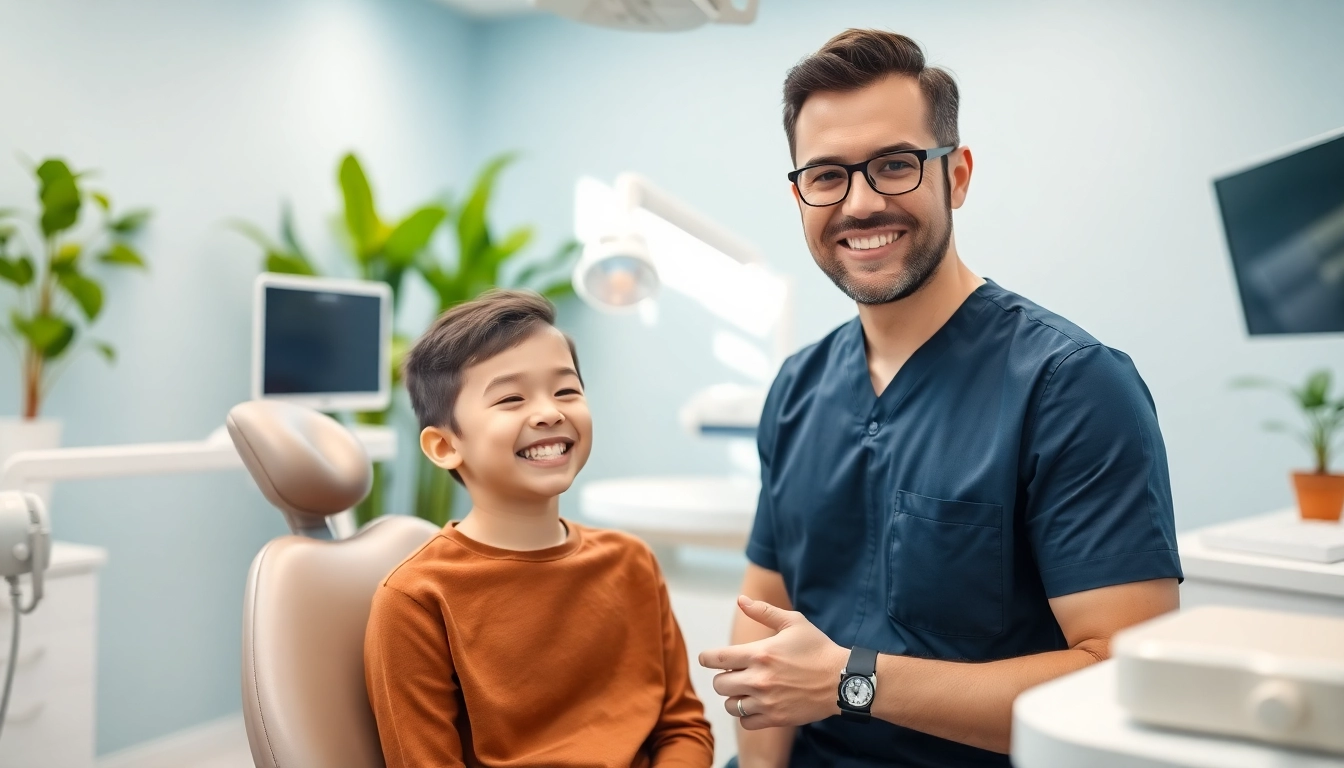
Understanding Orthodontics: A Fundamental Overview
Orthodontics is a specialized branch of dentistry that focuses on diagnosing, preventing, and treating facial and dental irregularities. It primarily aims to enhance the alignment of teeth and jaws, which significantly impacts a person’s overall oral health and aesthetic appearance. In today's world, where first impressions carry weight, understanding orthodontics is crucial for maintaining a beautiful smile. Through this comprehensive guide, we will explore every facet of orthodontics, including its importance for facial development, various treatment options available, benefits beyond aesthetics, and much more.
What is Orthodontics?
Orthodontics encompasses the study and treatment of malocclusions, commonly referred to as improper bites. This can involve teeth that are crowded, spaced too far apart, or misaligned. Orthodontic specialists employ various techniques and devices to adjust the position of teeth and jaws over time. The treatment may involve braces, retainers, or surgical interventions, depending on the severity of the condition.
The Importance of Orthodontics for Facial Development
Orthodontics plays a critical role in facial development. Proper alignment of teeth and jaws not only leads to aesthetic appeal but also ensures efficient function. An aligned bite allows for proper chewing and speech development, while also playing a role in the prevention of tooth wear, joint pain, and other complications associated with dental misalignment. Children benefit significantly from early orthodontic evaluations, as timely interventions can guide jaw growth and prevent more severe issues later on.
Common Orthodontic Terms Explained
Understanding common orthodontic terminology is essential for patients to effectively communicate with their orthodontist. Some key terms include:
- Malocclusion: A misalignment between the upper and lower teeth.
- Braces: A set of devices designed to straighten teeth.
- Retainer: An appliance used after braces to maintain teeth positions.
- Archwire: The wire that connects the brackets and helps move teeth.
- Placement: The method of affixing braces or aligners onto the teeth.
Types of Orthodontic Treatments Available
Traditional Metal Braces: An Overview
Traditional metal braces are the most recognizable form of orthodontic treatment. Consisting of brackets attached to the teeth and connected by wires, metal braces apply gentle pressure to gradually realign teeth. They are effective for correcting a wide range of alignment issues, including complex cases. Although they are highly effective, aesthetics may be a concern for some individuals.
Ceramic and Lingual Braces: Aesthetic Solutions
Ceramic braces offer a more discreet alternative to metal braces, as they use tooth-colored brackets that blend in with the natural color of teeth. Lingual braces, on the other hand, are placed behind the teeth, rendering them virtually invisible. Both options provide an aesthetic solution while delivering the same functional benefits as traditional braces.
Invisalign: Clear Aligners for Modern Orthodontics
Invisalign has revolutionized orthodontic treatment with its clear aligners that are nearly invisible to outsiders. Custom-made for each patient, these aligners gradually shift teeth into proper positions without the bulk of traditional braces. This treatment has gained popularity among adults and self-conscious teens, allowing for flexibility in lifestyle while effectively addressing misaligned teeth. Regular check-ups are still necessary to ensure proper progress during the treatment.
Benefits of Orthodontics Beyond Aesthetics
Improving Oral Health with Orthodontics
One of the significant advantages of orthodontic treatment is its positive impact on oral health. Properly aligned teeth are easier to clean, thereby reducing the risk of cavities and gum disease. With improved jaw alignment, patients often experience less strain on the jawbone, which can help prevent temporomandibular joint (TMJ) disorders. The long-term investment in orthodontics pays off through healthier teeth and gums.
Orthodontics and Confidence Boost
Orthodontic treatment often results in enhanced self-esteem. Individuals with a straight smile typically experience a boost in confidence, improving their interactions in social, professional, and academic settings. The psychological benefits of achieving a healthy, attractive smile cannot be overstated, as many patients report feeling more comfortable and outgoing following treatment.
Long-Term Cost Savings of Early Orthodontic Intervention
Investing in orthodontics at an early stage can lead to substantial cost savings down the line. Early intervention often mitigates severe misalignments, which may require more extensive treatment later. By addressing issues before they can escalate, patients can avoid expensive corrective procedures, making orthodontics not only a physical investment in health but also a financial one.
Choosing the Right Orthodontist for Your Needs
Qualifications and Experience to Look For
When selecting an orthodontist, it is essential to consider their qualifications, including completing a dental degree and specialized training in orthodontics. Look for board certification, patient reviews, and examples of their previous work. An orthodontist's experience significantly impacts treatment outcomes, so it’s worth investing time to find a qualified professional that meets your needs.
Consultation: What to Expect
Initial consultations typically involve a comprehensive dental examination, including X-rays and imaging assessments to evaluate tooth alignment and jaw structure. Your orthodontist will discuss treatment options tailored to your specific situation, including timelines and costs, providing you with a clear understanding of what to expect moving forward. It’s also a great opportunity to ask questions and express any concerns.
Personalized Orthodontic Treatment Plans
No two smiles are alike, and a personalized treatment plan ensures the best outcomes. Orthodontists use diagnostic tools to develop a strategy that adapts throughout treatment as needed. Patients should be active participants in their care plan, allowing for adjustments to be made based on their progress and lifestyle changes.
Emerging Trends and Innovations in Orthodontics
3D Imaging and Custom Treatment Planning
Advancements in technology, including 3D imaging, have greatly improved the precision of orthodontic treatments. This technology allows orthodontists to create digital models of patients' teeth and jaws, which makes it easier to design personalized treatment plans. Improved accuracy not only enhances patient outcomes but can also reduce treatment times.
Technological Advances in Braces
The evolution of braces has introduced lighter materials, faster adjustment mechanisms, and improved comfort features. Innovations such as self-ligating braces reduce friction and allow teeth to move more efficiently. These advancements contribute to shorter treatment durations and a more comfortable orthodontic experience.
Future Predictions for Orthodontic Practices
The future of orthodontics points towards increasingly individualized treatments with enhanced technological integration. The growing use of artificial intelligence and machine learning in treatment planning will likely lead to greater predictions of patient needs and more effective outcomes. As technology evolves, patients can expect less invasive options and treatments that are seamlessly integrated into their lifestyle.
FAQs About Orthodontics
What age should children start orthodontic evaluations?
Children should have their first orthodontic evaluation by age 7, allowing for early detection of potential issues.
How long does orthodontic treatment typically take?
Treatment duration varies by case but generally ranges from 12 to 36 months, depending on individual needs.
Are braces painful?
Some discomfort can occur after braces are applied or adjusted, but it usually diminishes within a few days.
Can adults receive orthodontic treatments?
Absolutely! Many adults successfully undergo orthodontic treatments to improve teeth alignment and aesthetics.
How often should I visit the orthodontist during treatment?
Most patients typically visit the orthodontist every 4 to 8 weeks to monitor progress and make necessary adjustments.