The Importance of Motorcycle Windshield for Riders
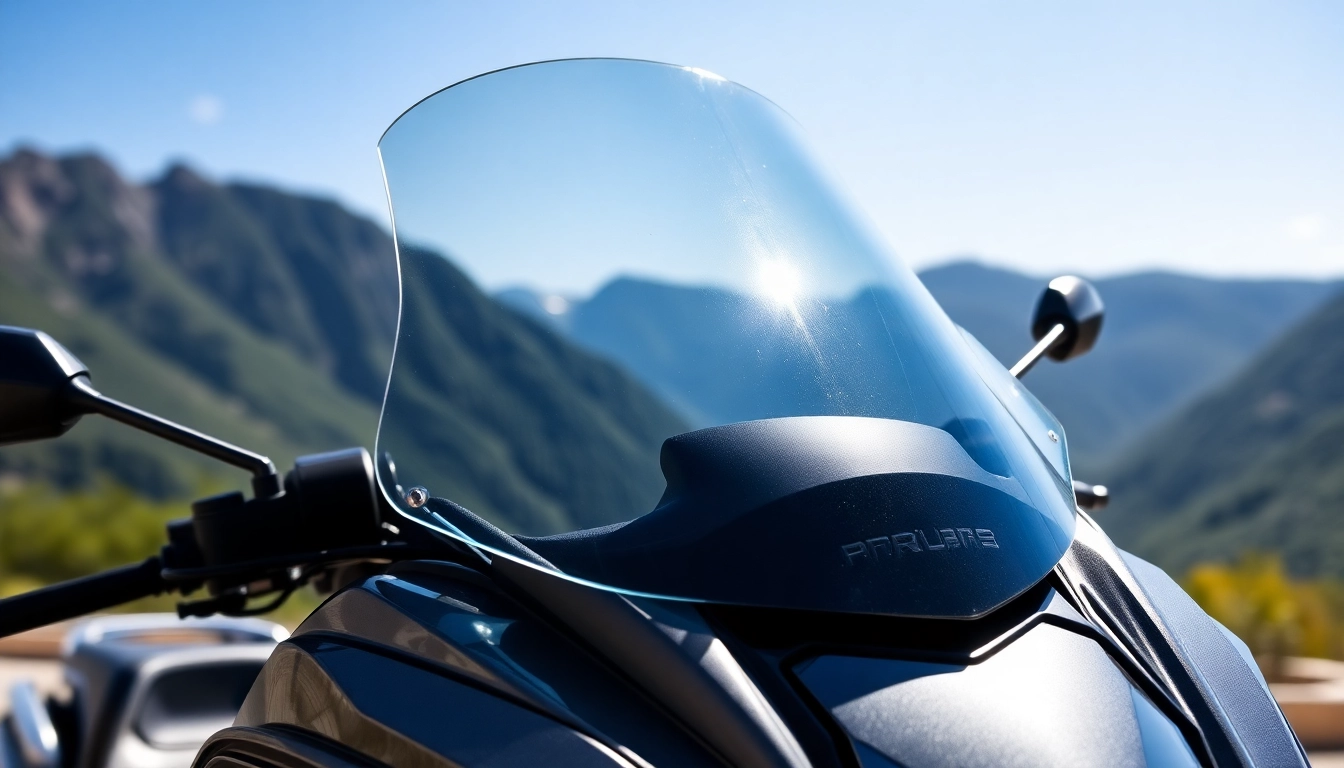
When it comes to maximizing comfort and safety while riding, the motorcycle windshield plays a pivotal role. Designed to shield riders from various elements, it significantly enhances the overall riding experience. Understanding how windshields function and the benefits they provide is essential for both novice and experienced riders alike.
Understanding Aerodynamics in Motorcycling
Aerodynamics is the study of how gases interact with moving bodies. For motorcyclists, the effects of aerodynamics can greatly influence riding dynamics and comfort. A well-designed motorcycle windshield improves airflow over the bike and its rider, reducing turbulence and drag. This results in a more stable ride, especially at higher speeds.
Windshields are engineered to redirect airflow away from the rider, allowing for a smoother riding experience. The shape and height of the windshield are crucial; they determine how effectively it can deflect wind. Riders should consider the windshield's profile, its angle, and how it integrates with the overall design of the motorcycle when choosing a windshield.
Protection Against Wind and Weather
Another critical function of motorcycle windshields is to protect riders from wind and weather elements. High speeds can create a significant wind blast, which not only affects comfort but can also lead to fatigue. A good windshield mitigates these effects, allowing riders to focus on the road ahead instead of battling against the wind.
Additionally, a windshield can provide protection from rain, debris, and insects. By minimizing exposure to these elements, riders can enjoy longer, more comfortable rides regardless of weather conditions. Riders who frequently travel in varied climates will find this protection invaluable, as it not only enhances comfort but also improves safety by providing clearer visibility.
How Motorcycle Windshield Enhances Comfort
The comfort provided by a motorcycle windshield cannot be overstated. Without the buffering effect of a windshield, riders can experience vibrations and pressure against their bodies, leading to discomfort over long distances. A properly fitted windshield reduces the strain on a rider's body and allows for a more relaxed posture over extended rides.
Comfort also ties into the ergonomic design of the motorcycle. A windshield can complement the riding position, ensuring that the rider is not only protected but also well-positioned to handle the bike efficiently. Ensuring optimal alignment with controls while maintaining a clear view of the road is crucial for a safe and enjoyable ride.
Types of Motorcycle Windshield Available
Full and Half Windshields: Pros and Cons
Motorcycle windshields come in many forms, with full and half windshields being the most common. Full windshields provide extensive coverage and protection, shielding the rider from nearly all wind and elements. They are generally preferred for touring and cruiser motorcycles, providing a comfortable experience for long rides.
On the other hand, half windshields serve a different purpose. While they offer some protection, they primarily help reduce windchill effect rather than provide total coverage. Half windshields are usually lighter and contribute to a sportier ride, making them a popular choice for sport or naked motorcycles.
Choosing between full and half windshields ultimately depends on individual riding preferences and styles. Riders expecting to spend more time on highways might lean towards full windshields, while those seeking agility and a sporty feel could favor half windshields.
Material Comparisons: Polycarbonate vs. Acrylic
The materials used for motorcycle windshields significantly impact their performance, durability, and price. Two prevalent materials are polycarbonate and acrylic. Polycarbonate is known for its exceptional strength and impact resistance. It is less prone to shattering and can withstand harsh conditions, making it an excellent choice for riders prioritizing safety and longevity.
Acrylic, while more affordable, tends to be less durable than polycarbonate. It can scratch more easily and may be less resistant to UV damage over time. However, acrylic windshields are available in various styles and tints, allowing riders to customize their motorcycles aesthetically. Weighing the durability and aesthetic options against the cost of each material is vital for making informed choices.
Custom vs. Standard Windshields
Riders often face the choice between standard and custom windshields. Standard windshields are manufactured to fit specific bike models, making them a convenient choice for those seeking quick and straightforward installation. They are readily available and often come at a lower price point.
Custom windshields, however, provide a personalized solution tailored to an individual rider's needs and style preferences. They can come in various shapes, heights, and colors, allowing for a unique integration with the motorcycle's overall design. Custom options may require more time and investment, but they often significantly enhance the riding experience, particularly for those who wish to optimize wind protection based on their riding stance.
Installation and Maintenance of Motorcycle Windshield
Step-by-Step Installation Process
Installing a motorcycle windshield is a manageable task with proper guidance. Here’s a step-by-step process to ensure a secure and effective installation:
- Gather all necessary tools: Typically, this includes a screwdriver, wrench, and possibly an assistance tool like a helper to hold the windshield as you secure it.
- Read the specific manufacturer's instructions: Ensure you follow any provided guidelines carefully for the best results.
- Prepare the motorcycle: Clean the area where the windshield will be installed, removing any dirt or debris to avoid scratches.
- Align the windshield: Position the windshield on the motorcycle in its intended location, ensuring it feels comfortable and functional for the rider's height.
- Secure the windshield: Begin fastening the windshield using the hardware provided. Ensure that all screws are tightened adequately, but avoid overtightening, as this can cause cracks or damage.
- Perform a final check: Conduct a thorough inspection to ensure everything is secure and properly aligned before taking the motorcycle for a test ride.
Cleaning and Care Tips for Longevity
Maintenance is imperative for the longevity of any motorcycle windshield. Proper cleaning and care will not only keep the windshield looking new but also preserve its functionality. Here are some best practices:
- Use a soft microfiber cloth: Avoid abrasive materials that can scratch the surface of the windshield.
- Choose the right cleaning solution: Opt for cleaners formulated specifically for plastics to prevent damaging the windshield.
- Wash regularly: Clean the windshield frequently, especially after rides in inclement weather or dusty conditions.
- Store indoors: When not in use, store the motorcycle in a sheltered area to protect the windshield against the elements, which can lead to wear over time.
- Inspect for damage: Regularly check for cracks or signs of wear, as early intervention can prevent more severe issues.
Signs Your Motorcycle Windshield Needs Replacement
Even with proper maintenance, motorcycle windshields may eventually need replacement. Look for these signs:
- Visible cracks or chips: Any damage to the windshield is a potential safety hazard and should be addressed immediately.
- Increased distortion: If you notice a significant change in visibility due to warping or scratches, it may be time to replace the windshield.
- Loud wind noise: An increase in wind noise could indicate that the windshield is no longer sealing properly, leading to a less comfortable ride.
- Severe discoloration: Over time, some materials can become yellowed or cloudy, hindering visibility.
How to Choose the Right Motorcycle Windshield
Factors to Consider Before Buying
Choosing the proper motorcycle windshield involves considering several factors to ensure you select one that aligns with your riding needs:
- Riding style: Assess your riding habits, whether you’re primarily a commuter, long-distance touring rider, or a weekend sport enthusiast.
- Height and fit: Your height can greatly affect which windshield will provide optimal protection. Ensure the windshield's height suits your vision and protection needs.
- Material preferences: As previously discussed, consider whether you prefer polycarbonate or acrylic based on your priorities in terms of durability and cost.
- Windshield height: Taller windshields often provide more protection but can also create additional turbulence. Measure and analyze your position to find the right balance.
- Style and aesthetics: The visual aesthetics of your motorcycle are also essential. Ensure the windshield matches the style of your bike and enhances its overall appeal.
Personal Preferences and Riding Styles
Every rider has unique preferences that influence their choice of motorcycle windshield. For example, sport riders may prioritize less weight and a smaller profile to maintain agility in handling, while touring riders may benefit significantly from a larger windshield that offers excellent wind protection and comfort on longer rides. Understanding your riding style and aligning it with the attributes of the windshield is crucial for an optimal riding experience.
Considerations such as frequent travel distances, typical weather conditions, and personal comfort requirements will all factor into your decision. Engaging with fellow riders and forums can provide additional insights and recommendations based on similar riding experiences and preferences.
Adjustability and Compatibility with Your Bike
Another essential aspect to consider is adjustability. Some windshields offer adjustable features that allow riders to customize the height or angle based on their preferences. This adaptability can enhance comfort and offer various protection levels depending on riding conditions. When researching options, verify the compatibility of any windshield with your specific motorcycle model to ensure seamless integration and functionality.
Performance Metrics and Customer Experiences
Real-World Testing: How Windshields Affect Riding
Understanding how a motorcycle windshield performance translates into real-world riding experiences requires metrics derived from user testing. Studies show that riders equipped with high-quality windshields often report reduced fatigue and improved focus during extended journeys. Testing on various motorcycle models reveals a direct correlation between properly fitted windshields and riders’ comfort levels, emphasizing the importance of a tailored fit.
Furthermore, aerodynamic testing can indicate reduced drag, suggesting that riders can maintain higher speeds with less physical effort, enhancing not only comfort but also safety. Each rider's feedback contributes to a collective understanding of how different designs impact overall riding experiences.
User Reviews: What Riders are Saying
User reviews play a significant role in understanding the effectiveness and quality of motorcycle windshields. Riders often share insights about material performance, clarity over time, and how certain models adapt to varying conditions. Feedback can include comments on compatibility with specific motorcycle models, installation processes, and valuable comparisons to other products in the market.
Such testimonials can guide potential buyers in making informed choices based on real-world experiences, enhancing confidence in their purchase decisions.
Quantifying the Comfort and Safety Benefits
Ultimately, the quantifiable benefits of motorcycle windshields can be summed up in two key areas: comfort and safety. Comfort can be measured through reduced fatigue rates over rides and overall satisfaction expressed by users. Safety, on the other hand, can be evaluated by examining accident statistics related to rider exposure to wind and weather elements. Riders using windshields are statistically less likely to experience discomfort that could lead to inattentiveness or loss of control during rides.
Investing in a quality motorcycle windshield can thus be viewed as not only a personal comfort enhancement but also a crucial aspect of ensuring a safer riding environment. Riders looking to optimize their experience should carefully consider all aspects discussed to make educated decisions leading to enjoyable, safe motorcycling journeys.