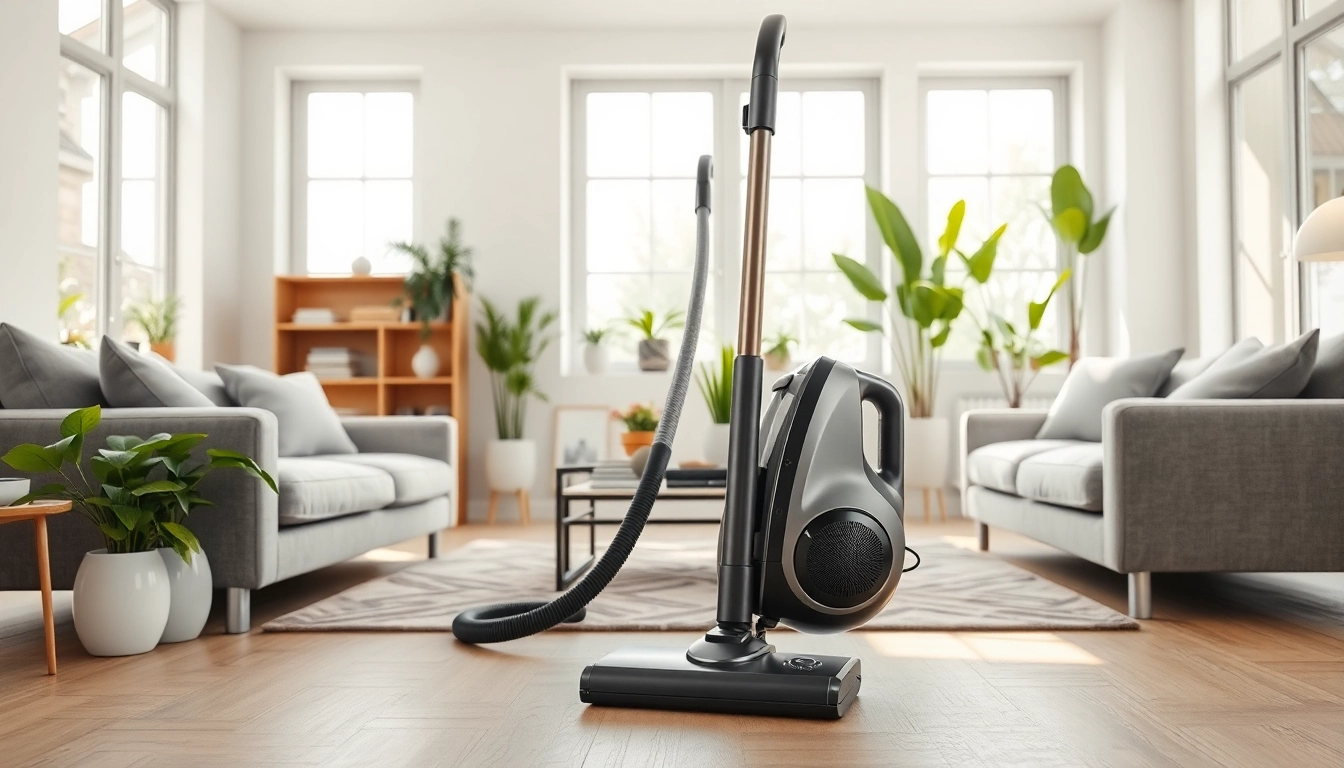
1. Understanding Different Types of Vacuum
Choosing the right vacuum is essential for effective cleaning, but understanding the variety of options available is the first step towards making an informed choice. Different types of vacuums cater to specific cleaning needs and preferences, which can vary widely based on home size, flooring type, and lifestyle. Below, we delve into the three primary categories: upright, canister, and robotic vacuums, capturing their pros and cons, features, and suitability for various scenarios.
1.1 Upright Vacuum: Pros and Cons
Upright vacuums are often recognized for their power and effectiveness, making them a popular choice for many households. Here are some key pros and cons to consider:
- Powerful Suction: Upright vacuums typically offer strong suction capabilities that effectively pick up dirt, debris, and pet hair.
- Large Dust Capacity: Many models come with sizable dirt compartments, allowing for extended cleaning intervals without the need to empty frequently.
- Versatile Attachments: These vacuums often include various attachments for cleaning upholstery, stairs, and harder-to-reach areas.
- Weight: Upright vacuums can be heavy and cumbersome, making them less manageable for some users, especially in larger homes.
- Storage Space: Their size can be a disadvantage in small homes or apartments where storage space is limited.
- Noise Levels: They tend to be noisier compared to other types of vacuums, which might be a consideration in households with small children or pets.
1.2 Canister Vacuum: Features and Benefits
Canister vacuums consist of a separate dust container connected to a cleaning head via a long hose. This design presents unique advantages:
- Better Maneuverability: The lightweight and flexible hose allows users to navigate around furniture and tight spaces easily.
- Versatile Cleaning: Ideal for various surfaces—from hardwood floors to carpets—making them excellent for multi-surface homes.
- Quieter Operation: Generally, canister vacuums operate at lower noise levels compared to upright models.
- Storage Considerations: Canisters require additional storage space due to their separate components.
- Less Suction Power: Some canister vacuums may not match the suction strength of upright models, particularly when cleaning larger debris.
1.3 Robotic Vacuum: Convenience at Its Best
Robotic vacuums represent a technological advancement in household cleaning, designed to operate autonomously. Here’s what to keep in mind:
- Automation: Users can set these vacuums to clean on a schedule, allowing for hands-free operation.
- Compact Design: Their low profile allows them to clean under furniture that traditional vacuums may not easily reach.
- Smart Features: Many robotic vacuums come equipped with smart technology, including app connectivity and voice control.
- Limited Cleaning Capacity: While convenient, robotic vacuums may struggle with heavy-duty cleaning tasks compared to uprights and canisters.
- Navigation Challenges: They may encounter difficulties navigating complex room layouts or avoiding obstacles.
- Higher Price Point: Often, robotic vacuums can be more expensive due to their advanced technology.
2. Key Features to Consider When Buying a Vacuum
Investing in a vacuum requires careful consideration of various features that can significantly impact the cleaning experience. Understanding these features can empower you to choose a model that best fits your needs.
2.1 Suction Power: Measuring Effectiveness
The efficiency of any vacuum largely hinges on its suction power. This is typically quantified in air watts or cubic feet per minute (CFM). When evaluating suction power:
- A higher suction power typically translates to better performance on various surfaces, including carpets and upholstery.
- Vacuums with adjustable suction settings can accommodate different cleaning tasks, allowing users to increase or decrease suction as needed.
- Performance can also be determined by the vacuum’s motor capability—strong motors generally equate to improved suction efficiency.
2.2 Filtration System: Importance of HEPA Filters
Air quality is an essential consideration when choosing a vacuum. The filtration system plays a critical role in this aspect. High-Efficiency Particulate Air (HEPA) filters are particularly important for those with allergies:
- HEPA filters can trap smaller particles, including dust mites, pet dander, and pollen, significantly improving indoor air quality.
- Regular maintenance and replacement of filters are crucial to ensure optimal performance and longevity.
2.3 Weight and Maneuverability: Ease of Use
The weight of a vacuum can influence its overall usability. While heavier models may provide more powerful cleaning, they can be cumbersome to operate:
- A lightweight vacuum is easier to carry up and down stairs and maneuver around furniture, making it ideal for multi-level homes.
- Look for models with features such as swivel steering, which can enhance maneuverability and ease of navigation.
3. Vacuum Maintenance: Best Practices
To ensure that your vacuum operates effectively throughout its lifespan, regular maintenance is essential. This segment covers crucial maintenance practices that every vacuum owner should adopt.
3.1 Regular Cleaning and Upkeep
Just as the performance of a car improves with regular servicing, your vacuum will perform better with consistent upkeep:
- Periodically check the vacuum’s brush roll for tangles and debris, and clean them out to maintain optimal performance.
- Empty the dust compartment frequently to prevent clogging, which can hinder suction power.
- Ensure that all filters are cleaned or replaced according to the manufacturer’s recommendations to maintain air quality and suction.
3.2 Replacing Filters and Bags
If your vacuum uses bags, changing them when full is crucial for maintaining suction power. Likewise, filters need regular inspection:
- Use the manufacturer’s guidelines to determine the appropriate frequency for filter and bag replacement.
- Consider investing in washable filters, as they offer a cost-effective and eco-friendly option. However, they still need regular cleaning.
3.3 Troubleshooting Common Issues
Understanding how to tackle common vacuum problems can save time and frustration. Here are some typical issues and solutions:
- Loss of Suction: Check for clogs in the hose and clean filters or dust compartments.
- No Power: Ensure that the vacuum is plugged in correctly, and check for possible circuit breaker tripping.
- Strange Noises: Investigate for tangled cords, debris caught in the brush roll, or loose parts.
4. Vacuum Innovations and Trends
The vacuum industry is continuously evolving, with manufacturers integrating new technologies and features that enhance performance and convenience. Understanding these trends can help you stay informed about the best possible options in the market.
4.1 Smart Features in Modern Vacuums
Modern vacuums are becoming increasingly integrated with smart home technologies, enhancing the user experience:
- App Connectivity: Many vacuum models now offer smartphone apps that allow users to customize cleaning schedules, monitor performance, and receive maintenance alerts.
- Voice Control: Integration with virtual assistants means users can start or stop cleaning sessions hands-free, providing greater convenience.
4.2 Eco-Friendly Options and Designs
The demand for sustainable products has led to the emergence of eco-friendly vacuum options that minimize environmental impact:
- Manufacturers are increasingly using biodegradable materials and recyclable components in vacuum construction.
- Energy-efficient motors and designs reduce electricity consumption, appealing to environmentally conscious consumers.
4.3 Future Technologies in Vacuum Cleaning
As technology advances, vacuum designs will continue to evolve:
- Emerging technologies such as artificial intelligence are expected to enhance vacuums’ navigation capabilities, allowing for more precise cleaning routes.
- Developments in battery technology promise longer runtimes for cordless models, making them even more convenient for regular use.
5. Maximizing Vacuum Efficiency in Your Home
To leverage the full potential of your vacuum, some strategic practices can be implemented. This final section provides actionable tips to maximize efficiency during cleaning.
5.1 Developing a Cleaning Schedule
Creating a cleaning schedule can ensure consistent upkeep and maintain cleanliness in your home:
- Organize cleaning sessions based on high-traffic areas, such as living rooms or kitchens, which may require more frequent attention.
- Consider factors such as pet shedding and seasonal allergies to adjust cleaning frequency accordingly.
5.2 Techniques for Effective Vacuuming
Employing the right techniques can enhance vacuum cleaning outcomes:
- Vacuum in multiple directions to lift dirt and debris effectively, especially in carpeted areas.
- Utilize appropriate attachments, such as crevice tools, for tight spaces and soft brushes for delicate surfaces.
5.3 Understanding Your Home’s Layout and Needs
Every home is unique, and understanding its layout can enhance cleaning efficiency:
- Familiarize yourself with specific cleaning needs based on flooring types and areas that collect dust.
- Identify obstacles and plan a cleaning route to minimize disruptions and ensure thorough coverage.