
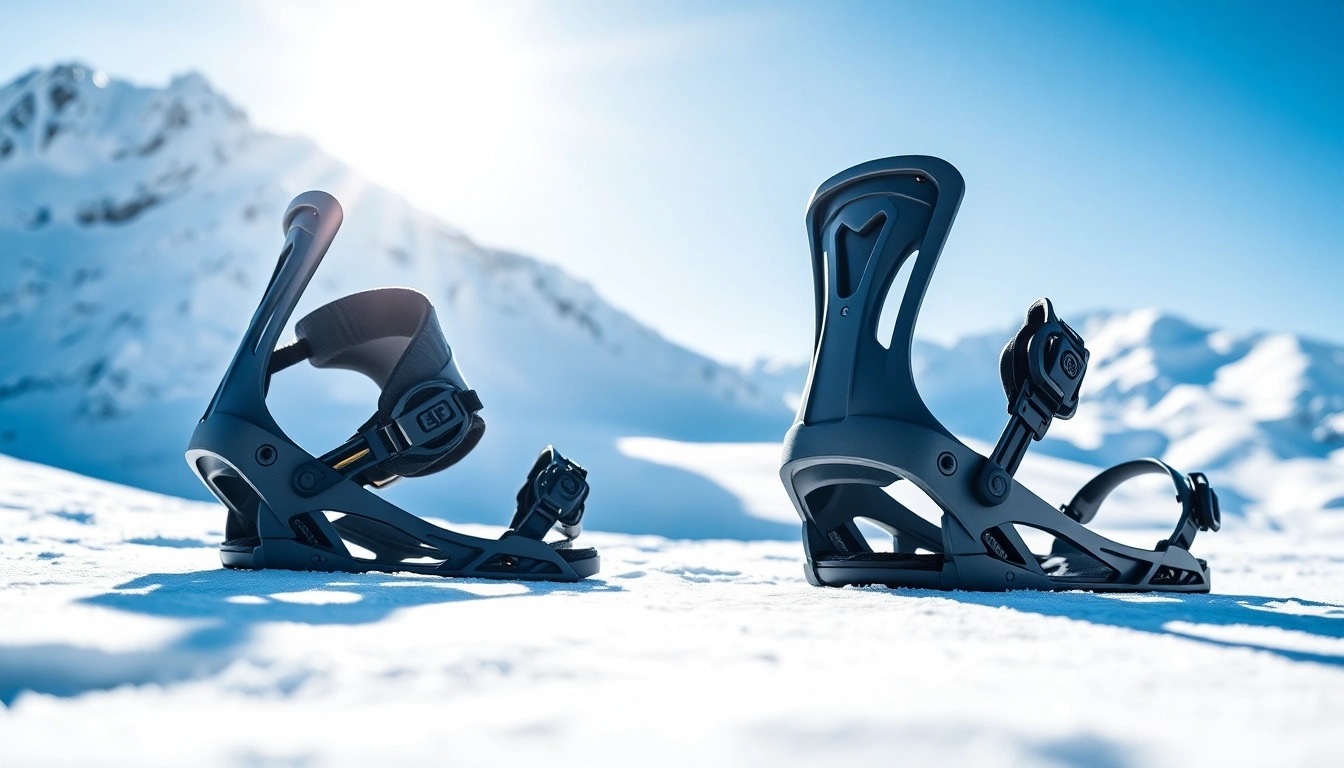
Understanding Snowboard Bindings
What Are Snowboard Bindings?
Snowboard bindings serve as the critical link between a snowboarder’s boots and the snowboard itself. Designed to keep the rider securely attached while allowing for flexibility and control, bindings come in various shapes and dimensions that cater to different riding styles and preferences. Essentially, snowboard bindings harness the power generated through leg movements and convert them into directional control and stability as the snowboard glides down a slope.
How Snowboard Bindings Work
The mechanics behind snowboard bindings involve several components that work together to enhance performance. The base plate of the binding connects directly to the snowboard, securing the binding with screws. Above this, the highback supports the rider's calf and plays a crucial role in lateral movement and heel-side turns. Straps—typically consisting of a toe strap and ankle strap—secure the rider’s boot in place, ensuring maximum responsiveness. Properly adjusted bindings help in translating a rider’s body movements into precise actions on the board, enhancing overall control and safety.
Different Types of Snowboard Bindings
Snowboard bindings can be categorized into three primary types—strap-in, rear-entry, and step-on bindings. Strap-in bindings are the most common, providing support through the use of adjustable straps, making them popular among various skill levels. Rear-entry bindings allow riders to slide their boots into the bindings from the rear, facilitating quick entry and exit, which is particularly useful for beginner snowboarders or those who frequently need to adjust their setup. Step-on bindings represent a newer innovation that enables a quicker, hassle-free setup by simply stepping into the binding without the need for manuals, ideal for rapid transitions on the slopes. Each binding variation brings unique advantages suited to different rider preferences and conditions.
Choosing the Right Snowboard Bindings
Factors to Consider When Selecting Snowboard Bindings
When selecting snowboard bindings, consider factors such as your riding style, level of experience, and personal preferences. For instance, freestyle riders may prefer softer flex bindings that facilitate easier maneuvers and tricks, while freeriders often opt for stiffer bindings that provide greater support and stability in variable conditions. Additionally, consider your weight and height since these factors can influence the required support and configuration of the bindings.
Compatibility with Snowboards and Boots
Compatibility between snowboard bindings, boots, and snowboards is crucial. Most snowboards utilize a standardized mounting system (such as 4-hole and channel systems) that match various bindings. Ensuring your binding's base plate aligns correctly with your snowboard's mounting pattern is essential for maximizing performance and safety. Furthermore, be sure the bindings fit your boot size correctly; many brands offer sizing charts that assist in making an informed choice. Snowboard bindings that fit properly will enhance comfort and performance, significantly improving your riding experience.
Binding Flex and Its Impact on Performance
The flex of your snowboard bindings greatly affects performance. Stiffer bindings provide better response and power transfer, making them ideal for aggressive riding styles that involve high speeds or steep terrain. Conversely, softer bindings offer additional flexibility, providing comfort and ease of movement, perfect for beginners or those focusing on freestyle tricks. Recognizing your personal riding style will help you choose the right flex to optimize your performance on the slopes, ensuring you find the best balance between comfort and control.
Installation and Adjustment of Snowboard Bindings
Step-by-Step Guide to Installing Snowboard Bindings
- Gather Your Tools: You'll need a screwdriver, your bindings, and a flat workspace.
- Align the Mounting Pattern: Position the base plate on the snowboard aligning it with the corresponding holes.
- Secure the Bindings: Using screws, secure the base plate into the snowboard. Make sure not to overtighten, as this can strip the holes.
- Attach the Highback: Ensure the highback is oriented towards the heel edge and is securely tightened.
- Adjust the Straps: Position the ankle and toe straps to ensure they are snug but comfortable against your boot.
- Final Checks: Stand on the board to test the adjustments, ensuring your feet feel secure without being overly tight.
Making Adjustments for Fit and Comfort
After installation, making necessary adjustments is crucial for a comfortable ride. The ankle straps should hold the foot in place without cutting into it, while the toe strap should grip the front of the boot securely. Testing your fit is vital; your bindings should allow for slight flexion yet offer ample support. Additionally, adjust the highback angle to suit your riding style—a more upright position is ideal for freestyle, while a more angled setting benefits freeride styles.
Common Installation Mistakes to Avoid
Common mistakes during the installation of snowboard bindings can hinder performance and safety. Avoid the following errors: not ensuring a proper fit for your boots and bindings, failing to align the mounting holes correctly, and neglecting to check the security of the screws. It is crucial to perform a final check on all adjustments made to binding angles and strap tensions to avoid discomfort or security issues while riding.
Maintaining Your Snowboard Bindings
Cleaning and Care Tips for Longevity
To ensure the longevity of your snowboard bindings, regular cleaning and maintenance are essential. After each snowboarding session, wipe down the bindings to remove snow, ice, and dirt. A soft cloth or a brush can help prevent buildup around the straps and buckles. Occasionally, check the screws for any signs of rust or looseness, and tighten as necessary. Proper storage, ideally in a dry and cool place, will also help prolong the life of your bindings.
Signs of Wear and When to Replace
Recognizing the signs of wear on your snowboard bindings is vital for safety and performance. Look for frayed straps, cracks in the base or highback, and any deterioration in the cushioning. If adjustments no longer secure your boots adequately or if there is excessive play in the straps, it may be time to replace the bindings. Regular inspections after every few sessions can help catch issues early, ensuring safe and enjoyable rides.
Seasonal Maintenance Checklist
Here’s a brief seasonal maintenance checklist to keep your snowboard bindings in top shape:
- Inspect straps and buckles for wear.
- Tighten all screws and check for rust.
- Clean bindings after snowboarding sessions.
- Ensure proper fit and comfort adjustments every season.
- Store in a dry, temperature-controlled environment.
FAQs About Snowboard Bindings
What size snowboard bindings do I need?
Choosing the right size depends on your boot size. Most brands provide sizing charts to guide you.
Can I use any snowboard bindings with my board?
No, ensure compatibility between your bindings and snowboard, particularly with mounting systems.
How do I know if my snowboard bindings are too tight?
If your feet feel numb or you experience pain while riding, the bindings may be too tight. Adjust them accordingly.
Are there beginner-friendly snowboard bindings?
Yes, look for soft flex and easy entry features in beginner bindings, which provide comfort and confidence.
How often should I maintain my snowboard bindings?
Regularly check your bindings each season, and perform maintenance as needed during your snowboarding trips.