Understanding Gas Springs
What Are Gas Springs?
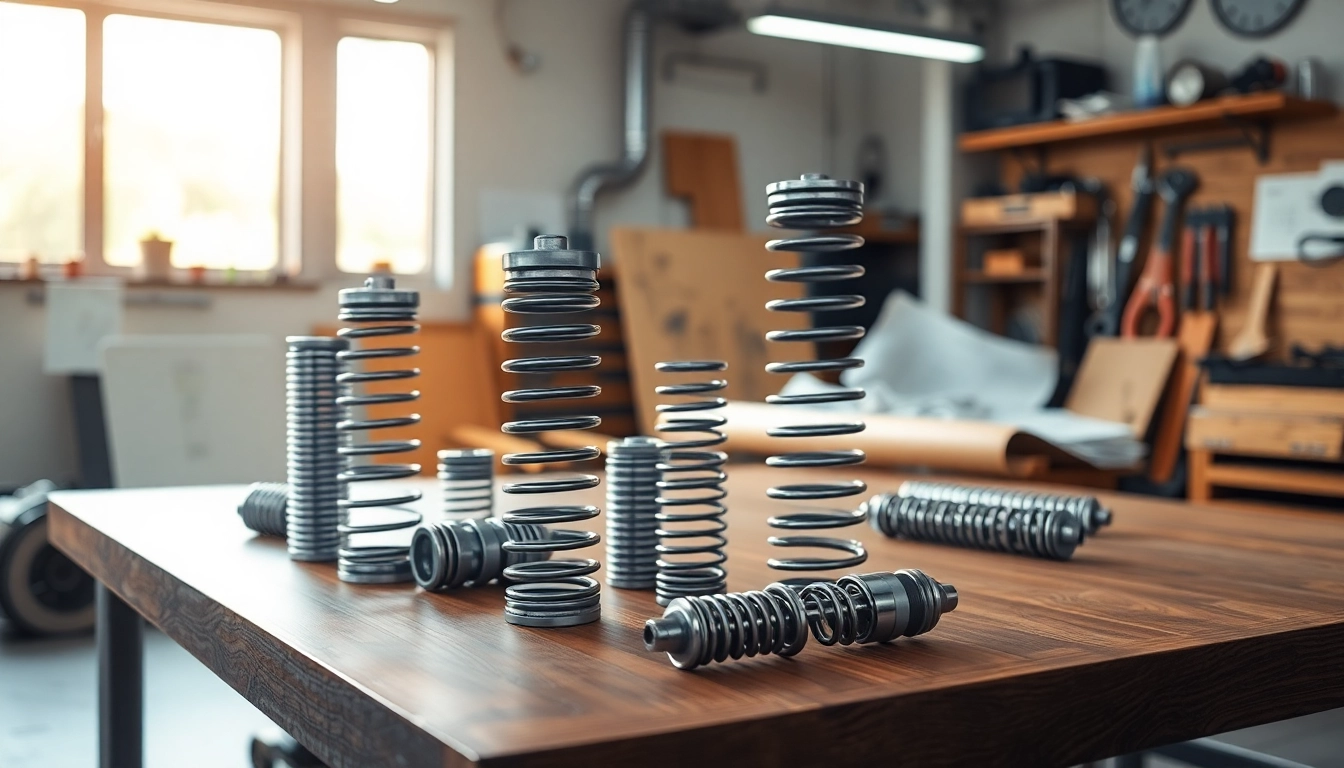
Gas springs, also known as gas struts or gas shocks, are mechanical devices that utilize compressed gas contained in a sealed cylinder. As they operate, they provide force to assist in raising, lowering, or holding objects in place. The fundamental mechanism consists of a piston that moves within the cylinder, allowing the gas to compress or expand, thus acting as a spring. Commonly used in various industries, gas springs play a vital role in enhancing the functionality and safety of products, ranging from automotive applications to furniture design.
Applications of Gas Springs
Gas springs find applicability in numerous sectors, including automotive, aerospace, furniture, and industrial machinery. In the automotive sector, these devices assist in lifting hoods, tailgates, and trunk lids, ensuring ease of use and safety for the user. In the aerospace industry, they are crucial for emergency exits and cargo doors, where reliability is paramount. Additionally, in furniture production, gas springs are utilized in adjustable office chairs and adjustable tables, allowing users to customize their height settings. The versatility of gas springs makes them essential in any application requiring controlled movement and positioning.
Benefits of Using Gas Springs
The advantages of incorporating gas springs into designs and products are numerous. Primarily, they provide precise control over movement, resulting in smoother operations compared to traditional mechanical springs. They also offer maintenance-free performance due to their sealed design, eliminating issues related to wear and tear. Their lightweight construction allows for more efficient designs and the ability to provide significant force despite their size. Furthermore, with adjustable force settings, gas springs enhance ergonomic benefits, leading to improved user experiences. Collectively, these benefits position gas springs as a valuable component in modern engineering and design.
Identifying Your Needs
Choosing Gas Spring Size and Stroke
Selecting the appropriate size and stroke length of a gas spring is crucial for meeting the specific requirements of your application. The size of a gas spring typically refers to its cylinder diameter and overall length when compressed. Meanwhile, stroke length is the distance the piston travels when the spring operates. An accurate measurement of the required stroke distance is essential, as too short a stroke can lead to inadequate operation, while too long a stroke may result in unnecessary bulk. Carefully assessing these dimensions will ensure that the gas spring functions effectively within its designated application.
Load Capacity Considerations
Each gas spring is designed to support a specific load capacity, which must align with the application it serves. When determining the needed load capacity, it’s vital to consider the weight of the items being lifted or held. Factors such as dynamic loading (moving loads) and static loading (weights that remain stationary) should also be analyzed. Ensuring that the gas spring can accommodate the maximum load without compromising safety is critical. Manufacturers often provide detailed specifications that highlight the load rating; thus, careful scrutiny of these details is advisable when selecting a gas spring.
Environmental Factors Impacting Selection
Environmental conditions can dramatically affect the performance and durability of gas springs. Factors such as temperature ranges, humidity levels, and exposure to chemicals can influence material selection and design characteristics. For instance, high-temperature environments may require gas springs with specialized seals to prevent gas leakage. Conversely, environments with exposure to corrosive elements may necessitate springs made from stainless steel or treated with protective coatings. When sourcing gas springs, it is essential to take into account these environmental factors to ensure longevity and function.
Finding a Reliable Gas Spring Supplier
Evaluating Supplier Reputation
When searching for a gas spring supplier, supplier reputation is paramount. A reputable supplier will have a solid track record of fulfilling client needs while maintaining high-quality standards. This can often be gauged through customer testimonials and online reviews. Checking industry certifications and compliance with relevant safety and quality standards is also a significant way to assess a supplier's reliability. Engaging directly with potential suppliers regarding their experience, customer service policies, and after-sales support can provide additional insights into their standing in the market.
Assessing Product Quality
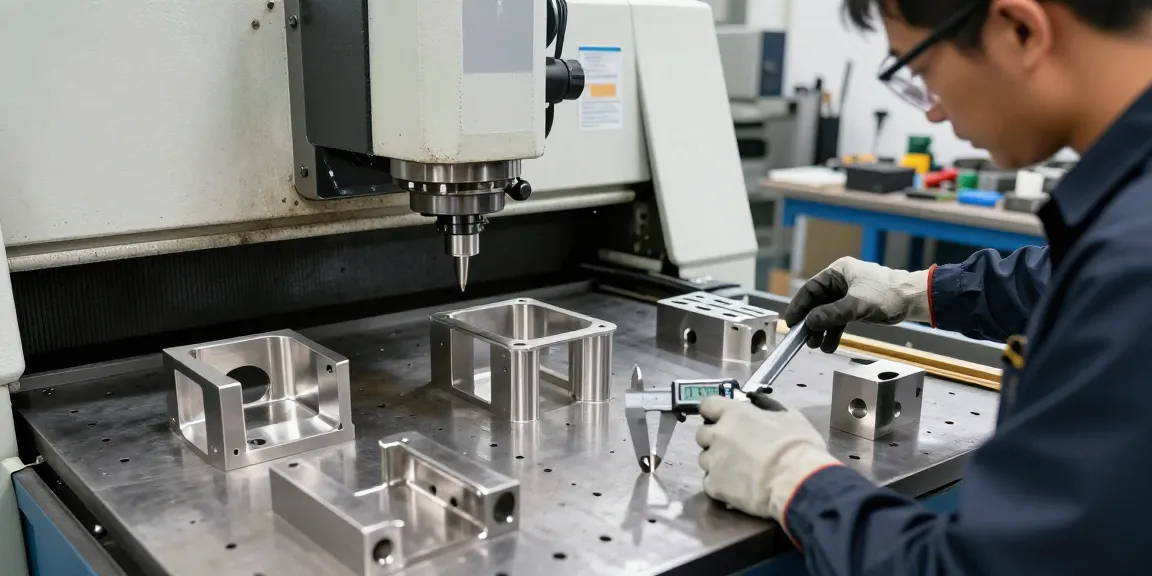
Quality is a critical factor when selecting a gas spring supplier. Reviewing the manufacturing process and the materials used in production is advisable to guarantee the longevity and reliability of the gas springs. Suppliers who invest in quality control measures, such as rigorous testing for performance and durability, are typically more trustworthy. Additionally, consider requesting samples or detailed specifications to verify that the springs meet the necessary operational standards prior to undertaking a large-scale purchase.
Comparing Supplier Offerings
It’s wise to compare multiple suppliers to gauge the variety of gas springs available and to identify which options best align with your projects. Investigating the type of customization offered can also reveal a supplier's compatibility with unique project needs. Furthermore, evaluating pricing, delivery timelines, and customer support can assist in making an informed decision. Such thorough comparison ensures that you select a supplier who not only meets your practical requirements but also provides value and reliability.
Cost Factors in Gas Spring Supplies
Understanding Pricing Models
Gas spring prices can vary widely based on several factors including materials, load capacity, size, and design specifications. Understanding the pricing models offered by suppliers can help in budgeting for your projects. Some suppliers may offer bulk discounts or tiered pricing depending on order quantities. Additionally, there may be variations based on customization and specific engineering requirements. Analyzing these models not only aids in financial planning but also highlights options for maximizing resources effectively.
Balancing Cost and Quality
While seeking cost-effective solutions, it is crucial to avoid compromising on quality. Cheaper gas springs may save money in the short term but could lead to higher replacement costs and safety concerns if they fail prematurely. It’s advisable to choose suppliers known for their product quality, even if it reflects a higher initial investment. Creating a balance between cost and quality ensures long-term reliability and performance, ultimately leading to better operational outcomes.
Hidden Costs to be Aware Of
When budgeting for gas springs, it’s important to consider hidden costs that may arise. These can include shipping costs, customs duties for international orders, and potential charges for returns or replacements. Additionally, factoring in costs related to installation and maintenance should not be overlooked. Being aware of these aspects will help provide a clearer picture of total expenditure, aiding in more accurate financial planning and decision-making.
FAQs about Gas Springs
What is the lifespan of a gas spring?
The lifespan of a gas spring typically ranges from 20,000 to 50,000 cycles, depending on the design and usage conditions. Proper maintenance and adherence to load specifications can extend their durability.
How do I install a gas spring?
Installation involves mounting the gas spring at specific pivot points, ensuring proper alignment. Most installations require basic tools and should follow the manufacturer’s guidelines for safety and functionality.
Can gas springs be resized?
Gas springs cannot be resized once manufactured, but custom springs can be ordered based on specific requirements. Always consult with a supplier regarding modifications.
What maintenance is required for gas springs?
Gas springs are generally maintenance-free due to their sealed construction. Periodic visual inspections for corrosion, damage, or gas leakage are recommended to ensure continued performance.
Where can I find custom gas springs?
Custom gas springs can be sourced from specialized manufacturers or suppliers offering tailored solutions. Engaging with a Gas Spring Supplier typically allows for specific customization requests to meet project needs.