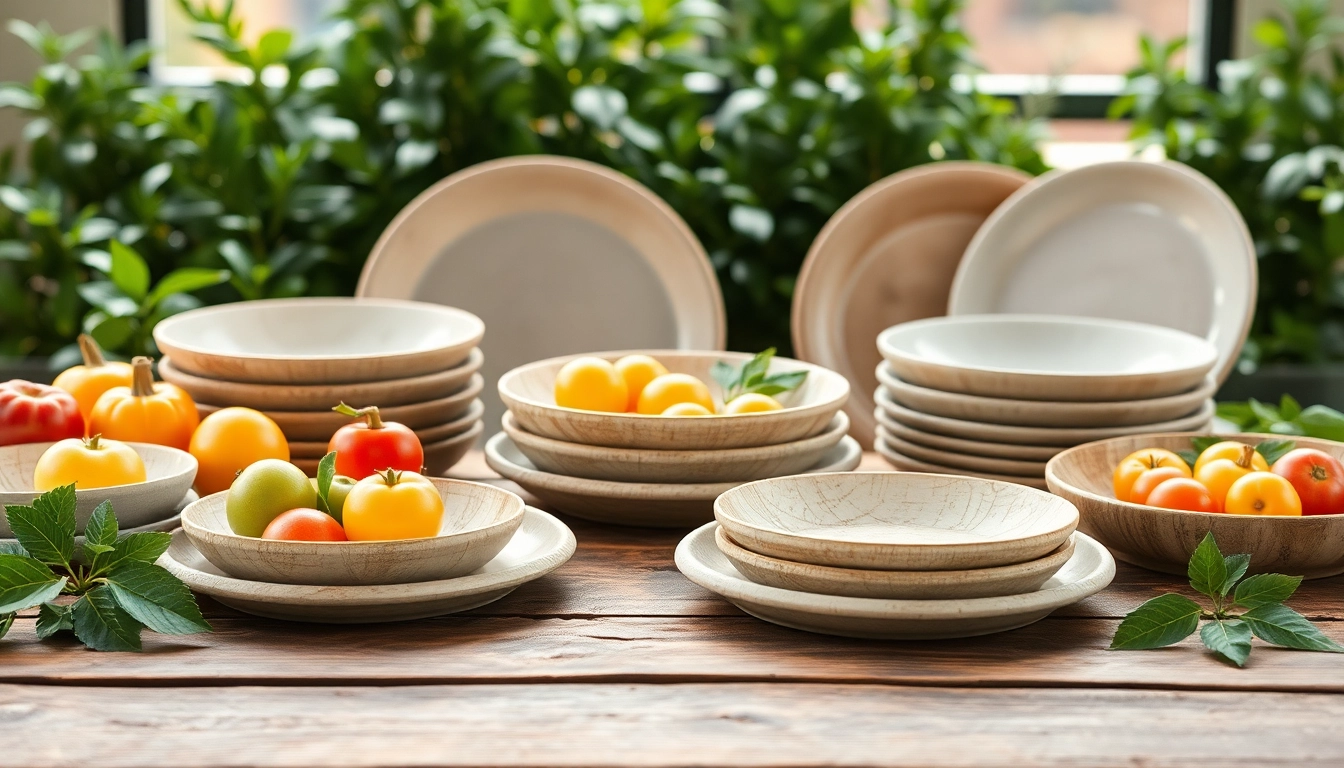
Introduction to Compostable Plates
With increasing awareness of environmental issues, compostable plates have emerged as a sustainable alternative to traditional disposable tableware. These eco-friendly options not only reduce waste but also play a vital role in promoting a circular economy. If you're interested in diving deeper into this topic, this guide on compostable plates will equip you with essential information about their benefits, selection criteria, and best practices for use.
What are Compostable Plates?
Compostable plates are made from organic materials that break down into nutrient-rich compost when disposed of in the right conditions. Unlike conventional plastic plates, which can take centuries to decompose, compostable plates can typically break down within a few months when placed in optimal composting environments. They are generally made from plant-based materials such as sugarcane, bamboo, or palm leaves, and are designed to provide functionality similar to that of traditional disposable plates without the environmental impact.
Benefits of Using Compostable Plates
The adoption of compostable plates offers a range of significant benefits:
- Environmental Impact: Compostable plates decompose more quickly than plastic, reducing landfill waste and pollution.
- Reduction in Fossil Fuels: Many compostable materials are renewable resources, helping reduce reliance on fossil fuels.
- Support Local Ecosystems: When composted correctly, these plates enrich soil, promoting healthy ecosystems.
- Versatility: Available in various sizes and designs, compostable plates can suit any occasion, from casual picnics to formal events.
- Consumer Preference: Increasing sustainability awareness has made compostable plates a popular choice among eco-conscious consumers.
Types of Materials Used
Compostable plates are manufactured using several types of materials, each offering unique benefits:
- Sugarcane Bagasse: A byproduct of sugar production, bagasse plates are sturdy and suitable for a variety of hot and cold foods.
- Bamboo: Lightweight and elegant, bamboo plates provide a natural aesthetic and are highly durable.
- Plant Starch: Derived from corn or potato starch, these plates are fully biodegradable and food-safe.
- Palm Leaf: Naturally fallen palm leaves are transformed into eco-friendly plates, providing a rustic look.
How to Choose the Right Compostable Plates
Choosing the right compostable plates can greatly enhance your event or meal's sustainability and functionality. Here's what to consider:
Consider Your Occasion
Different occasions may require different types of compostable plates. For casual gatherings like picnics, consider sturdy sugarcane or bamboo plates that can hold heavier foods. If you're hosting a formal event, decorative palm leaf plates may elevate your table setting. Always consider the event's formality and the types of food being served when making your selection.
Factors to Consider: Size and Shape
Compostable plates come in various sizes and shapes. Ensure that you choose sizes appropriate for the food being served. For example, larger plates are suitable for main courses, while smaller sizes are perfect for appetizers or desserts. Additionally, consider using compartmentalized plates for meals that include multiple components, ensuring each food item is properly contained.
Understanding Certification and Labels
When selecting compostable plates, look for certification labels such as ASTM D6400 or EN 13432. These certifications indicate that the plates meet established compostability standards and will break down effectively in composting facilities or home compost settings. Understanding the labels can help you ensure that your choices are indeed eco-friendly.
Best Practices for Using Compostable Plates
To maximize the benefits of compostable plates, follow these best practices:
Storage and Handling Tips
Store compostable plates in a cool, dry area away from direct sunlight to retain their strength and quality. Avoid stacking them in a way that could lead to damage. It's best to handle them with clean hands to maintain hygiene and prevent any contamination.
When to Use Compostable Plates
Compostable plates are suitable for both casual and formal gatherings, including birthday parties, weddings, barbecue events, and corporate meetings. They are perfect for any situation where traditional tableware may be difficult to clean and reuse. However, avoid using them with extremely greasy or liquid-heavy foods, as these can compromise the plate's integrity.
Cleaning and Composting Guidelines
While compostable plates can typically handle a variety of food types, it's essential to avoid mixing them with traditional plastic waste. When cleaning up post-event, separate the plates from other trash and ensure they are free from any non-compostable residue such as plastic or metal. Follow local composting guidelines, which may vary.
Common Misconceptions about Compostable Plates
As compostable plates gain popularity, several misconceptions have emerged:
Are All Compostable Plates Truly Compostable?
Not all plates labeled as compostable are created equal. Some may require industrial composting facilities to break down properly, while others can decompose in home composting systems. Always verify certifications to ensure true compostability.
Can I Use Compostable Plates for Hot Foods?
Yes, many compostable plates are designed to hold hot foods, such as those made from sugarcane or bamboo. However, always check the manufacturer's guidelines for temperature limits to ensure safety and functionality.
Disposal Methods Explained
Disposal of compostable plates can be straightforward. If you have access to municipal composting services, you can dispose of the plates there. If home composting, simply add them to your compost bin, ensuring it's adequately aerated and maintained to promote decomposition.
FAQs about Compostable Plates
What materials are compostable plates made from?
Compostable plates can be made from various plant-based materials, including sugarcane, bamboo, palm leaves, and starch-based products, all designed to break down in composting environments.
Where can I find compostable plates?
Compostable plates are widely available online and at various retail locations, including supermarkets, party supply stores, and specialty eco-friendly shops.
Are compostable plates durable enough for parties?
Many compostable plates are designed to be sturdy and can handle a variety of foods, making them appropriate for parties and gatherings. Always check the manufacturer's specifications for maximum weight capacity.
How do I properly dispose of compostable plates?
Compostable plates can be disposed of in a compost bin, either municipal or home-based. Ensure they are free from contaminating materials such as plastic or metal, and follow local composting guidelines.
Are compostable plates safe for microwave use?
Most compostable plates are microwave-safe; however, it's best to consult the manufacturer's packaging for specific instructions and temperature limits to ensure safety during use.