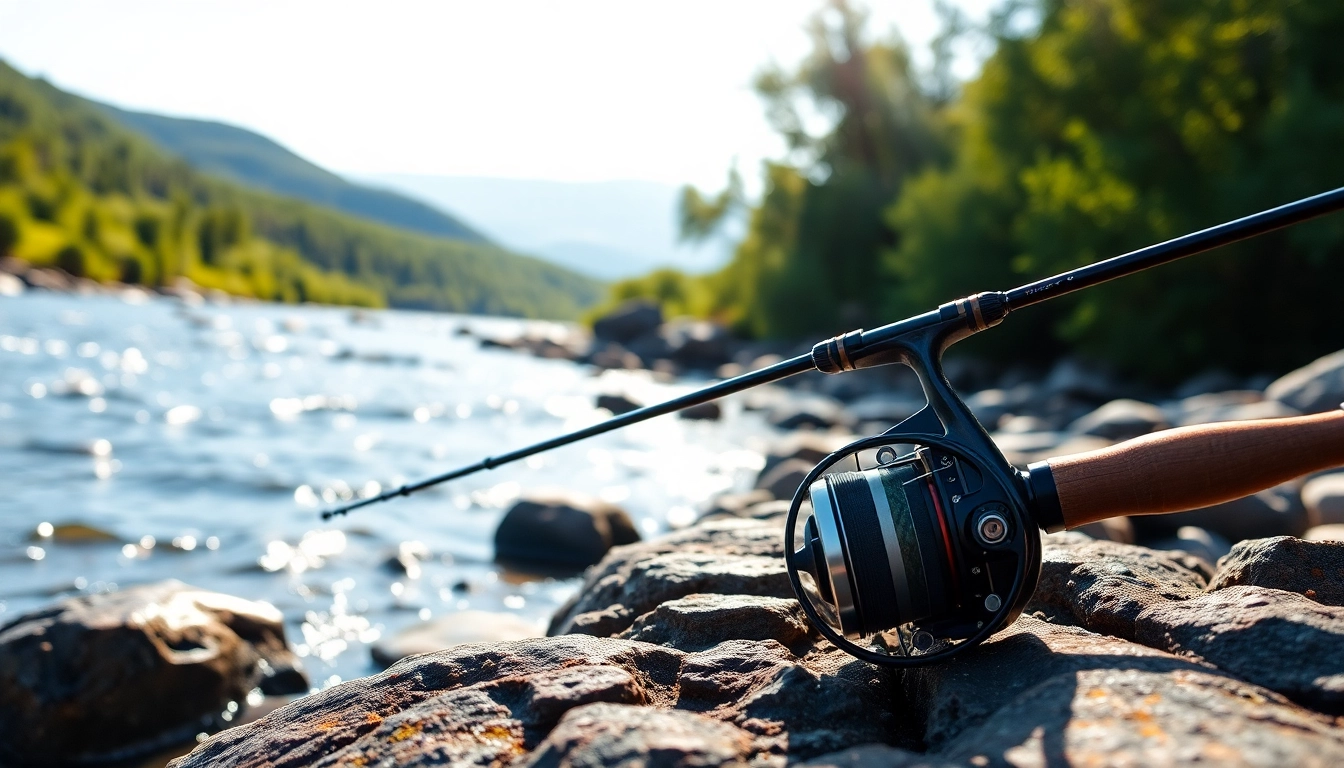
Understanding the Fly Fishing Combo
For both novices and seasoned anglers, a basic understanding of a Fly fishing combo is crucial. This combo typically includes a fly rod, reel, line, and sometimes additional accessories. Fly fishing can seem complex at first, but the right combination of gear can make all the difference in creating an enjoyable fishing experience. This guide will cover everything you need to know about fly fishing combos, from the different types available to how to choose the right one for your activities.
What Constitutes a Fly Fishing Combo?
A fly fishing combo is essentially a package that brings together essential components for fly fishing. The standard combo includes:
- Fly Rod: A long, flexible rod specifically designed for casting lightweight flies.
- Fly Reel: A reel to store fishing line and help catch fish.
- Backing Line: This line connects the fly line to the reel and provides additional length when a fish pulls line from the reel.
- Fly Line: The primary line used to cast the fly. It comes in various weights and tapers for different fishing conditions.
- Leader Line: A clear line tied to the end of the fly line that connects to the fly.
- Flies: Imitations of bait that attract fish, available in various styles and colors.
Key Features to Look For
When choosing a fly fishing combo, certain features should be prioritized to ensure the best experience:
- Rod Length: Typically ranges from 6 to 10 feet. Longer rods provide better casting distance; shorter rods give more control.
- Weight Rating: Denoted by a number (e.g., 4wt, 6wt). This indicates the rod's ideal line weight, which affects casting and fish target.
- Material: Common materials include graphite and fiberglass. Graphite is lightweight and sensitive, while fiberglass is more durable.
- Reel Quality: A quality reel should have a smooth drag system and be lightweight for easy handling.
Understanding Rod and Reel Compatibility
The compatibility between rods and reels is critical. Each rod has a specific weight rating, and the reel must match this to perform optimally. For example, a lightweight rod works best with a lightweight reel. It's also essential to consider the type of fishing you will be doing (e.g., freshwater, saltwater) as this can influence the necessary rigging.
Types of Fly Fishing Combos
Understanding the types of fly fishing combos available can significantly affect your fishing experience. Each type offers unique features tailored to specific skill levels and fishing environments.
Beginner-Friendly Fly Fishing Combos
Beginner-friendly combos are designed for those new to the sport. They generally include a pre-spooled reel with user-friendly instructions. These kits often feature:
- Medium-action rods that provide a balance of flexibility and power.
- Easy-to-cast fly lines suitable for various conditions.
Many beginner kits come complete with essential flies, tools like forceps, and a carrying case to keep everything organized.
Intermediate-Level Combos
For those who have some experience, intermediate-level combos offer enhanced performance for targeting different species. Key features often include:
- Higher-quality rod materials for improved sensitivity and strength.
- Advanced fly lines that cater to various casting techniques.
These combos may also include more specialized flies and accessories, allowing anglers to tackle a wider range of fishing scenarios.
Advanced Fly Fishing Combos
Advanced combos are crafted for serious anglers looking for high performance. They often feature:
- Premium rods made from advanced materials designed for superior casting distance and accuracy.
- Reels with sophisticated drag systems to handle larger fish.
These combos also provide a selection of specialized flies, allowing for various techniques such as nymphing or streamer fishing, giving experienced anglers the flexibility to respond to diverse conditions.
Choosing the Right Fly Fishing Combo for Your Needs
Selecting the right fly fishing combo is vital for a successful and enjoyable fishing experience. Various factors should be taken into account.
Assessing Your Skill Level
Your skill level is the first consideration. Beginners should favor simpler setups, while advanced anglers will benefit from equipment that offers precision and performance.
Considering Your Target Species
Different fish species require different gear setups. For instance, trout fishing often involves lighter gear, while bass anglers may need more robust setups with heavy lines. Always consider the species you intend to target when selecting your combo.
Budget Considerations for Fly Fishing Combos
Budget plays a significant role in your choice. While it's possible to find budget-friendly options that perform well, investing a little more can often yield higher-quality equipment that lasts longer and enhances your fishing experience. Always weigh the quality against potential costs.
Frequently Asked Questions About Fly Fishing Combos
What is the best material for a fly rod?
The best materials for fly rods are typically graphite and fiberglass, depending on your fishing style. Graphite is lightweight and sensitive, while fiberglass offers greater durability.
Can beginners use any fly fishing combo?
While beginners can technically use any combo, it’s advisable to select beginner-specific kits that include simpler setups to facilitate easier learning.
How to properly maintain a fly fishing combo?
Regular maintenance includes rinsing off saltwater, checking for gear wear, and properly storing your equipment to prevent damage.
What weight should beginner fly rods be?
For beginners, a 5wt rod is often recommended, as it provides versatility in handling various species, especially trout.
Are there all-in-one fly fishing kits available?
Yes, all-in-one fly fishing kits are available and usually include everything needed to start fishing, making them ideal for beginners.
Enhancing Your Fly Fishing Experience
Beyond selecting the right fly fishing combo, several strategies can enhance your overall fishing experience.
Accessories to Complement Your Fly Fishing Combo
Additional accessories can significantly improve your fishing experience. Consider including:
- Fly boxes to organize your flies.
- Forceps for easy handling of fish and flies.
- Fishing nets to land fish more safely.
Tips for Storing Your Fly Fishing Gear
Proper storage protects your gear from damage. Store rods in protective tubes, reels should be kept clean and lubricated, and flies need to be kept dry in boxes.
Learning New Techniques to Maximize Your Gear
Continuing education is essential for successful fly fishing. Attend workshops, watch instructional videos, and practice regularly to improve your skills and learn advanced techniques.