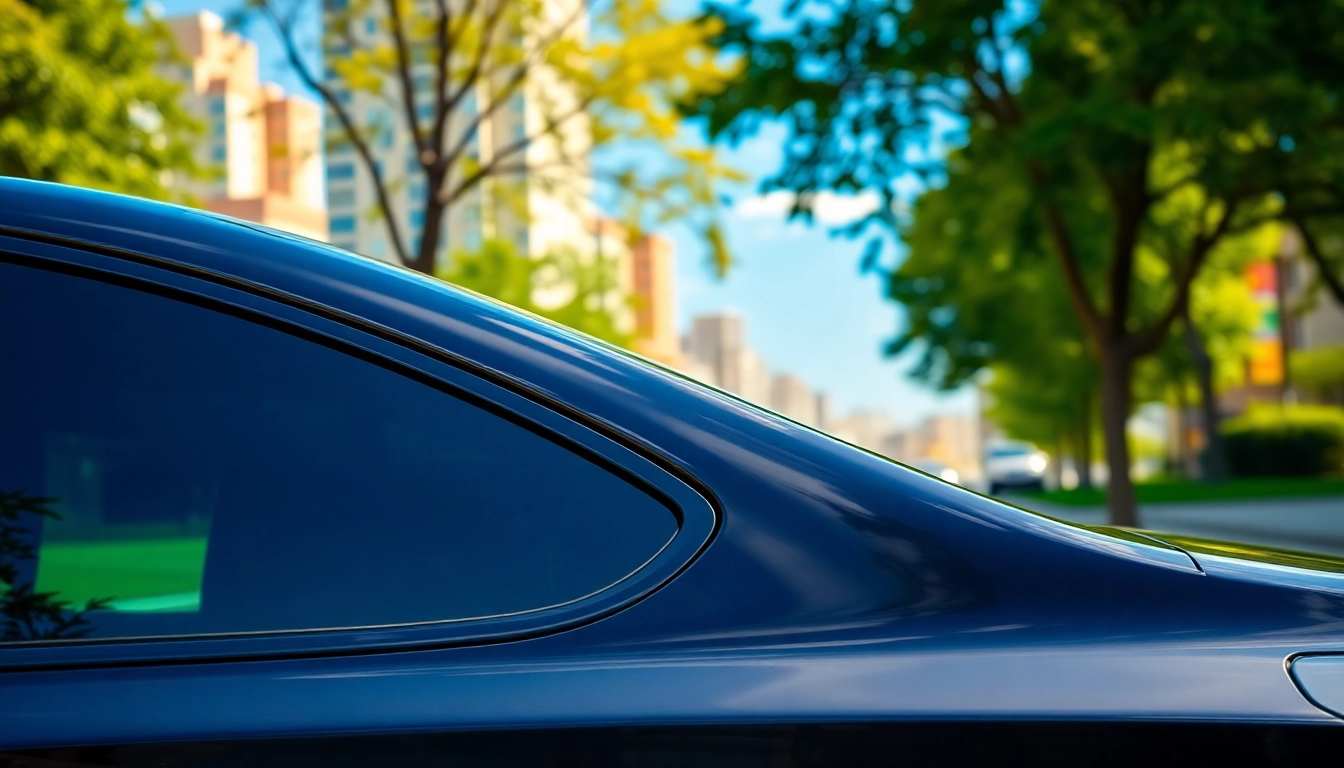
Understanding Window Tinting Basics
What is Window Tinting?
Window tinting is the process of applying a thin film to the windows of vehicles, homes, or commercial buildings to reduce glare, block UV rays, and enhance privacy. This film can come in various shades, colors, and materials, depending on the specific needs and aesthetics preferences of the user. The installation of window tint involves carefully cleaning the glass, measuring the windows, cutting the tint film accurately, and applying it using a special adhesive. Many consider this both a functional upgrade and a stylistic enhancement to their vehicles or properties.
Benefits of Window Tinting
Window tinting offers a variety of advantages, making it a popular choice for vehicle owners and property managers alike. Here are some notable benefits:
- UV Protection: Tinted windows can block up to 99% of harmful ultraviolet (UV) rays, protecting both your skin and the interior of your vehicle or home from fading.
- Heat Reduction: Window tints can help maintain a cooler interior by reflecting solar heat, thus reducing air conditioning costs and enhancing passenger comfort.
- Glare Reduction: Tints minimize glare from the sun and headlights, improving visibility and making driving less taxing on the eyes.
- Privacy: Tinted windows offer a level of privacy while still allowing natural light to filter in, making it harder for prying eyes to see inside.
- Enhanced Aesthetics: Aesthetically, window tinting can provide a sleek, sophisticated appearance that enhances the overall appeal of your vehicle or building.
Types of Window Tints Available
There are several types of window tints available, each offering different benefits and characteristics:
- Dyed Window Film: This basic film is designed to absorb heat and reduce glare. It is often used for aesthetic purposes and privacy but provides less UV protection compared to other options.
- Metalized Window Film: This film contains metal particles that reflect heat and provide additional strength to the glass. It effectively reduces glare and blocks UV rays, but it can interfere with GPS and cellphone signals.
- Carbon Window Film: This type of film offers excellent UV protection and heat rejection while maintaining a matte black finish, enhancing appearance without metal interference.
- Ceramic Window Film: A premium option, ceramic films are non-metallic and provide high levels of UV protection, heat reduction, and glare control without interfering with signals.
- Painted Window Film: Used primarily in commercial settings, this film is applied like paint. It's often used for decorative purposes and privacy without altering the look of the original window.
Finding Quality Window Tint Near Me
How to Research Local Providers
Finding a reliable provider for window tinting services is crucial for ensuring quality installation. Start by conducting an online search for “window tint near me.” This search will present local options, and you can refine those results by considering key factors like reviews, service offerings, years in business, and certification.
Evaluating Customer Reviews
Before making a decision, examine customer reviews on various platforms, including Google, Yelp, or specialized automotive forums. Pay attention to comments about installation quality, customer service, and long-term satisfaction. You might also want to look for before-and-after photos posted by previous customers, as these can provide visual proof of the quality of work to expect.
Getting Quotes and Comparing Prices
Once you have compiled a list of potential providers, reach out to them for quotes. A reputable provider should be willing to offer a transparent breakdown of costs, including materials and labor. Compare prices, but remember that the cheapest option isn’t always the best; consider the balance between affordability and quality of service.
Window Tint Laws and Regulations
Understanding Local Laws
Before installing window tint, it's essential to familiarize yourself with local laws regarding window tinting. Legislation varies by state or locality in terms of allowable tint percentages, which determine how much light can pass through your windows. Review your state's regulations to ensure compliance and avoid potential fines or legal issues.
How to Ensure Compliance
To ensure the window tinting complies with local laws, look for certified providers who understand these regulations. Ask them about their compliance practices and for documentation to confirm that the tint you’ve selected meets state requirements. Additionally, before installation, check if the local authorities require any specific permits or inspections.
Consequences of Non-Compliance
Installing non-compliant window tint can lead to significant consequences. These may include fines, removal of the film, and an increase in insurance premiums. Additionally, non-compliance could compromise your safety and visibility while driving, increasing the risk of accidents. Therefore, always prioritize following legal guidelines when considering window tint options.
Installation Process of Window Tinting
Steps in Professional Installation
The installation of window tinting should be undertaken by a qualified professional to ensure quality and compliance. The process typically includes the following steps:
- Preparation: The glass surfaces are thoroughly cleaned to remove any dirt, grease, or previous film remnants.
- Measuring: Accurate measurements are taken to cut the tint film to fit each window appropriately.
- Applying Adhesive: If using a non-static film, an adhesive is applied to ensure the film adheres securely to the glass.
- Positioning Film: The tinted film is carefully laid onto the glass, ensuring no bubbles or imperfections.
- Finishing Touches: Any excess film is trimmed, and heat is applied to ensure proper adhesion and finish.
DIY Window Tinting: Pros and Cons
While many prefer professional installation, some may consider DIY window tinting. The benefits of a DIY approach include cost savings and flexibility in choosing time for installation. However, it carries risks such as potential application errors, lack of warranty, and often sub-par results. If not correctly done, DIY installations can lead to bubbles, peeling, or legal issues due to improper compliance.
Common Mistakes to Avoid
Several mistakes can undermine the effectiveness of window tinting if not addressed:
- Skipping Cleanliness: Always ensure the glass surface is spotless; dirt will lead to bubbles.
- Ignoring Manufacturer Instructions: Each product comes with its guidelines that should be followed meticulously.
- Choosing the Wrong Tint: Some users select tint without fully understanding local laws or personal needs, leading to poor outcomes.
Maintaining Tinted Windows
Cleaning and Care Tips
Proper maintenance is essential to extend the life and effectiveness of your window tint. Use non-ammonia-based cleaners and soft cloths rather than abrasive materials, which can scratch the film. Regular cleaning can prevent build-up that might degrade the tint’s appearance over time.
Recognizing When to Replace Tint
Over time, even the best window tints may show signs of wear, such as bubbling, peeling, or discoloration. If the film begins to obstruct your vision or looks uneven, it may be time to consider a replacement. Regular inspections can help ensure your tint remains effective and compliant with local laws.
Long-Term Benefits of Proper Maintenance
Maintaining your window tint can provide long-term benefits, including consistent UV protection, reduced fading of interiors, and sustained aesthetic appeal. Appropriate care helps preserve the tint's functionality and ensures you reap the benefits of your investment over its lifespan.
Frequently Asked Questions
What is the average cost of window tinting?
The average cost for window tinting varies based on vehicle size and tint type, typically ranging from $100 to $400.
Can I install window tint myself?
While DIY installation is possible, it may lead to inferior results and complications. Professional installation is generally recommended.
How long does window tint last?
Quality window tint can last anywhere from 5 to 15 years, depending on exposure, material quality, and maintenance.
Are there any legal restrictions on window tint?
Yes, laws vary by location regarding allowable tint percentages. Always check local regulations to ensure compliance.
Can tinted windows reduce heat inside my car?
Absolutely! Tinted windows can significantly reduce heat, leading to increased comfort and lower air conditioning usage.