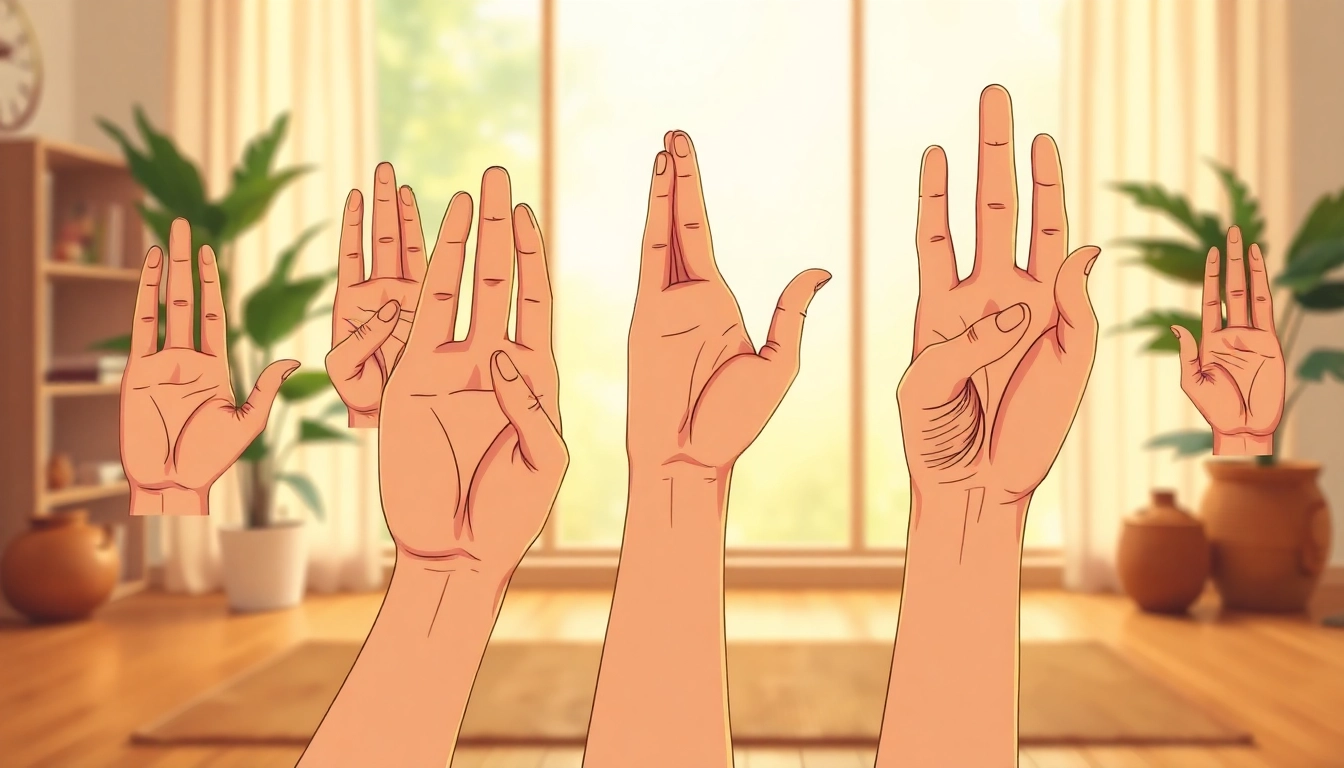
Understanding Yoga Mudras
Definition and Origin of Yoga Mudras
Yoga mudras are intricate hand gestures imbued with symbolic meanings, significance, and purposes in various traditions, most notably within the practices of yoga and meditation. The term "mudra" is derived from Sanskrit, a classical language of India, which translates to "gesture" or "seal." The use of yoga mudras dates back thousands of years and can be traced to ancient spiritual texts and practices, where they were incorporated into rituals, meditation, and healing practices. The primary purpose of these gestures is to connect the physical and spiritual aspects of the practitioner, harnessing energy flow through the body and creating a deeper interaction between the mind, body, and spirit.
Different Types of Yoga Mudras
Yoga mudras can be categorized into several distinct types, each with its unique functions and benefits. The primary classifications include:
- Hand Mudras: The most common form involving the positioning of the hands and fingers to channel energy and aid concentration, often performed during meditation.
- Body Mudras: These involve the entire body and can include specific postures that assist in aligning the body and spirit, such as the Padmasana (lotus position).
- Vocal Mudras: In certain practices, specific sounds or chantings can augment the effects of physical gestures.
The Philosophy Behind Yoga Mudras
The philosophy of yoga mudras is rooted in the belief that each finger represents one of the five elements: thumb (fire), index finger (air), middle finger (space), ring finger (earth), and little finger (water). By combining these elements through various gestures, practitioners can channel their energy, enhance focus, and deepen their meditation. In essence, these gestures serve as conduits, bridging personal energy with the cosmos, thereby transcending physical limitations to establish a holistic sense of being.
Benefits of Practicing Yoga Mudras
Psychological Benefits of Yoga Mudras
Practicing yoga mudras can significantly impact mental well-being. They are known to enhance concentration, foster a sense of peace, and reduce anxiety. Specific mudras can evoke particular emotional states or shifts, aiding practitioners in maintaining equanimity in the face of challenges. For instance, the Yoga mudras like the Jnana Mudra, characterized by the thumb and index finger touching, is often used to improve cognitive function and inspire clarity of thought, while the Anahata Mudra, associated with the heart chakra, encourages emotional healing and self-love.
Physical Health Benefits of Yoga Mudras
Yoga mudras also offer various physical health benefits. The deliberate positioning of fingers and hands can improve circulation, alleviate tension, and boost overall energy levels. For example, the Prana Mudra, where the tips of the thumb, ring finger, and little finger touch, is believed to activate dormant energy and invigorate the body, enhancing vitality. Regular practice of mudras can also lead to improved digestion and alleviate symptoms of respiratory issues, linking the practice to traditional Ayurveda and its understanding of energy flow in the body.
Spiritual Benefits of Yoga Mudras
On a spiritual level, yoga mudras are powerful tools for enhancing meditation practice and cultivating a connection with inner self. They can intensify spiritual experiences and facilitate profound insights during meditation sessions. The connection between mudras and spiritual awakening is significant, as practices like the Shambhavi Mudra, which involves gazing at the third eye, promote inward reflection and awareness, creating pathways for personal growth and enlightenment.
How to Perform Common Yoga Mudras
Step-by-Step Guide to Essential Yoga Mudras
Below are some common yoga mudras along with their step-by-step instructions:
- Sit comfortably in a meditative posture.
- Place your hands on your knees, palms facing upward.
- Touch the tip of your index finger to the tip of your thumb while keeping the other fingers extended.
- Focus on breathing deeply and maintaining a serene state of mind.
- Begin by standing or sitting comfortably.
- Bring your palms together in front of your heart center.
- Keep your elbows slightly bent and hold the gesture with intention.
- Close your eyes and focus on your heart space, breathing rhythmically.
- Place your hands on your thighs or knees in a comfortable position.
- Join the tips of your thumb with the tips of your ring and little fingers while keeping the other two fingers extended.
- Close your eyes, breathe deeply, and visualize energy flowing through your body.
Tips for Practicing Yoga Mudras
To effectively incorporate yoga mudras into your practice, consider the following tips:
- Practice regularly and consistently to experience the cumulative benefits of mudras.
- Combine mudras with deep breathing techniques to enhance their effectiveness.
- Set a specific intention for your practice, which can deepen the experience and focus your energy.
- Find a quiet and peaceful environment to facilitate concentration and minimize distractions.
Common Mistakes to Avoid with Yoga Mudras
When practicing yoga mudras, it's essential to avoid common pitfalls that can hinder your progress:
- Rushing the Practice: Take your time to establish the correct posture and hand placements.
- Neglecting Comfort: Ensure your body is adequately supported and relaxed to prevent tension.
- Ignoring Feelings: Pay attention to your emotional state and any physical sensations that arise during practice.
Integrating Yoga Mudras Into Your Daily Practice
When and Where to Practice Yoga Mudras
The beauty of yoga mudras is their versatility; they can be practiced almost anywhere and at any time. Whether during your morning meditation, in a quiet moment at work, or even while commuting, each opportunity can be transformed into a mindful moment. To benefit the most, aim to integrate mudras into your daily routine. Even as simple as using a mudra while waiting in line can cultivate a sense of calm and presence.
Combining Yoga Mudras with Other Techniques
Yoga mudras can be effectively combined with various yoga practices and techniques to deepen their impact. For instance, pairing mudras with breathing exercises (pranayama) can enhance energy flow and promote relaxation. Similarly, integrating mudras with visualizations or affirmations can elevate your meditation practice, resulting in greater clarity and purpose.
Creating a Personal Yoga Mudra Practice Routine
To establish a personal routine that resonates with your lifestyle and goals, consider the following steps:
- Choose a few mudras that resonate with your intentions.
- Set aside dedicated time each day for practice.
- Curate a calming environment that supports your practice.
- Keep a journal to reflect on your experiences and any shifts you notice.
Exploring Advanced Yoga Mudras
Advanced Yoga Mudras for Experienced Practitioners
As practitioners advance in their understanding of yoga mudras, they can explore more complex gestures that deepen their practice. Some advanced mudras include:
- Shambhavi Mudra: Involves gazing at the third eye while maintaining focus and stillness in the body.
- Chin Mudra: Engaging the index finger with the thumb while stretching other fingers, serving to balance the elements in the body.
The Role of Intention in Advanced Yoga Mudras
Intention is critical when exploring advanced yoga mudras. Unlike basic gestures, advanced practices require a deeper connection to one's purpose and spiritual journey. Recognizing your intentions can transform a simple mudra into a profound practice, aiding in healing and personal transformation.
Case Studies: Effects of Advanced Yoga Mudras
Numerous practitioners have reported significant changes through the consistent practice of advanced yoga mudras. Case studies indicate enhancements in mental clarity, emotional balance, and a greater sense of connectivity to the universe. These transformations often stem from the synergy of intention and the body's energy flow, which advanced mudras actively cultivate.