

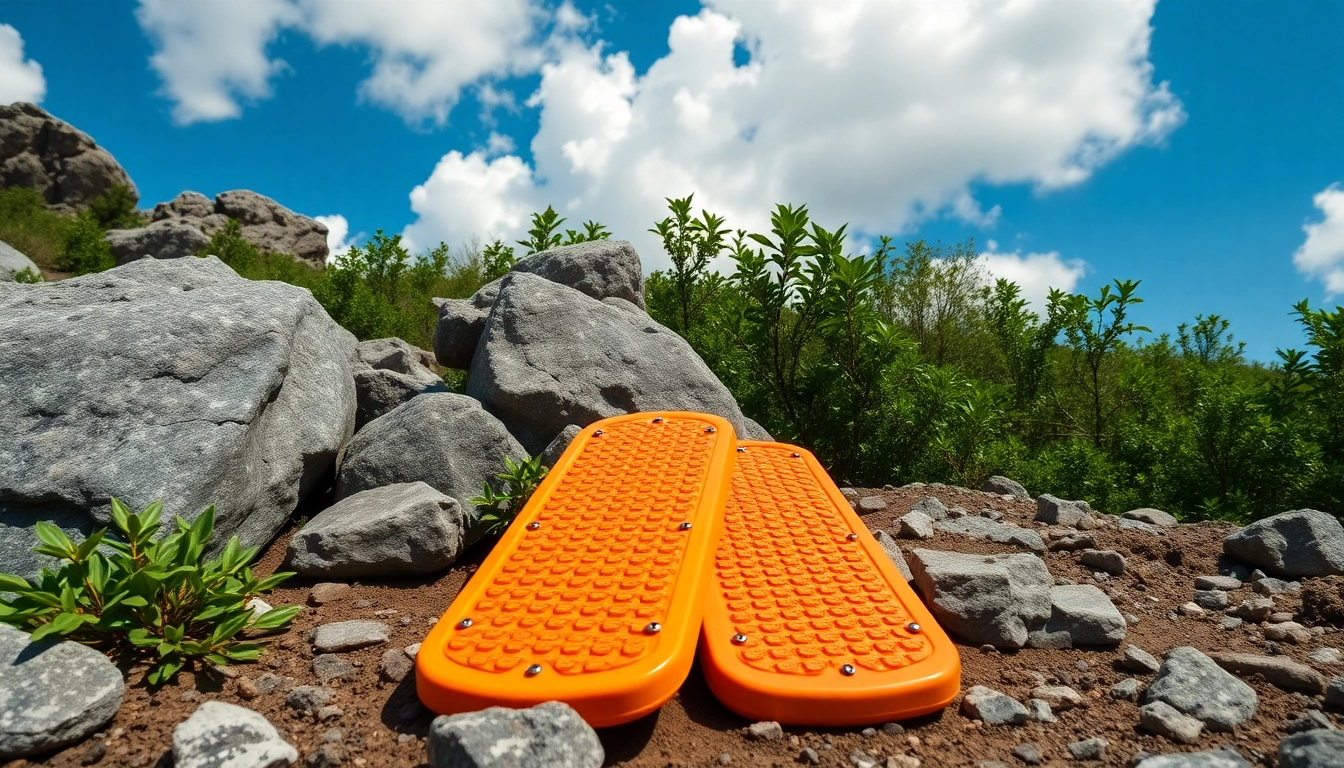
Understanding Traction Boards and Their Benefits
What Are Traction Boards?
Traction Boards are essential recovery tools designed to enhance the traction of vehicles stuck in challenging terrains, such as mud, sand, or snow. Usually made from durable materials like high-density polyethylene or reinforced composites, these boards provide a stable and grip-enhancing surface for tires to regain their footing. They come in various lengths and designs, ensuring that users can select the right type based on their vehicle size and specific off-road conditions.
Benefits of Using Traction Boards
The benefits of using Traction Boards are manifold. Primarily, they prevent the frustration and delay associated with getting a vehicle unstuck, thus enhancing the overall off-roading experience. They eliminate the need for labor-intensive recovery techniques involving winches or shovels. Additionally, they are lightweight and portable, making them easy to transport without taking up excessive space. Perhaps most importantly, they provide a sense of security for adventurous drivers by ensuring that they can venture into remote areas with the confidence that they can navigate difficult situations. A good pair of Traction Boards means less time stuck and more time enjoying your ride.
Key Features to Look For
When selecting Traction Boards, consider several key features that can significantly affect their performance:
- Material: Look for durable, lightweight materials that can withstand harsh weather and terrains.
- Size: Ensure the boards are long and wide enough for your vehicle’s tires.
- Teeth/Grip Patterns: Opt for boards with effective grip patterns designed to maximize traction.
- Storage Options: Many models offer built-in handles or holes for easy storage and transport.
- Weight Capacity: Check weights that the traction boards can support, particularly for heavier vehicles.
How to Use Traction Boards Effectively
Step-by-Step Guide for Setup
Using Traction Boards effectively is an essential skill for any off-roader. Here’s a step-by-step guide to their setup:
- Assess the Situation: Before you act, evaluate the ground and the condition your vehicle is in. Is it just one tire that’s stuck or all four?
- Position the Boards: Place the Traction Boards in front of the stuck tires. Ensure they are correctly aligned and not tilted.
- Drive onto the Boards: Slowly reverse or drive forward onto the boards. Apply steady pressure on the accelerator to avoid spinning your tires.
- Retrieve the Boards: Once your vehicle is free, carefully remove the boards, clean them, and store them back in your vehicle for future use.
Best Practices for Maximizing Effectiveness
To ensure maximum effectiveness of your Traction Boards, keep these best practices in mind:
- Always carry two sets of Traction Boards for enhanced recovery ability.
- Use them in pairs; this helps increase the likelihood of your vehicle gaining traction.
- Avoid spinning your wheels excessively as this may embed your tires deeper.
- Ensure the boards are flat and properly positioned before attempting to drive over them.
Common Mistakes to Avoid
While using Traction Boards is relatively straightforward, several common mistakes can hinder effectiveness:
- Incorrect Placement: Placing the boards too far in front or behind the tires can lead to failure.
- Over-driving: Speeding while trying to use the boards can cause loss of control.
- Neglecting Terrain Assessment: Not assessing the difficulty of the terrain can lead to unsuitable board usage.
- Ignoring Vehicle Weight: Underestimating the weight of your vehicle can lead to selecting inappropriate boards.
Choosing the Right Traction Boards for Your Vehicle
Consider Your Vehicle Type
Different vehicles have varying requirements when it comes to Traction Boards. For example, lighter vehicles such as SUVs may require boards that are compact yet durable, while heavier trucks might need larger and sturdier boards capable of supporting significant weight. Understanding your vehicle’s specifications is critical in ensuring you don’t end up with boards that can’t handle the task.
Material and Durability Factors
Material choice is crucial for the performance of Traction Boards. Boards made from high-density polyethylene are popular due to their resilience and light weight, while those that utilize reinforced composites offer enhanced durability but may be heavier. Must also consider UV resistance and temp tolerance; boards that can withstand hot sun and freezing environments will serve you better in varied climates.
Size and Weight Considerations
Size and weight can greatly affect ease of handling and storage. Larger boards can provide more surface area, enhancing their effectiveness, but they need to be manageable. Look for boards that balance size and weight for easy transport and functionality. Additionally, consider having boards specifically designed for your tire size and off-roading needs for optimal results.
Maintenance and Care for Traction Boards
Cleaning and Storage Tips
Proper maintenance will extend the lifespan of your Traction Boards. After each use, clean them with soap and water, removing mud, sand, and debris. Once dry, store them in a cool, dry place in your vehicle, ideally in a dedicated storage pouch to prevent damage.
Identifying Wear and Tear
Regularly inspect your Traction Boards for signs of wear, such as cracks or chipped edges, which can compromise their function. If you notice deformation or deterioration in grip patterns, it may be time to replace them. Ensuring your boards are in top shape directly correlates with recovery success.
Long-Term Care Recommendations
To ensure the longevity of your Traction Boards, limit exposure to extreme temperatures and UV light, which can degrade plastics over time. Additionally, avoid using them on surfaces where they might get permanently damaged. It’s a good practice to have a secondary set for varying terrains to minimize wear on your primary boards.
Frequently Asked Questions about Traction Boards
What conditions do traction boards work best in?
Traction Boards are most effective in loose surfaces, such as mud, sand, and snow, where wheels struggle to gain traction.
How do I store my traction boards properly?
Store your traction boards in a cool, dry place, free from extreme temperatures and direct sunlight, ideally in a designated storage pouch in your vehicle.
Are traction boards compatible with all vehicles?
Most traction boards can be used with a wide range of vehicles, but it’s essential to consider vehicle weight and tire size for optimal performance.
Can I use traction boards in snow and mud?
Yes, traction boards are specifically designed for snowy and muddy conditions, aiding in vehicle recovery on these challenging surfaces.
How do I clean my traction boards after use?
After use, clean your traction boards with soap and water to remove dirt and debris, then allow them to dry before storage.


