
Understanding Common Washing Machine Issues
Identifying Symptoms of Faulty Machines
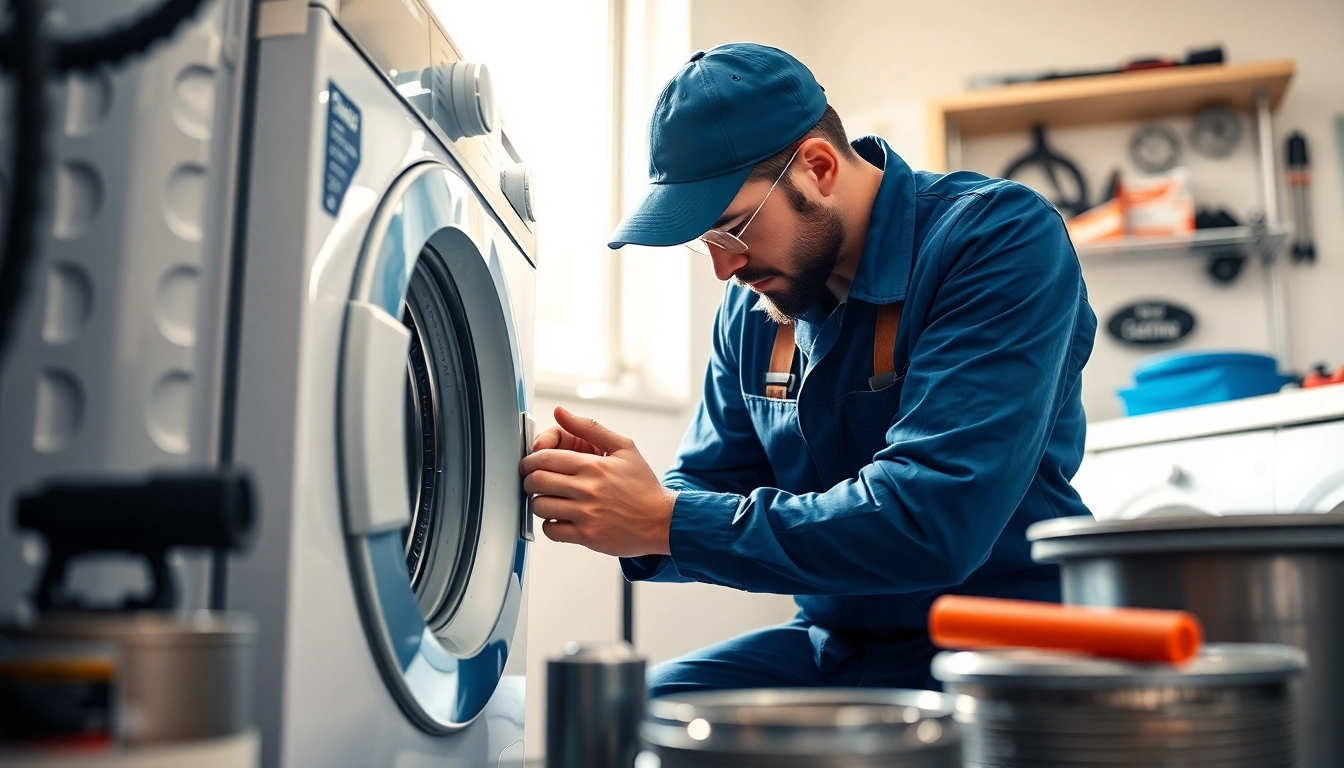
Washing machines are essential appliances in our homes, but like any mechanical device, they are prone to issues. Recognizing the symptoms of a faulty washing machine is the first step towards fixing it. Common indicators include vibrations, irregular noises like banging or grinding, water leaks, failure to spin or drain, and error messages on digital displays. Observing these signs early can save you from more severe problems later. It’s advisable to address these issues promptly, as neglecting them can lead to expensive repairs or replacement.
Top Causes of Washing Machine Failures
Several factors can contribute to the breakdown of washing machines. Some of the top causes include:
- Clogged Hoses: Over time, detergent and fabric softener can accumulate in the hoses, reducing water flow.
- Faulty Pump: The pump is responsible for draining water from the machine. If it fails, water will not drain properly.
- Broken Drive Belt: This belt connects the motor to the drum. A broken belt will prevent the drum from spinning.
- Electrical Issues: Faulty wiring or issues with the control board can lead to malfunctioning buttons and settings.
- Mechanical Failures: Wear and tear on mechanical components can lead to breakdowns.
Safety Precautions During Repairs
Safety should always be your priority when attempting to fix washing machine issues. Here are some critical safety precautions to follow:
- Unplug the machine before starting any repairs to prevent electric shock.
- Wear safety glasses to protect your eyes from debris.
- Limit the use of loose clothing that could get caught in moving parts.
- Ensure you have a good lighting source to clearly see what you are working on.
- Consult the user manual for safety specifications and guidelines.
Tools Required to Fix Washing Machines
Essential Hand Tools for Repair
Having the right tools on hand is crucial for effectively fix washing machine problems. Essential hand tools include:
- Screwdrivers: A set of Philips and flathead screwdrivers will be necessary for removing access panels.
- Pliers: Used for gripping and twisting wires or hoses.
- Wrenches: Adjustable wrenches help in loosening and tightening nuts and bolts on the machine.
- Utility Knife: Useful for cutting through electrical tape or zip ties.
- Torx Bits: Some models have screws that require specialized bits.
Specialized Equipment for Advanced Fixes
Some issues may require more specialized equipment. Consider having the following on hand for advanced repairs:
- Multimeter: Essential for diagnosing electrical issues. It measures voltage, current, and resistance.
- Socket Set: Useful for reaching tight spaces and making precise adjustments.
- Drill with Bits: Helpful if you need to remove stubborn screws or make new pilot holes.
Where to Source Reliable Parts
When it comes to repairing your washing machine, sourcing reliable parts is crucial. You can find parts through the following avenues:
- Manufacturer’s Website: Direct source for original parts ensures compatibility.
- Local Appliance Parts Store: Great for immediate needs and knowledgeable staff assistance.
- Online Retailers: Websites often offer a wide selection at competitive prices, but ensure reliability by checking reviews.
Step-by-Step Guide to Fix Washing Machines
Troubleshooting Common Problems
Troubleshooting is often the first step in fixing a washing machine. Start by determining the symptoms:
- Identify the Issue: Note the symptoms you’ve observed (e.g., water not draining).
- Check the Basics: Ensure the machine is plugged in and that fuses are functional.
- Inspect Hoses: Look for blockages or kinks in the hoses connecting to the machine.
- Run Diagnostic Tests: Some models have self-diagnostic features. Use them to pinpoint errors.
Repairing Electrical Issues
Electrical issues in washing machines often manifest as malfunctioning controls or failure to power up. To repair these:
- Disconnect the power supply.
- Use a multimeter to check the continuity of wires and components.
- Inspect for burned-out fuses or tripped circuit breakers.
- Replace faulty wiring or components as needed.
Addressing Mechanical Failures
Mechanical failures can result in a range of problems from no spin to loud noises. Follow these steps to address them:
- Unplug the machine and remove the back panel to access internal components.
- Examine the drive belt for wear; replace it if it’s frayed or broken.
- Check the motor for burning smells; replace if necessary.
- Inspect bearings or drum supports if you hear unusual noises during operation.
Preventative Maintenance Strategies
Routine Checks to Avoid Future Issues
Preventative maintenance can dramatically reduce the likelihood of encountering issues. Here are some recommended checks:
- Inspect Hoses and Connections: Regularly check for signs of wear or leaks.
- Clean Filters: Maintain cleanliness by removing lint and debris from filters and dispensers.
- Level the Machine: Ensure your washing machine is properly leveled to avoid vibrations and damage.
Best Practices for Machine Care
Adopting best practices can help extend the lifespan of your washing machine:
- Use the Right Detergent: Always use high-efficiency detergent as recommended by the manufacturer.
- Avoid Overloading: Follow load capacities to prevent strain on the machine.
- Leave the Door Open: Allow the drum to dry and prevent mildew buildup.
Leveraging Technology for Maintenance
Modern technology offers numerous tools that can aid in managing washing machine care:
- Smart Sensors: Some washers come equipped with sensors for load adjustment and water usage.
- Diagnostic Apps: Utilize mobile apps that assist in troubleshooting issues.
- Regular Software Updates: Keep machines updated for optimal performance.
FAQs on Fix Washing Machines
What are the most common signs that my washing machine is broken?
Common signs include strange noises, leaking water, failure to spin or drain, and error messages on digital displays. Regular checks can prevent issues.
Can I fix my washing machine by myself?
Yes, many washing machine problems can be fixed by DIY methods, provided you have the right tools and take necessary precautions to avoid injury.
What tools do I need to fix my washing machine?
Basic hand tools such as screwdrivers, pliers, and wrenches are essential, along with specialized tools like a multimeter for electrical issues.
When should I call a professional to fix my washing machine?
If you encounter complex electrical issues or major mechanical failures, it’s advisable to seek professional help to ensure safety and proper repairs.
How can I prevent my washing machine from breaking down?
Regular maintenance, such as cleaning lint filters, checking hoses, and using the machine correctly, can significantly reduce breakdowns and prolong its life.