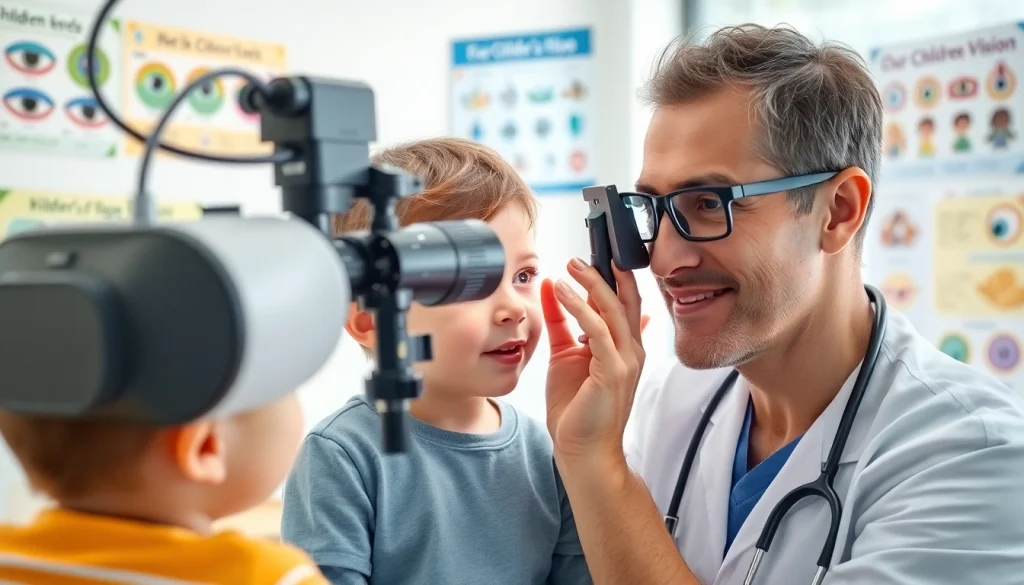
Understanding Our Children’s Vision Needs
The vision and eye health of children are critical aspects of their overall well-being. As parents, caregivers, and community members, we must prioritize timely interventions to safeguard children’s sight. The data shows that millions of children worldwide face vision impairment due to a lack of access to eye care services. To create a brighter future, we can start with initiatives like Our Children’s Vision, which plays an essential role in providing eye care for children in need.
The Importance of Early Eye Care
Early childhood is a critical time for visual development. Children’s eyes undergo significant changes from birth until the age of five, making regular eye examinations essential. Early detection of vision problems can prevent long-term issues and significantly enhance a child’s learning and development. Studies indicate that children with untreated vision issues may struggle academically and socially, underscoring the importance of vigilant eye care.
Common Eye Conditions in Children
Several eye conditions are prevalent among children, impacting their ability to see clearly. These include:
- Amblyopia (Lazy Eye): A condition where one eye doesn’t achieve normal visual acuity, often due to misalignment or a need for glasses.
- Strabismus (Crossed Eyes): A misalignment of the eyes that can lead to amblyopia if not treated.
- Refractive Errors: Conditions like nearsightedness, farsightedness, and astigmatism, leading to blurred vision.
- Conjunctivitis: Inflammation of the eye’s outer membrane, which can cause redness, itchiness, and discharge.
Recognizing these conditions early can significantly improve outcomes through prompt treatment such as glasses, vision therapy, or surgery when necessary.
Signs Your Child May Need Vision Care
Parents should be aware of several signs that indicate a child may require vision care. These include:
- Frequent squinting or tilting of the head.
- Difficulty reading the blackboard at school.
- Showing an unusual amount of eye rubbing.
- Avoiding activities that require distance vision, such as sports.
- Complaints of headaches or fatigue while reading or doing close work.
Regular surveillance for these signs can lead to earlier intervention, ensuring children receive the care they need to thrive.
Best Practices for Maintaining Eye Health
Strategies for maintaining children’s eye health involve regular check-ups, preventive measures, and education about good habits.
Regular Vision Check-Ups
Routine eye examinations should be a fundamental part of children’s healthcare. The American Academy of Ophthalmology suggests that children should have their first comprehensive eye exam at six months, another before starting school, and additional exams every two years thereafter. These check-ups not only screen for common issues but also establish a baseline for visual development, aiding in the detection of any new problems that may arise.
Encouraging Healthy Screen Habits
With the increasing use of technology among young children, it is crucial to foster healthy screen habits. The American Optometric Association recommends the 20-20-20 rule: every 20 minutes, children should take a 20-second break and look at something 20 feet away. Limiting screen time and promoting outdoor activities can help mitigate the risks associated with prolonged screen exposure.
Importance of UV Protection
Just as adults are advised to protect their eyes from the sun, children should be equally safeguarded. Exposure to ultraviolet (UV) rays can damage eyes and lead to conditions such as cataracts or macular degeneration later in life. Investing in quality sunglasses with UV protection and ensuring children wear hats while outdoors is essential for their long-term eye health.
Role of Parents in Eye Health
Parents play a pivotal role in promoting their children’s eye health through awareness and proactive measures.
Creating Awareness About Vision Issues
Parents can advocate for their children’s eye health by educating themselves about common vision issues and symptoms. For instance, understanding that many children may not recognize their own vision problems can empower parents to seek assistance proactively. Sharing knowledge with other parents, schools, and community organizations can help raise awareness about its critical nature, fostering a culture that prioritizes eye care in children.
How to Choose the Right Eye Care Specialist
Selecting the right eye care professional for children is an essential task for parents. It’s advisable to seek specialists who have experience in pediatric care, as they are more equipped to handle the unique aspects of children’s vision testing. Consider factors such as the specialist’s credentials, approach to child care, and the recommendations of other parents as you make this important choice.
Building a Supportive Environment for Eye Health
A supportive home environment that encourages good vision habits is vital. Simple measures such as providing adequate lighting while reading, ensuring comfortable viewing distances from screens, and encouraging breaks during prolonged focusing tasks can significantly enhance eye health. Additionally, engaging in discussions about eye safety and care can instill lasting habits in children.
Community Initiatives for Our Children’s Vision
Community support can play a significant role in ensuring children receive necessary eye care. Various initiatives can promote awareness and accessibility.
Local Programs Promoting Eye Health
Many communities have established programs aimed at promoting eye health among children. These may include school-based vision screenings, free eye exams, and educational workshops targeted at parents and teachers. Collaboration with local health organizations can help expand these offerings. By bringing free resources to low-income families, we can ensure that financial barriers do not prevent children from receiving essential eye care.
How Schools Can Support Eye Care Awareness
Schools are pivotal in monitoring and promoting eye health among students. Educators should be trained to recognize signs of vision issues and to refer children for eye exams when needed. Additionally, implementing health curricula that include lessons on eye care can empower children to take charge of their eye health, fostering lifelong habits.
Collaborating with Health Organizations
Collaboration with health organizations and optometry schools can lead to enhanced community outreach efforts. These partnerships enable organizations to leverage resources and expertise, developing comprehensive programs that provide education and services. Health fairs, vision screening events, and workshops can mobilize communities to ensure every child has the opportunity to achieve optimal eye health.
Evaluating Eye Health Interventions
Evaluating the effectiveness of eye health interventions ensures that the community is making strides toward better eye care for children. Establishing metrics and benchmarks can help organizations measure success and identify areas for improvement.
Monitoring Progress in Children’s Vision Health
It is essential to track and report metrics on children’s vision health within the community. This can include tracking screening rates, treatment adherence, and the prevalence of specific conditions. By collecting and analyzing data, stakeholders can assess the impact of their initiatives and adapt them as necessary to meet the community’s needs.
Adapting Eye Care Strategies as Children Grow
The eye care needs of children evolve as they grow, necessitating ongoing adjustments to treatment and prevention strategies. Regular follow-ups can ensure that the interventions remain relevant and effective throughout different developmental stages. Collaboration between parents, schools, and health professionals can help tailor care to meet the changing needs of children.
Identifying Long-Term Vision Care Needs
Identifying children who may require long-term vision care can lead to better outcomes in adulthood. Understanding the risk factors for vision impairment early allows communities to enact proactive policies and support systems. As children transition into adulthood, establishing a network of resources and support can facilitate ongoing eye health management, ensuring that they continue to thrive.