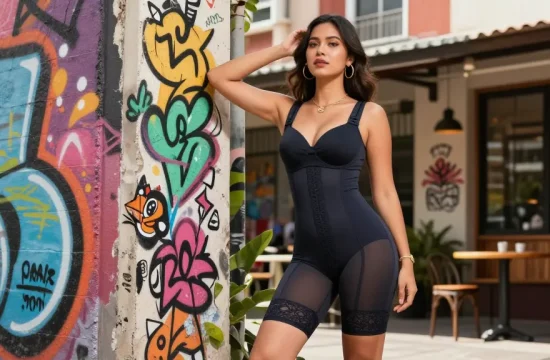

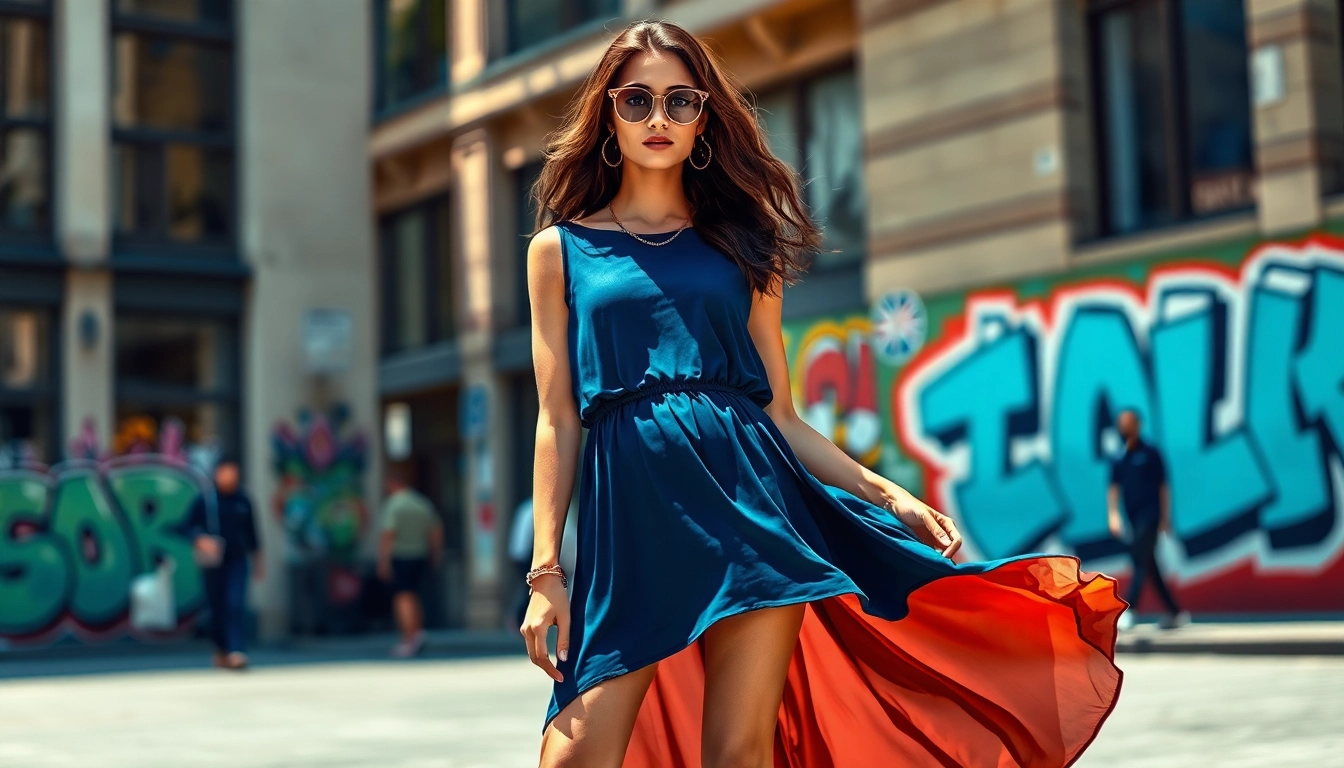
The Evolution of Fashion and Apparel
Historical Overview of Fashion Trends
The world of Fashion and Apparel has evolved dramatically over the centuries, influenced by various factors including culture, politics, and technology. Historically, fashion trends reflected the social and economic environment of the times. From the elaborate garments of the Renaissance era to the simple, functional attire of the Industrial Revolution, each period reveals how styles have shifted in response to societal changes.
During the Renaissance, fashion was a reflection of wealth and status. Rich fabrics, intricate designs, and layers were visibly showcased. By the time we reached the 19th century, fashion became more accessible, with the introduction of ready-to-wear clothing that catered to the burgeoning middle class. This marked a significant turning point where fashion could embody individual expression rather than just social rank.
Modern Influences on Apparel Styles
In contemporary society, fashion is influenced by a combination of global cultures, social movements, and technological advancements. The explosion of social media platforms has democratized fashion, making it available to a broader audience. Influencers and celebrities now play a pivotal role as trendsetters, making fashion more fluid and dynamic. Furthermore, streetwear, blending casual styles with high fashion, has reshaped what constitutes “apparel,” breaking traditional norms.
Additionally, sustainability has emerged as a crucial influence in modern fashion. Consumers are increasingly aware of the environmental impact of their choices, leading brands to adopt transparent and ethical practices. This shift signifies a growing demand for authenticity and responsibility in the fashion industry.
The Role of Technology in Fashion Revolution
Technology is at the forefront of the fashion transformation, offering unprecedented opportunities for innovation. E-commerce has revolutionized how consumers shop, while data analytics allows companies to understand trends and consumer behaviors more effectively. Today’s brands utilize AI-driven platforms to predict trends and optimize inventory.
Moreover, the rise of virtual fitting rooms and augmented reality apps enhances the online shopping experience, allowing consumers to visualize how clothing would look before making a purchase. Wearable technology, evidenced by smart clothing equipped with health-monitoring sensors, signifies that fashion is not just about aesthetics but also functionality.
Understanding Your Personal Style
Defining Your Fashion Identity
Your personal style is a unique expression of your taste, values, and lifestyle. Understanding your fashion identity involves reflecting on what makes you feel confident and comfortable. Start by assessing your wardrobe: what pieces do you wear most often? What colors and styles resonate with you? Creating a personal mood board or exploring fashion blogs can provide inspiration and clarify your aesthetic preferences.
Consider the context in which you will wear your outfits. Do you need professional attire for the office, or are you looking for casual wear for weekends? Defining your fashion identity is not only about what looks good but also what aligns with your life goals and daily activities.
Analyzing Body Types for Optimal Apparel Choices
Fashion is not one-size-fits-all, and understanding body types can dramatically enhance your clothing choices. Different silhouettes suit various shapes—pear, apple, hourglass, and rectangle—each requiring specific styles to accentuate strengths and minimize weaknesses. For example, A-line dresses flatter pear shapes by enhancing the waist while providing a flowing fit at the hips.
It’s equally important to identify fabric types and patterns that work best with your frame. Vertical stripes often give a lengthening effect, while darker colors can be slimming. The right fit and proportion can transform an outfit, allowing you to showcase your style confidently.
Seasonal Trends and Timeless Pieces
While seasonal trends come and go, timeless pieces form the backbone of a versatile wardrobe. Classic items, such as white shirts, tailored blazers, and little black dresses, serve as effective staples that can be paired with trendy accessories for a current look. Understanding how to marry trendy pieces with timeless staples can enhance your wardrobe’s longevity and functionality.
Seasonal changes also provide an opportunity to refresh your style. Stay informed about upcoming trends via fashion shows or online magazines, but be selective; not every trend will suit your personal style or body type. Make strategic decisions about what to invest in and how to incorporate these trends into your existing wardrobe.
Sustainable Practices in Fashion and Apparel
Eco-friendly Materials and Production
Sustainability in fashion is more than a trend; it’s a necessity. The industry significantly impacts the environment through resource consumption and waste generation. Brands are now turning to eco-friendly materials such as organic cotton, recycled polyester, and bamboo, which require less water and fewer chemicals to produce. Innovative production methods, like zero-waste pattern cutting, aim to minimize fabric waste during garment creation.
Moreover, upcycling and recycling clothing can extend the lifecycle of garments. Consumers can participate in sustainable fashion by choosing second-hand items or supporting brands with a dedication to ethical practices. Understanding the product lifecycle—from production to post-consumer waste—empowers consumers to make informed choices.
Conscious Consumption: What You Can Do
As consumers, you can significantly influence the fashion sustainability movement. Start by evaluating your purchasing habits: consider the quality, durability, and necessity of each item before buying. Implement a 30-day rule before making impulsive purchases; this allows time to assess whether the item fits into your wardrobe sustainably.
Engage in clothing swaps with friends or at community events to refresh your wardrobe without buying new clothes. Additionally, research brands committed to sustainable practices and choose to support those that align with your values. Every small action contributes to a larger impact on the environment.
The Impact of Fast Fashion on the Environment
Fast fashion has redefined the consumption model of clothing, promoting a cycle of buying and discarding garments with alarming frequency. This practice has severe environmental repercussions, from water wastage to landfill overflow. The synthetic materials commonly used in fast fashion contribute substantially to microplastic pollution, affecting marine life and ecosystems.
Understanding the consequences of fast fashion prompts a shift in consumer behavior. By recognizing the true cost of cheap garments, individuals can advocate for a more sustainable wardrobe, encouraging brands to prioritize ethical production over mass production.
Accessorizing Your Fashion and Apparel
Finding the Right Accessories for Any Outfit
Accessories serve as the finishing touches that define your outfit. Jewels, scarves, bags, and hats can transform a simple ensemble into a statement look. When accessorizing, consider the balance between complementing and contrasting elements.
For example, pairing bold jewelry with a basic outfit can evoke sophistication without overwhelming the viewer. Similarly, coordinating colors can create a harmonious look. Accessory choices should reflect your personal style while enhancing the overall narrative of your fashion statement.
The Importance of Footwear in Fashion
Footwear can make or break an outfit. Shoes not only serve practical purposes but also express individual style. The right pair can elevate a casual outfit or lend elegance to formal attire. When selecting footwear, consider the occasion and comfort level. Comfort does not have to sacrifice style; options like designer sneakers now blend both effortlessly.
Understanding how to style different types of footwear—boots for an edgy look, loafers for professionalism, or sandals for leisure—adds versatility to your wardrobe. Experimenting with various footwear can introduce new dynamics to your aesthetic.
Layering Techniques for Complete Looks
Layering is an art that allows for creative expression while providing functionality. Mastering layering techniques can create depth in your style, adapt to changing temperatures, and enhance your silhouette. Start with a base layer, like a fitted tank or t-shirt, and build upon it with varying textures and lengths.
Playing with proportions—such as pairing a long cardigan with a shorter dress—adds interest. Additionally, layering can serve practical purposes, including the ability to remove items as necessary for both comfort and style. Each layer contributes to the overall aesthetic, making thoughtful combinations essential.
Shopping for Fashion and Apparel: Tips and Tricks
Navigating Online vs. In-Store Shopping
Shopping for fashion has evolved, presenting options for both online and in-person experiences. Online shopping offers convenience and often a broader selection, while in-store shopping allows for the tactile experience of trying on clothes. When shopping online, research sizing charts and read reviews to mitigate the risk of purchasing items that don’t meet expectations.
Conversely, in-store shopping allows immediate gratification but requires time and effort to navigate different retailers. Opt for stores that align with your personal style to enhance efficiency. Creating a shopping list can streamline the process and prevent impulse buys.
Identifying Quality Fabrics and Construction
Quality is paramount in apparel, influencing both longevity and appearance. To identify high-quality fabrics, familiarize yourself with textile types: natural fibers such as cotton and linen often provide durability and breathability compared to synthetic materials. Look for garments with even seams, well-placed zippers, and reinforced stitching, as these indicate better craftsmanship.
Understanding care instructions can also indicate quality. Fabrics that require specialized cleaning processes may signify a need for more delicate handling and care, which should factor into purchasing decisions.
How to Spot a Good Deal: Sales and Bargains
Shopping smartly requires an understanding of pricing structures and timing. Seasonal sales provide opportunities for significant savings, yet understanding retail trends—such as sales tied to holidays—can enhance your savings. Additionally, utilizing loyalty programs and digital coupons can further reduce costs.
Researching items for price history can help shoppers recognize genuine deals versus inflated prices disguised as discounts. Being patient and strategic can take the stress out of bargain hunting and lead to a more fulfilling shopping experience.
FAQs
What is the best way to define my personal style?
Begin by evaluating your current wardrobe, identifying the pieces you love, and creating a mood board for inspiration. Reflect on your lifestyle and select styles that resonate with you.
How can I shop sustainably?
Choose eco-friendly brands, opt for second-hand clothing, and practice conscious consumption by assessing needs before purchases. Participate in clothing swaps or buy timeless pieces.
What accessories are essential for a versatile wardrobe?
Invest in classic jewelry, a stylish handbag, and seasonal scarves. Functional pieces like sunglasses and hats can also enhance your outfits throughout the year.
Are there quick tips for online shopping?
Research size charts, read customer reviews, and check return policies. Use filters to customize searches based on your style and budget effectively.
How do I know if clothing is of good quality?
Look at the fabric type, check for even seams and solid construction. Additionally, consider care labels that indicate durability over time.