What is a Second Hand Clothing Store?
Definition and Overview
A Second hand clothing store is a retail establishment that sells pre-owned apparel, often at reduced prices compared to new garments. These stores collect clothing donations directly from individuals or sometimes purchase them from other retailers. The variety found in these shops can range from everyday basics to unique vintage pieces that are hard to find in conventional retail settings.
Benefits of Shopping Second Hand
Shopping at a second-hand clothing store comes with numerous benefits. Firstly, it is an eco-friendly practice as it promotes recycling and helps reduce textile waste. By choosing to buy second-hand, consumers contribute to a more sustainable fashion industry, helping to combat pollution and resource depletion associated with new clothing production.
Secondly, financial advantages are clear as second-hand clothing is generally priced lower than new items. This allows consumers to stretch their budget further, often enabling them to purchase higher-quality brands or more items for the same amount of money.
Finally, second-hand clothing stores often carry unique items that are unavailable in mainstream retail, allowing fashion enthusiasts to express their personal style without conforming to current trends.
What to Expect When Visiting
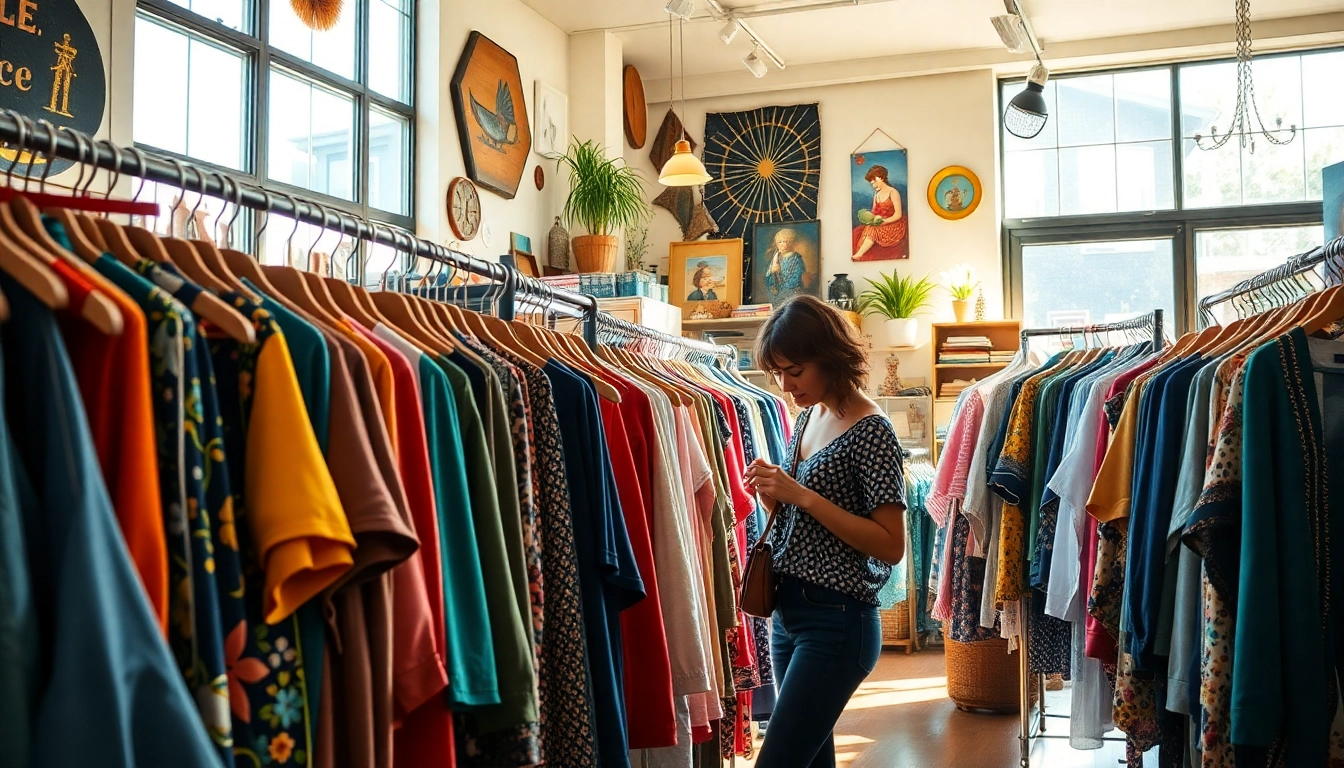
When visiting a second-hand clothing store, customers should prepare themselves for a treasure hunt experience. The layout may be less structured compared to traditional stores, and items can be organized by category, size, or even color—depending on the store’s practices. Shoppers are encouraged to take their time exploring racks, checking tags, and trying items on.
Staff members are often knowledgeable about the inventory and can assist in finding specific items. Additionally, many stores host sales or themed events, which can be a fun way to discover new styles while enjoying the shopping experience.
The Rise in Popularity of Second Hand Clothing
Environmental Benefits
The environmental impact of second-hand clothing is profound. The fashion industry is one of the largest polluters globally, contributing significantly to water waste and chemical usage. By opting for used garments, shoppers help reduce the demand for new production, thus lowering overall waste. Furthermore, vintage and second-hand items are often made with higher quality materials designed to last, contributing to a more sustainable consumption model.
Economic Advantages
In a world that increasingly feels the pinch of economic fluctuations, second-hand stores offer a viable solution for budget-conscious consumers. They provide access to desirable brands for a fraction of the original price. Many individuals are finding that they can build impressive wardrobes without the hefty price tag attached to purchasing new clothes. In turn, this encourages consumers to invest more thoughtfully in their clothing choices.
Fashion Trends Influencing Resale
In recent years, fashion trends have increasingly leaned towards individuality and sustainability, fostering a robust second-hand market. The rise of street style and vintage aesthetics has propelled interest in thrift shopping. Social media platforms, especially Instagram and TikTok, have played a crucial role in showcasing unique thrift finds, influencing a younger generation to embrace second-hand shopping as not just economical but stylish. These platforms have made it easier for individuals to share their purchases, inspiring others to seek out their own unique pieces.
How to Shop Smart at a Second Hand Clothing Store
Finding Quality Pieces
When shopping at a second-hand clothing store, discerning quality is crucial. Look for well-made items that have minimal wear; inspect garments for loose seams, stains, and fabric integrity. High-quality brands often use better materials and construction, which can ensure longevity. Always check the label to determine the fabric content; natural fibers like cotton, wool, and silk tend to wear better and can often withstand the test of time.
Tips for Bargain Hunting
Bargain hunting is part of the thrill of shopping second-hand. One effective strategy is to visit the store frequently, as inventory changes regularly. Know the store’s sale days; many second-hand shops offer discounts on specific days or for certain items. Additionally, developing relationships with store staff frequently leads to insights about upcoming sales or freshly donated items that may be of interest.
Making the Most of Your Visit
A little preparation can lead to a more successful shopping trip. Have a list of items you need to avoid being overwhelmed by the choices available. Wear comfortable clothing for trying things on and consider bringing reusable shopping bags to reduce plastic waste. Lastly, engage with the store staff; they can offer insights that might lead you to hidden treasures in the shop.
Care and Maintenance of Second Hand Fashion
Cleaning Vintage Garments
Proper cleaning is vital for maintaining the quality and appearance of vintage garments. Always follow care labels if available. For delicate fabrics, consider professional cleaning to prevent damage. For everyday items, a gentle wash cycle and air drying are generally the best approach to preserving garment integrity. Utilize eco-friendly detergents to keep your cleaning practices in line with sustainable values.
Repairing Minor Damages
Small repairs can breathe new life into second-hand purchases. Learning simple sewing techniques like fixing seams and replacing buttons can extend the life of your wardrobe. For major damages, consider local tailors who specialize in repairs or alterations. Many DIY resources online can also provide guidance on how to handle specific repair issues.
Storage Tips for Longevity
Proper storage is essential to prolong the life of your second-hand garments. Consider using breathable garment bags for delicate items and avoid plastic, which can trap moisture. For seasonal items, store them in a temperature-controlled environment to protect them from humidity and pests. Regularly check on your wardrobe to ensure items are in good condition and rotate seasonal clothing to keep everything accessible.
Frequently Asked Questions about Second Hand Clothing Stores
Why should I shop at a Second hand clothing store?
Shopping at these stores is eco-friendly, economical, and supports local businesses. It’s a great way to find unique styles not found in mainstream retail.
What types of clothing can I find?
You can discover a wide range of clothing items including casual wear, formal outfits, and rare vintage finds that cater to all styles.
How do I know the quality of the clothes?
Inspect each piece for wear and tear, check seams and zippers, and feel the fabric for longevity. Most stores maintain quality standards.
Are the prices fixed or negotiable?
Pricing varies; some stores have fixed prices while others may allow haggling. Always inquire about their pricing policy.
Can I donate clothes to a Second hand clothing store?
Many Second hand clothing stores accept donations which help replenish their inventory. Check with local stores for their donation policies.